REVIEW · FEZ
3-Day Luxury/Budget Desert Tour to Marrakech via Merouga from Fez
Book on Viator →Operated by 3t Travel · Bookable on Viator
A desert night in Morocco can change how you picture the country. This 3-day run trades long medina stops for serious scenery across the Atlas Mountains and into the Sahara, with door-to-door pickup in Fez and dropoff in Marrakech. I also like that you get the core desert stuff without needing a VIP budget, and the driving feels smoother thanks to a climate-controlled minivan and a professional driver.
What I really love is how the day-to-day plan gives you variety: cedar forest monkeys in Azrou, local market time in Rissani, and then that moment when Erg Chebbi dunes turn gold at sunset. A possible drawback to know up front: the “desert camp” experience can be very different from one camp to another, and cold nights in winter are real, so plan for less-than-hotel comfort even if you get a warm dinner.
In This Review
- Key takeaways before you go
- From Fez to Ifrane and Azrou Cedar Forest: monkeys and a French-made pause
- Across the Middle Atlas to Merzouga: arriving at Erg Chebbi dunes
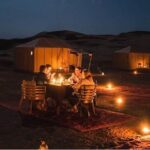
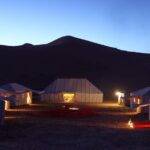
- Camel ride and Berber camp night at Erg Chebbi: stars, dinner, and cold realities
- Day 2 Rissani market and Todra Gorge: seeing rural Morocco up close
- Day 3 Ouarzazate and Ait Benhaddou: kasbah stops plus High Atlas views
- Price and value at about $160: what you’re paying for
- The driving day-factor: comfort, timing, and how to enjoy the van time
- What to pack for desert cold and long days (based on real guidance)
- Who this tour fits best (and who should consider something else)
- Should you book this Fez to Marrakech desert tour?
- FAQ
- How long is the Fez to Marrakech desert tour via Merzouga?
- Where does the tour start and end?
- Is the tour in a small group?
- What’s included in the price?
- Is there camel riding and overnight in the desert?
- What activities and stops happen along the way?
- Are lunch and drinks included?
- Are entrance fees included?
- What should I know about weather and cancellations?
Key takeaways before you go
- Door-to-door Fez pickup and Marrakech dropoff means less hassle than trains or self-driving.
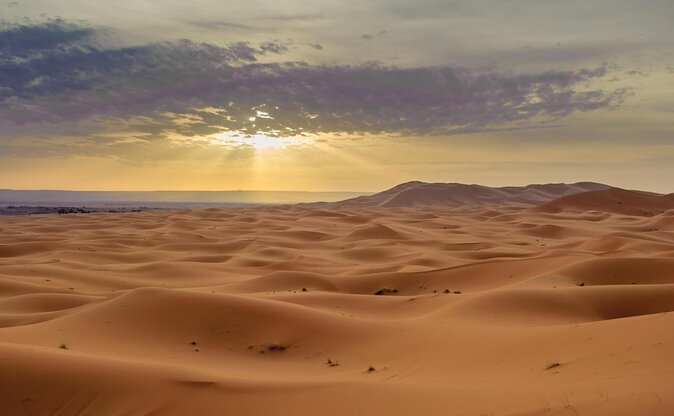
- Erg Chebbi camel ride at sunset is the highlight most people remember long after the drive.
- One Berber camp night gives you real desert pace, with dinner and early morning timing.
- Big scenery, smaller stops: expect lots of van time between Morocco’s top highlights.
- Sandboarding is included, but it may depend on timing once you arrive at the dunes.
- Cold-weather packing matters if you travel outside warm months.
From Fez to Ifrane and Azrou Cedar Forest: monkeys and a French-made pause
Most people start feeling the trip shift on Day 1, as soon as you leave Fez behind and head toward the Middle Atlas. You pass through Ifrane, a winter ski town built by the French in the 1930s, with a Swiss-style look that feels almost out of place in Morocco. It’s a quick change of scenery, but it helps you reset before the mountains start pulling you upward.
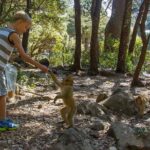
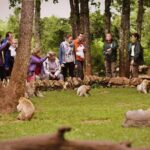
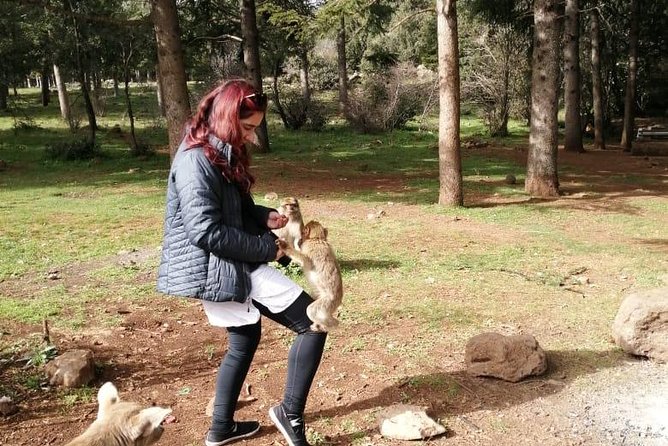
Then the drive continues into Azrou and the cedar forest area. This is one of those stops that feels simple on paper but works well in real life: you’re out in nature, and you can see the monkeys in their home environment. If you want a break from the constant “tourist eyes” routine, this is a good one. Also, since the stop is short, it doesn’t eat your whole day.
Why I like this part: it gives you an easy win early. You get contrast fast—city Morocco to mountain Morocco—without any technical logistics.
What to watch for: it’s still a road-trip day, so even if you love photos, you’ll be watching the clock.
You can also read our reviews of more tours and experiences in Fez.
Across the Middle Atlas to Merzouga: arriving at Erg Chebbi dunes
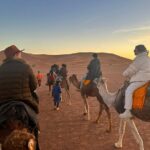
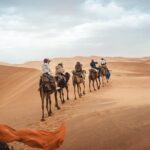
Day 1 moves from mountain stops toward Merzouga, and the atmosphere changes as you get closer to the Sahara. You’ll typically reach Merzouga in the afternoon, with time to freshen up and settle at the traditional kasbah area near the dunes. After a mint tea, the camels are usually ready, and that’s when the real desert feeling kicks in.
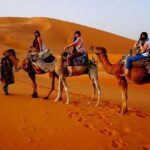
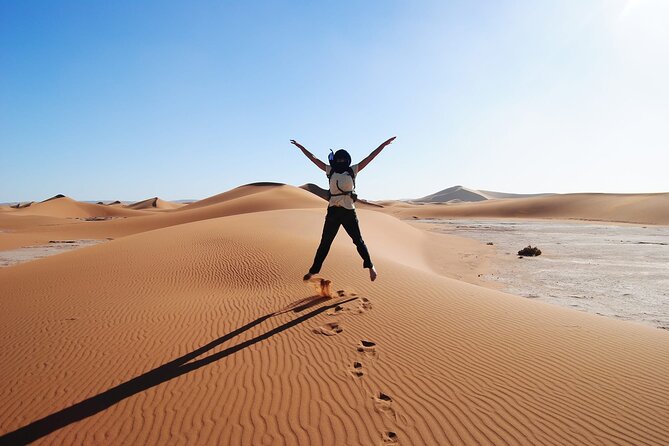
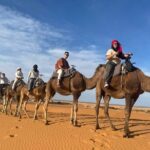
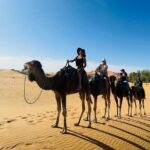
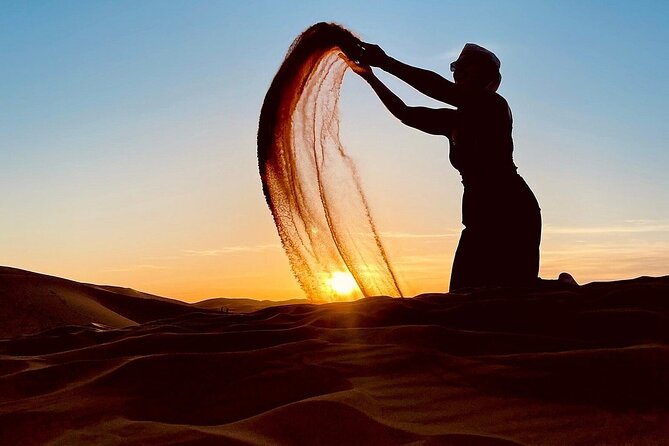
Erg Chebbi is the key dune system here, and it’s the one with that classic Sahara look—big orange shapes, dramatic shadows, and a horizon that makes you slow down. Your ride is designed around sunset. That timing matters. At the end of a long day of driving, the light does the work for you.
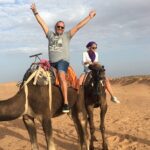
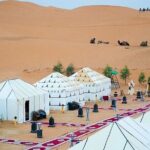
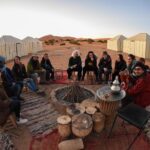
From the camel ride base, you go on over sand to reach the desert camp for the overnight. Your camels are hobbled, mint tea is served, and dinner comes before the stars.
Why it’s worth it: this isn’t just a “look at dunes” stop. The overnight and the sunset ride help you experience how desert time feels when you’re actually moving through it—camel tracks, silence, and the sky turning into its own show.
The practical catch: sunset-to-dinner-to-sleep happens on desert schedule, not city schedule. So even if everything runs smoothly, you’ll feel like you’ve lived two different days in 24 hours.
Camel ride and Berber camp night at Erg Chebbi: stars, dinner, and cold realities
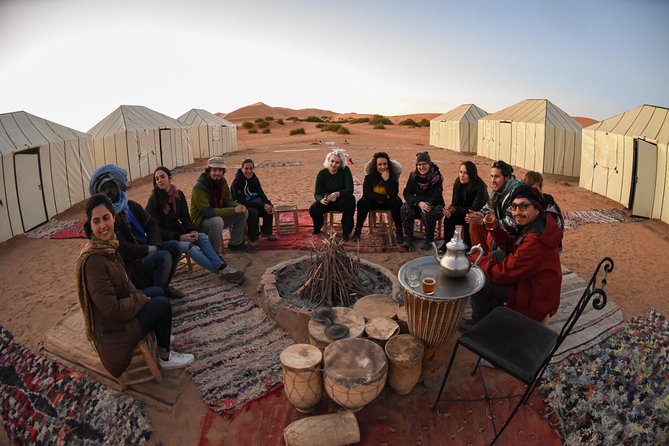
If you do one thing on this tour, it’s the camel ride at the dunes and the night in the Berber camp. That’s where the trip earns its reputation.
Dinner is included, and breakfast is included the next day. You can also expect tea at the camp area. Then comes the part you can’t fake: the sky after dark. A number of people describe really strong star moments, though it can vary by moonlight. If you travel near a full moon, you might see a moon more than a million stars, but the moon still looks stunning over dunes.
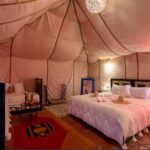
Now for the honest consideration: camp comfort can vary. Some travelers describe good “glamping” setups with private bathroom facilities, while others report primitive conditions—things like cold temperatures at night, no hot water, non-flushing toilets, and less-than-perfect cleanliness. That doesn’t mean your experience will be bad, but it does mean you should treat the camp as a cultural desert night, not a luxury hotel sleep.
My advice for the night portion
- Bring warm layers. Cold after sunset and early morning is common, especially in winter.
- Don’t assume a long list of amenities. Even when the camp is nicer, it’s still a desert camp.
- Plan your expectations around dinner, tea, the dunes, and the sky—not around spa comfort.
One small timing note: some people say sandboarding was not actually carried out during their visit even though it’s listed as included. If you care about sandboarding, ask early once you’re at the dunes (or when the group is briefing). Don’t wait until later and hope it works out.
Day 2 Rissani market and Todra Gorge: seeing rural Morocco up close
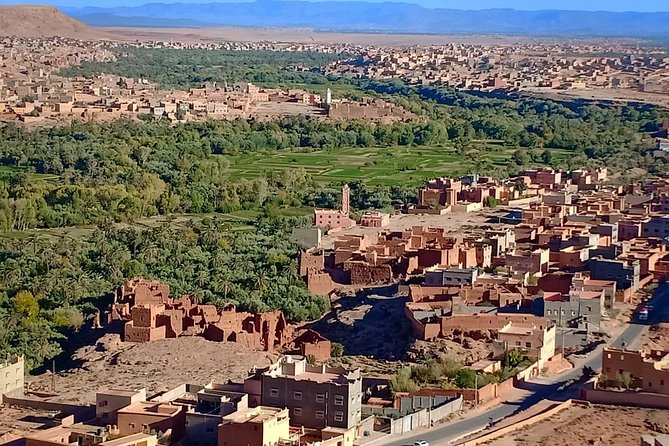
Day 2 starts with a quick visit to Rissani market. This stop works because it’s short but real: you’re on the Road of a Thousand Kasbahs, traveling through an ancient caravan-trading region where you can see those turreted shapes rising along the route. In the market area, you get a taste of local life—people selling, moving, talking—without turning the whole day into a museum tour.
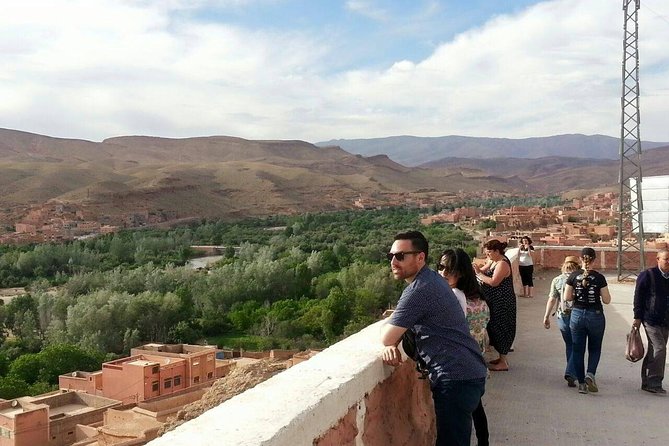
After that, you continue toward the Todra Gorge region. The setting is known for river valleys, palm areas, and mud-brick homes under wide open sky. You’ll stop for lunch, then take a walk in the Todra gorges area, with time to see the canyon walls and the way the valley squeezes and shapes the light.
Why this day feels different from Day 1
Day 1 is “big scenery plus desert magic.” Day 2 adds a human-scale side. You’re seeing how Moroccans live and trade in the countryside, and then you’re walking in a landscape shaped by water over time.
What to watch for
This tour keeps moving. You’ll likely feel like you’re constantly going from one highlight to the next. If you prefer slow travel, make peace with the road-trip rhythm.
Day 3 Ouarzazate and Ait Benhaddou: kasbah stops plus High Atlas views
On Day 3, you’ll head to Ouarzazate for a visit that typically includes Kasbah Taourirt and the Atlas Studio area. This is a useful contrast after the desert day before. Instead of dunes and stone silence, you’re in a town built around older architecture and film production history. Even if you’re not a movie buff, the kasbah shapes give you a strong sense of how Morocco’s building styles handle defense and climate.
Next comes Ait Benhaddou, the UNESCO World Heritage kasbah site. This is a major cultural stop, and it’s famous for being used as a filming location for major movies. On the ground, that translates into something practical: the place is visually dramatic, and it’s designed to be walked, photographed, and understood at your own pace.
Then you continue through the High Atlas and cross the Tizi-n-Tichka pass area, climbing up to about 2260 meters. This road portion can feel like a “reward drive.” You get big height changes and small village glimpses as you climb.
Why Day 3 matters
It connects the trip’s two sides: Sahara wonder plus Morocco’s historic architecture. Leaving the desert behind is easier when you finish with a place like Ait Benhaddou.
Price and value at about $160: what you’re paying for
At $160 per person, you’re buying a packaged blend of driving, guiding, and overnight stays—exactly the kind of value that matters on long-distance Morocco routes.
Here’s what makes it feel like more than a simple bus ride:
- Transport in an air-conditioned minivan/minibus with a professional driver
- 2 nights of accommodation (tent in the desert plus hotel)
- Camel ride across Erg Chebbi dunes
- Sandboarding is listed as included
- Dinner and breakfast (2 dinners, 2 breakfasts)
- Local guidance time around Rissani and Ait Benhaddou
What’s not included, and you should budget for it:
- Drinks and lunches
- Entrance fees (notably the Atlas Studio entrance is not included)
So the real “value math” is this: if you tried to piece together transport + desert overnight + camel ride on your own, you’d almost certainly spend more time and likely more money. The tradeoff is that you accept the group format and the road-trip schedule.
Also, the group size is capped at maximum 17 travelers, which usually helps keep the experience organized and manageable. Some tours feel crowded at bigger caps; this one stays smaller.
The driving day-factor: comfort, timing, and how to enjoy the van time
This tour is not light on hours in the vehicle. You’ll cover serious distance from Fez to Merzouga and onward to Marrakech. That means your comfort depends on two things: the van and your expectations.
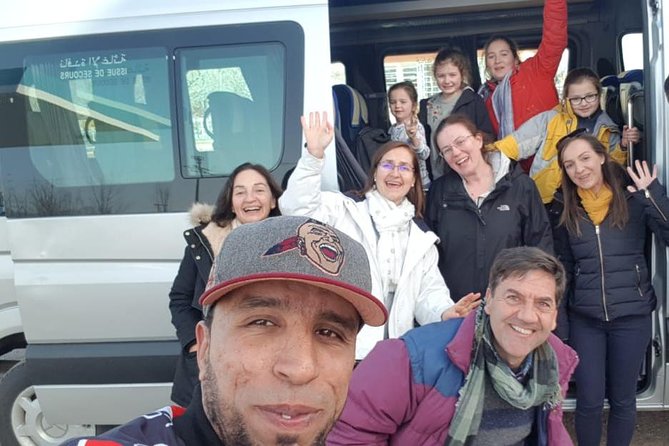
Good news first: the transport is climate-controlled, and multiple accounts describe drivers who keep things safe and moving. There are also mentions of drivers who handle last-mile details—making sure you get to your riad/hotel area in Marrakech even when medina streets complicate dropoff.
But it’s still windshield time. The best way to enjoy it is to treat the drive as part of Morocco, not wasted time. Look at the terrain. Pay attention to how architecture changes as you climb. And plan your electronics: you’ll want your phone camera ready for cedar forest, kasbah-road views, and pass angles near the High Atlas.
One practical note from real-world experience: bathroom stops are frequent enough that you won’t feel trapped, but the cadence varies with road conditions and group needs. Bring a calm attitude and you’ll get a smoother day.
What to pack for desert cold and long days (based on real guidance)
You’ll get the best experience if you pack for two extremes: mountain cool and desert cold.
From what people report after riding camels and sleeping in tents, the big one is warmth after sunset. In winter especially, evenings in the desert can feel brutally cold—cold enough that good sleep becomes a challenge if you only pack summer layers.
Bring:
- warm layers for night and early morning
- something you can use as extra protection in the wind at the dunes
- snacks you’ll be happy eating during long van hours (some people recommend this directly)
Also, plan around the fact that meals included are typically dinner and breakfast, while lunches and drinks are not. So you’ll want cash or a plan for those meals between highlights.
If you like adult drinks, there’s a common trick for newbie road-trippers: bring some with you, because it’s not a route where you should count on finding everything on demand.
Who this tour fits best (and who should consider something else)
This Fez-to-Marrakech desert tour fits you if:
- you want one true Sahara night without adding extra costs for high-end private upgrades
- you like a packed 3 days with real landmarks (Erg Chebbi, Todra Gorge, Ait Benhaddou)
- you’re okay with lots of driving as long as the stops are meaningful
- you travel with moderate physical comfort for walks (especially in Todra Gorge)
You might want a different style of tour if:
- you want maximum luxury at the overnight camp and can’t handle primitive conditions
- you hate cold-night camping, even with layers
- you dislike group pacing and would rather take fewer stops with more time at each one
Because the camp experience can vary, the biggest “fit” question is how you feel about sleeping in a tent in cold temperatures.
Should you book this Fez to Marrakech desert tour?
Yes—if you want the classic Morocco route with the right hits and you’re willing to treat the Berber camp as part of the adventure, not a hotel stay.
I’d book it when:
- you care most about sunset camel riding and that desert night moment
- you want a structured route from Fez to Marrakech without juggling transport
- you’re comfortable paying a reasonable amount for bundled transport + accommodations + meals
I’d hold off or ask extra questions first when:
- you need guaranteed camp comfort (some camps are reported as very basic)
- you care about sandboarding happening at your session—ask once you’re at the dunes
- you’re traveling in cooler months and don’t plan to pack warm gear
If you go in with realistic expectations—warm layers, snacks, and patience for the road—this tour can feel like one of the best “route experiences” you can do in Morocco.
FAQ
How long is the Fez to Marrakech desert tour via Merzouga?
It runs for approximately 3 days.
Where does the tour start and end?
You start with pickup at your hotel in Fez and finish with dropoff in Marrakech.
Is the tour in a small group?
Yes. The maximum group size is 17 travelers.
What’s included in the price?
Included features are transport in an air-conditioned minivan/minibus with a professional driver, 2 nights accommodation (tent and hotel), camel ride in the desert, sandboarding, local guide time in Rissani and Ait Benhaddou, and 2 dinners plus 2 breakfasts.
Is there camel riding and overnight in the desert?
Yes. You ride camels in the Erg Chebbi dunes area and spend one night in a Berber tent.
What activities and stops happen along the way?
You pass through places like Azrou Cedar Forest (with monkeys), Merzouga/Erg Chebbi dunes, Rissani market, Todra Gorge, Ouarzazate (including Kasbah Taourirt and Atlas Studio), and Ait Benhaddou.
Are lunch and drinks included?
No. Drinks and lunches are not included.
Are entrance fees included?
No. Entrance fees are not included, including the Atlas Studio entrance.
What should I know about weather and cancellations?
The experience requires good weather. Cancellation is free up to 24 hours in advance for a full refund.