REVIEW · FEZ
2 Day Luxury Desert Tour from Fes to Fes or Marrakech
Book on Viator →Operated by Desert Life Tours · Bookable on Viator
A switch from cool forests to Sahara sand is the point. This 2-day luxury desert tour out of Fez strings together mountain towns, cedar forests with Barbary macaques, and the big orange dunes of Erg Chebbi—with camel time at sunset and sunrise, plus an overnight desert camp.
I like two things a lot here: the travel comfort (you get an air-conditioned vehicle with pickup/drop-off) and the fact that the night is covered in a luxury desert camp experience, not a bare-bones stop.
One drawback to plan for: timing and communication can get fuzzy on long travel days if your driver and you don’t line up clearly. If you’re counting on smooth English all day, double-check that before you go.
In This Review
- Key highlights you’ll actually care about
- Morocco’s Road Trip to the Sahara, in Two Days
- Leaving Fez at 7:30 AM: why the early start matters
- Ifrane and the cedar forests: cool air, chalet streets, and macaques
- A small consideration
- Midelt and the mountain-to-desert transition near Rissani
- Erg Chebbi: what makes the dunes special (and how to enjoy them)
- Camel trekking: the real rhythm of the experience
- Desert camp night: luxury comforts with a very basic reality check
- What you can’t escape: heat
- The dinner and breakfast rhythm
- Sunrise in the Sahara: the best payoff, if you manage your sleep
- Merzouga back to Fez: the long drive with photo stops that break it up
- A real-world note on length
- Price and value: is $127.76 worth it?
- Who should book this (and who should skip it)
- Quick tips to make the ride less stressful
- Should you book this Fez-to-Sahara luxury tour?
- FAQ
- FAQ
- How long is the desert tour?
- What is included in the price?
- What is not included?
- When do you get picked up?
- What desert activities are included?
- Is cancellation free?
Key highlights you’ll actually care about
- Ifrane National Park stop in Morocco’s alpine-style town area, often called Morocco’s Switzerland
- Cedar forests of Azrou with Barbary macaques and a chance to pause for photos
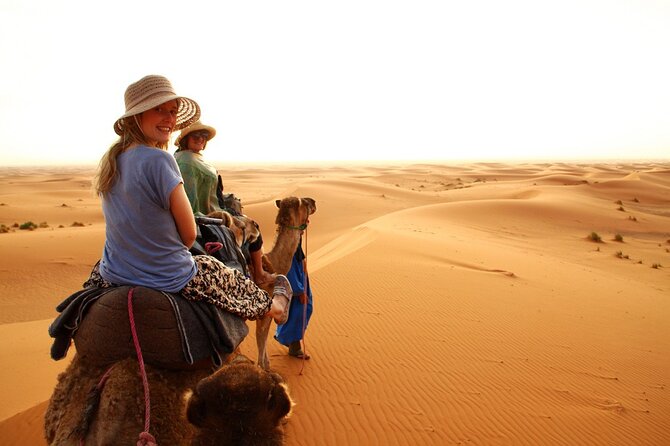
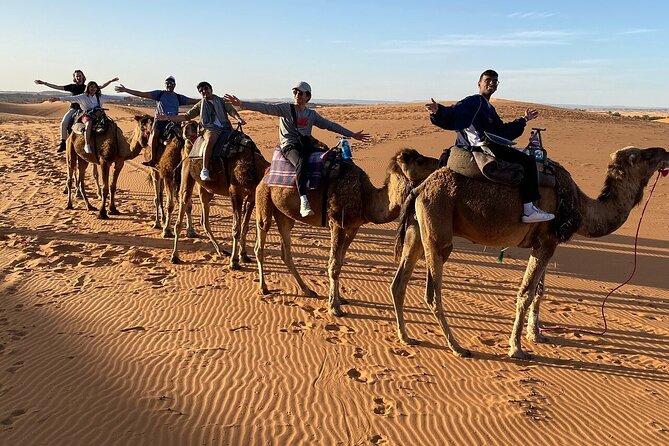
- Camel trekking in Erg Chebbi through the dunes, with sunset views built in
- Sunrise in the Sahara and a second camel ride back, so you get both bookends
- Berber drumming and campfire dancing under the desert sky (and yes, it’s part of the show)
- Max group size of 14 for a calmer pace than huge tour buses
Morocco’s Road Trip to the Sahara, in Two Days
This tour is for you if you want a real taste of the Sahara without spending a week on the road. In about two days, you’ll move from the Middle Atlas mountains down toward the edge of the desert, then spend the night in a camp where the dunes feel close enough to touch.
It’s also a good fit if you like structure. Long drives can be exhausting, but this itinerary builds in stops for views, comfort breaks, lunch timing, and photos. The day is long, yet you’re not just trapped in a seat from start to finish.
The group limit (up to 14) helps keep the vibe manageable. You’ll still feel like you’re doing a lot, but it’s not the same as herding people through checkpoints.
You can also read our reviews of more tours and experiences in Fez.

Leaving Fez at 7:30 AM: why the early start matters
You start with pickup around 7:30 AM from your hotel or riad. That early departure is the secret to getting daylight for the best scenery and still making it to Merzouga/Erg Chebbi in time for the camel and sunset portion.
From your perspective, this means you should treat the first day like a full transportation day that includes highlights. You’ll likely want a light breakfast plan before pickup, then keep small snacks handy (water too), even if meals are included later.
The tour uses either a private 4×4 vehicle or a minibus. Either way, having air-conditioning helps a lot when the heat kicks in farther south. And because pickup and drop-off are included, you’re not stressing about local taxis or timing your own transfers.
Ifrane and the cedar forests: cool air, chalet streets, and macaques
Your first big stop is the Ifrane area, tied to Morocco’s “Swiss” reputation. It’s known for alpine-style architecture and that cool-climate feel, especially compared to what comes later in the trip. This is the kind of place where your brain goes, Wait, I’m in Morocco—because the town vibe is so different from the rest of the country.
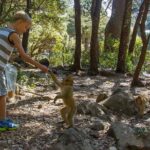
Then you head through cedar forests in the Middle Atlas mountains. These are the areas where Barbary macaques live. You’re not just passing by; you get time to stretch your legs and watch the monkeys at close range, with a real chance to see them during a pause in the drive.
There’s also a useful practical lesson here: it’s proof the route isn’t all desert scenery. You get a contrast day one—mountain air, forest shade, then the gradual shift toward arid regions.
A small consideration
Even when the itinerary sounds calm, you’re still in a long day. Wear layers for the early morning chill, then plan for the fact that you’ll warm up as you drop in elevation.
Midelt and the mountain-to-desert transition near Rissani
Midway through the drive, you reach Midelt for a lunch break. Midelt matters because it’s part of the gradual change in scenery and mood. It’s not a “destination” in the same way as Ifrane or the dunes, but it helps you reset before you push farther south.
After lunch, you head toward Rissani, which sits near the transition zone where the desert influence starts to feel real. Rissani is often used as a cultural marker on these routes—meaning you’ll feel the trip shifting from mountain travel toward desert life.
Then you’re still moving, so you’re collecting moments rather than staying long in any one town. That’s the trade-off of a 2-day format. You’ll see more in transit, but you’ll also accept that you won’t have an entire day to explore one city deeply.
Erg Chebbi: what makes the dunes special (and how to enjoy them)
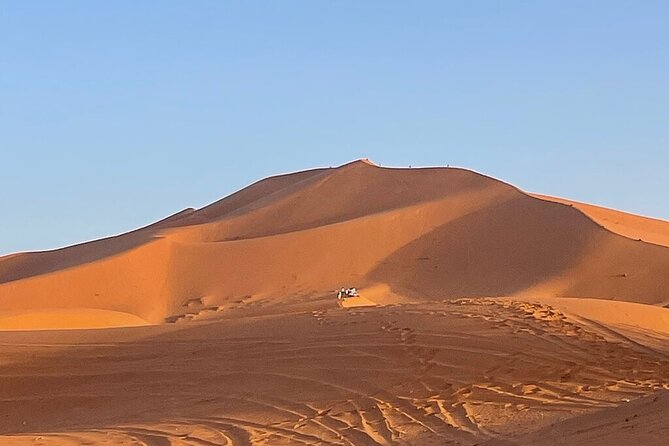
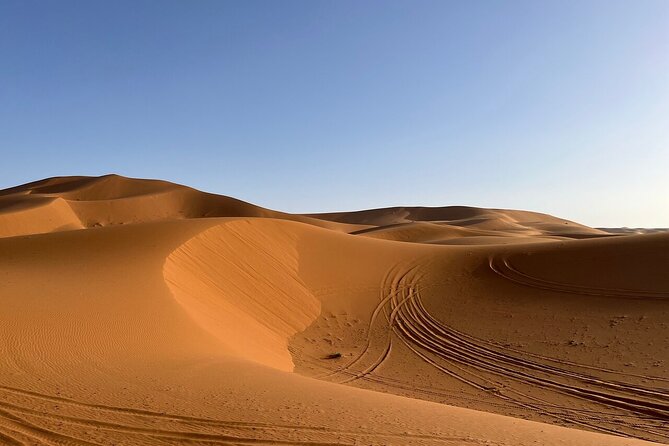
Erg Chebbi is the star moment, and it shows up suddenly. One drive through mountainous roads, then you look up and the sand dunes are suddenly right there, massive and close.
The dunes can reach high peaks, and you’ll feel the scale once you’re standing on the sand. This is the part where photos look like they do online, but they still don’t quite show how big it feels in person.
Camel trekking: the real rhythm of the experience
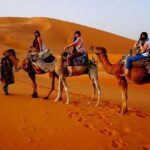
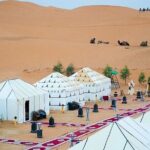
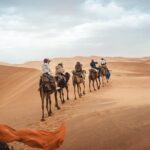
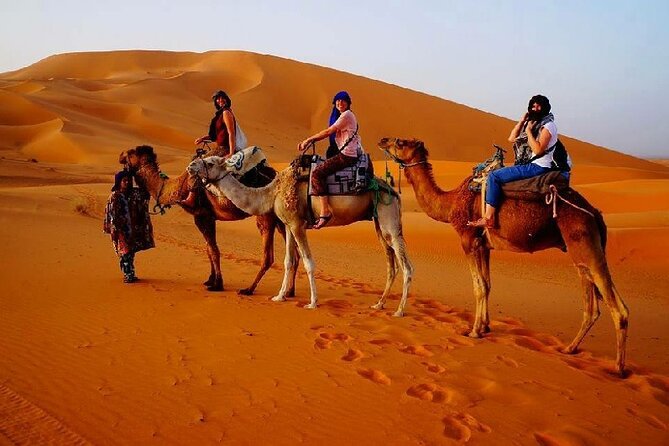
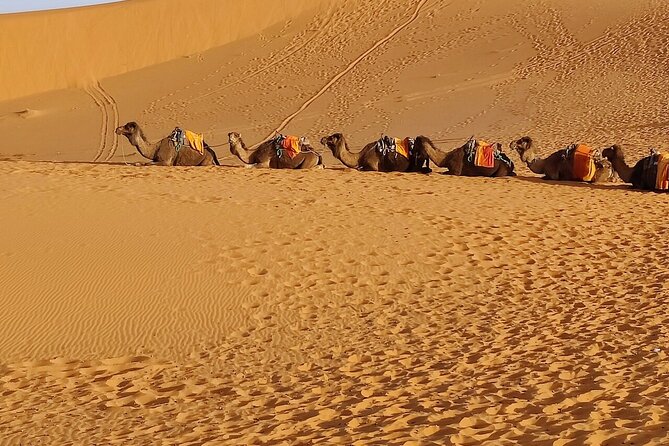
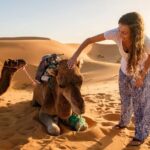
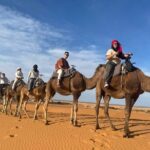
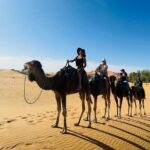
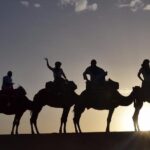
The tour includes a camel ride into the dunes leading toward a traditional Berber-style desert camp. You’ll also get sunset views from the dunes, which is the main reason to be there on this schedule.
You should go in with two mindset tips. First, you’re not on a quick “pose on a camel” stop. You’ll ride long enough for the dunes to matter. Second, the ride has a steady rhythm. Lean into it and treat it like a slow travel moment, not a ride at a theme park pace.
Desert camp night: luxury comforts with a very basic reality check
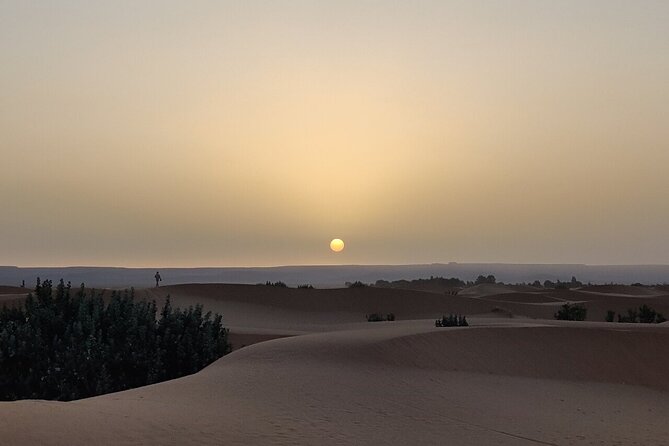
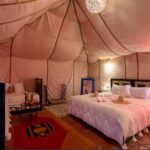
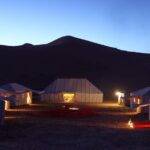
After the camel trekking, you reach camp for the overnight. The tour is sold as a luxury desert camp, and that usually means things like better bedding and more comfortable common areas than the simplest bivouac-style setups.
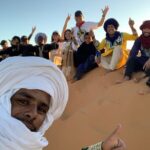
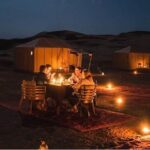
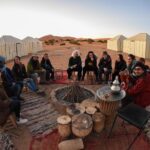
Then the night program kicks in: Berber drums, dancing around a campfire, and time under the desert sky. This is where the trip turns from “road trip” into “memory making.” If you’re the kind of traveler who likes atmosphere, this part is worth showing up for even if you’re tired.
What you can’t escape: heat
One practical thing came up in the feedback you shared: if you’re traveling in summer, heat can be intense. If your camp or room setup relies on cooling, ask what’s included (and whether air-conditioning is available). Comfort matters more when you’re returning after hours outdoors.
The dinner and breakfast rhythm
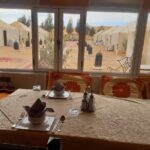
Dinner and breakfast are included, which helps keep the night easy. Still, keep an eye on what’s happening around you—when the music starts, when the meal is served, and when it makes sense to step out for the sky.
Sunrise in the Sahara: the best payoff, if you manage your sleep
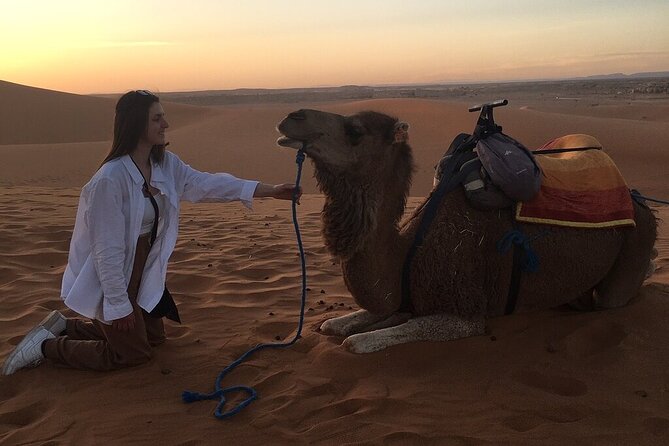
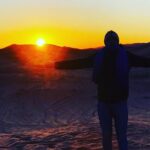
The second day starts with another early moment: you’ll see sunrise in the dunes. Then you ride the camels back to the hotel/camp area, shower, and eat breakfast before leaving Merzouga.
This sunrise portion is the payoff for the early start the day before. It’s also the part that makes the 2-day format feel like more than a transfer.
If you’re sensitive to early mornings or sleep disruption, plan ahead. Desert nights can be very memorable, but they can also be a bit restless depending on the camp setup. Bring patience, and keep your expectations realistic about a multi-part schedule.
Merzouga back to Fez: the long drive with photo stops that break it up
After sunrise and breakfast, you head back toward Fez. The route passes through towns including Rissani, Erfoud, Errachidia, and Midelt, with a lunch stop and chances for photos.
One included moment on the way back is a stop for pictures of wild monkeys in the cedar forests of Azrou. So you get the macaque experience twice across the two-day flow—great if you missed them earlier or want another look.
The day is about returning comfort and finishing strong. You’ll arrive in Fez and get taken to your riad or hotel, ending the service.
A real-world note on length
This is not a quick half-day excursion. You’re essentially doing an in-and-out Sahara crossing. If you dislike long road travel, you might find the day tiring. If you like seeing how quickly regions change, you’ll find the time passes faster.
Price and value: is $127.76 worth it?
At $127.76 per person, the value depends on what you would otherwise spend to recreate the same mix of experiences.
Here’s what’s covered:
- Pickup and drop-off from your accommodation
- Air-conditioned vehicle for the drive
- Breakfast and dinner
- Overnight stay in a luxury desert camp
- Admission ticket(s) tied to included stops (like the Ifrane National Park stop)
- Camel trekking and the sunset/sunrise desert program (as part of the camp flow)
What’s not included:
- Lunch
- Drinks
- Tips (optional, but common)
So the money is going to transportation plus one of the hardest parts to DIY: coordinating camel time, camp timing, and the desert night program in a way that still gets you back to Fez in two days. If you tried to piece it together yourself, you’d likely spend time negotiating, then still pay for transport, meals, and camp separately.
If you’re traveling solo, this price can feel especially fair because it bundles the logistics. If you’re traveling in a larger group and can arrange private transport cheaper, you might compare costs—but for most people this feels like a practical shortcut.
Who should book this (and who should skip it)
You’ll probably love this tour if:
- You want Sahara time without committing to multiple nights
- You like the contrast of mountains, forests, and dunes in a single trip
- You want comfort upgrades like an air-conditioned vehicle and a camp with a structured evening program
- You prefer a small-ish group (up to 14)
You might want a different option if:
- You hate early mornings and can’t handle a packed schedule
- You rely on fluent English and communication is a must for you all day—do a quick confirmation with the operator before you go
- You’re only interested in one “thing” (like just the dunes). This tour gives you many stops, not one long deep dive
Quick tips to make the ride less stressful
Long desert tours feel smooth when you prepare for the reality of the day.
- Plan for bathroom breaks proactively. On remote stretches, stops aren’t always predictable. If anything feels unclear, ask your driver early and repeat the plan in simple words.
- Bring a warm layer for early morning Ifrane and possibly for desert night comfort.
- Protect yourself for sun. Even if the first day feels cool, the Sahara part changes the weather fast. Hat and sunscreen are not optional.
- Pack small snacks even though dinner and breakfast are included. Lunch is not included, so you’ll appreciate easy backup options.
- Confirm your language comfort. The tour notes an English/Spanish-speaking driver, but for your peace of mind, make sure you can communicate about breaks and timing.
Should you book this Fez-to-Sahara luxury tour?
If your goal is a straightforward, high-comfort way to go from Fez to the edge of the Sahara and back in two days, I think this is a solid pick. The combination of Ifrane’s alpine vibe, cedar forest macaques, and Erg Chebbi camel trekking is hard to replicate on your own without a lot of coordination.
Book it if you’re okay with a full schedule and you want both sunset and sunrise in the dunes. Consider another option if you’re easily stressed by long drives or you need unusually detailed communication all day.
Overall, for the price, you’re paying for logistics done for you plus the one thing most DIY plans struggle with: a desert night that actually feels like part of the journey, not just an overnight pit stop.
FAQ
FAQ
How long is the desert tour?
The tour runs for about 2 days (approx.).
What is included in the price?
The price includes breakfast and dinner, an air-conditioned vehicle, pickup and drop-off from your location, and an overnight stay in a luxury desert camp.
What is not included?
Lunch and drinks are not included, and tips are optional.
When do you get picked up?
Pickup starts at 7:30 AM from your hotel or riad.
What desert activities are included?
You’ll enjoy a camel ride through the Erg Chebbi dunes with time for sunset, plus a sunrise experience in the dunes and a second camel ride back. The camp evening includes Berber drumming and dancing around a campfire.
Is cancellation free?
Yes. You can cancel for a full refund if you cancel at least 24 hours before the experience’s start time.