REVIEW · MARRAKECH
1 night Camel Treking in Merzouga Desert Luxury Camp
Book on Viator →Operated by Morocco Delighted Tours · Bookable on Viator
Merzouga turns the clock off, even when the plan is simple. This one-night camel trekking experience in the Erg Chebbi desert pairs a real caravan ride at sunset with a luxury camp night under the stars, plus dinner and Berber music. You get that classic Sahara feeling without signing up for a marathon trek.
I especially like the small-group size (up to 15), because your guide can actually keep an eye on the pacing and the whole vibe stays relaxed. I also like the comfort factor: your overnight stay is in a private tent with a bathroom, and reviews specifically call out hot water/showers.
The main thing to consider is that the desert area around Erg Chebbi is not “untouched wilderness.” You may see 4×4 tracks, power lines, or nearby structures around the dunes, depending on conditions and camp location.
In This Review
- Key Things I’d Put on Your Radar
- First Impressions: Merzouga Meets the Erg Chebbi
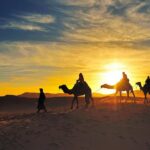
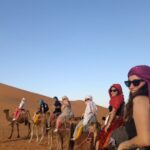
- The 4:00 pm Start and the Camel Caravan Ride
- What you should do before you go
- Sunset Break: Dunes, Photos, and Optional Sandboarding
- Camp Arrival: Mint Tea, Berber Drums, and the Starry Sky
- The luxury camp comfort check
- Dinner Night: Bedouin-Style Atmosphere
- Sleeping Under the Stars (and Why Warm Layers Matter)
- Sunrise Morning: What the Desert Looks Like in Quiet Light
- Getting Back to Merzouga and Ending the Experience
- Price and Value: What You’re Really Paying For
- How to Choose This Tour (Who It Fits Best)
- A Few Practical Tips That Make It Smoother
- When Weather Changes the Plan
- Should You Book This One-Night Merzouga Camel Luxury Camp?
- FAQ
- How long is the Merzouga camel trek with luxury camp?
- What’s included in the camel trek and desert camp?
- What does the tour cost?
- Where do we meet, and how does the tour end?
- Is sandboarding included?
- Do I need to pay extra for drinks or a jeep?
- What happens if weather is bad?
Key Things I’d Put on Your Radar
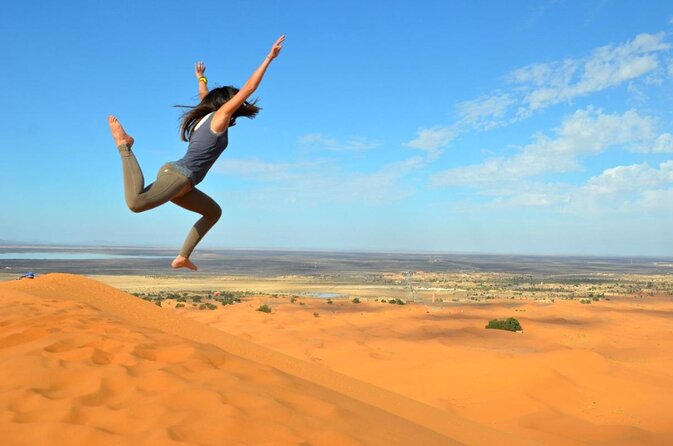
- Luxury tent with a real bathroom: Not just a bedroll—expect comfort meant for your post-camel reset.
- Sunset + sunrise timing: You’ll stop in the dunes for sunset and wake early for sunrise the next day.
- Mint tea welcome and Berber entertainment: Camp arrival includes tea, then Berber drumming, campfire time, and stargazing.
- Sandboarding option: There’s a break in the dunes where you can try sandboarding if you want.
- Camel ride guided by a local: You ride with a camel guide who helps keep things smooth on the trek.
- Price includes meals, not drinks: Dinner and breakfast are covered; drinks are not.
First Impressions: Merzouga Meets the Erg Chebbi
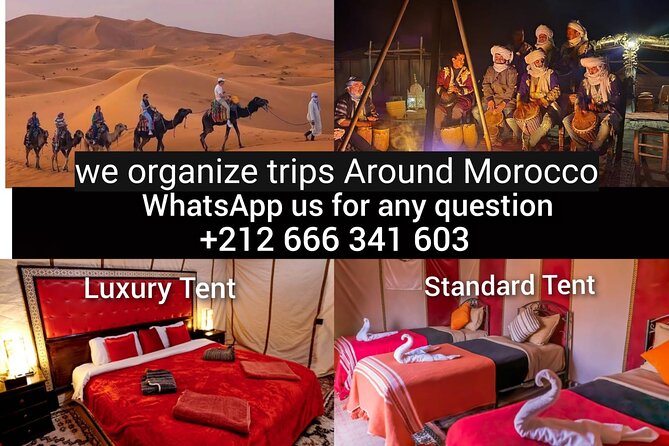
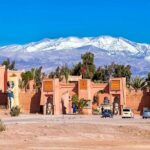
This tour is built for people who want the Sahara highlight—camel trek, sunset dunes, stargazing, then a comfortable night—without needing multiple days of travel. You start in/near Merzouga around 4:00 pm, then head out toward the desert camp by camel caravan. The whole rhythm is timed around light: late afternoon heading in, sunset in the dunes, then sunrise the next morning.
The base point is Merzouga (4232+HF Merzouga, Morocco). From there, you’ll join your camel caravan departure and get your pacing set by your guide. In practice, you might also see a short ride from where you’re staying to the camel staging area (some people report a quick car transfer in Merzouga before mounting).
Group size matters here. The tour is listed as small-group, with a maximum of 15 guests, and that often translates into fewer logistics headaches: you’re less likely to feel like a number, and it’s easier for the guide to keep everyone together during the camel ride.
You can also read our reviews of more tours and experiences in Marrakech.
The 4:00 pm Start and the Camel Caravan Ride
At 4:00 pm, you meet at the designated meeting point in Merzouga and then get escorted to where the camel caravan departs. Your ride into the dunes is about 1 hour 30 minutes (give or take depending on your specific moment and the group flow).
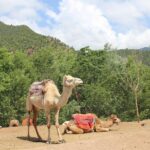
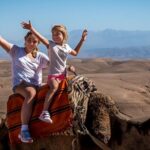
This is a key part of the experience. On camel you don’t just “travel”—you settle into a slower pace. You’ll feel the desert’s scale right away: sandy footing, shifting light, and the quiet that builds as you move away from town.
A quick reality check before you mount: camel riding can be a bit uncomfortable if you’re not used to it. Some people find it mildly painful at first. If you’ve ridden before, you’ll likely be fine. If you haven’t, plan to take it easy at the start and be ready for a sore spot later—then treat your camp shower/bathroom as a reward.
What you should do before you go
Bring something that makes you comfortable for sunset-to-night:
- a light warm layer for after dark (it cools down fast once the sun drops)
- something for your head/eyes (sun gets intense, even late)
- closed-toe footwear you don’t mind getting dusty
Sunset Break: Dunes, Photos, and Optional Sandboarding
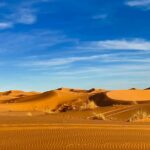
Once you’re out in the dune area, the plan includes a stop in the middle of the dunes to watch the sunset over Erg Chebbi. This is where the Sahara goes from scenic to memorable. Light turns the sand golden, shadows stretch hard, and the whole desert feels like one long open space.
During this break, you can take pictures and enjoy the scenery. There’s also a mention of sandboarding if you’re interested. If you’re curious, this is your chance—don’t wait until later because the schedule moves on after sunset.
One practical tip: keep an eye on timing with the group. Sunset moments are fantastic, but you don’t want to linger so long that your caravan and camp arrival get rushed. Your guide will steer the flow, and following that pace is part of the “relaxed” feel people praise.
Camp Arrival: Mint Tea, Berber Drums, and the Starry Sky
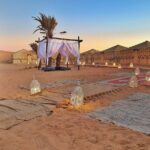
After the sun goes down, the camel trek continues to the desert camp. When you arrive, you’re welcomed with a glass of mint tea, which is simple and smart: it warms you up emotionally and physically after time in the wind and sand.
Then comes the camp rhythm:
- Berber music (including traditional drum music)
- campfire time
- time to enjoy the starry desert sky
This is the part that turns the trek into an evening story you’ll remember. It’s not just “sleep in a tent.” You’re given a social and cultural thread through dinner and music.
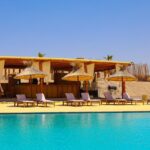
The luxury camp comfort check
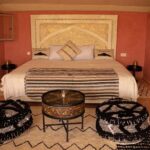
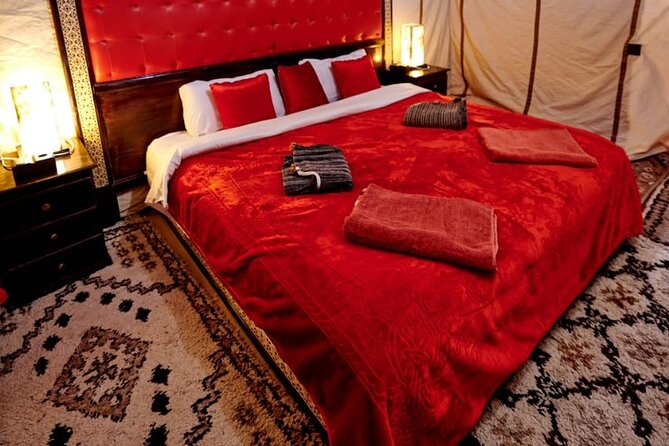
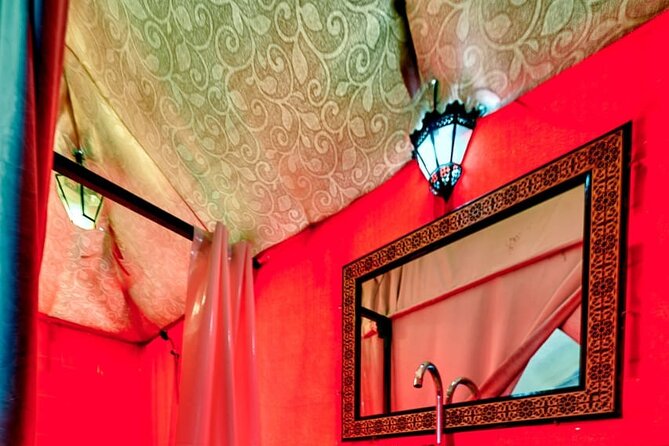
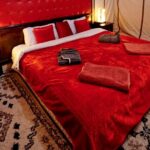
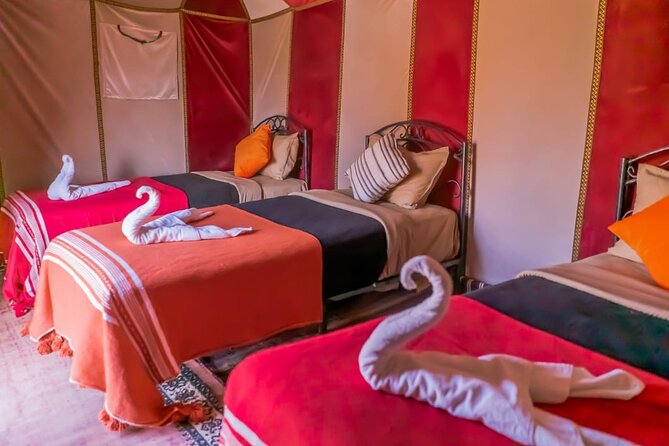
Your overnight stay is in a private tent with a bathroom. Reviews specifically highlight showers/hot water, which matters more than people expect. After sand and camel riding, having hot water and a proper wash area is the difference between “fine” and “ah, that’s why we paid for the luxury camp.”
Some guests also note that camp setup can vary by tent category/level. One person mentions staying in a tent that wasn’t the highest level. Translation: you may not get every imaginable upgrade if the camp has different tiers, but the consistent theme is comfort compared with basic desert camps.
Dinner Night: Bedouin-Style Atmosphere
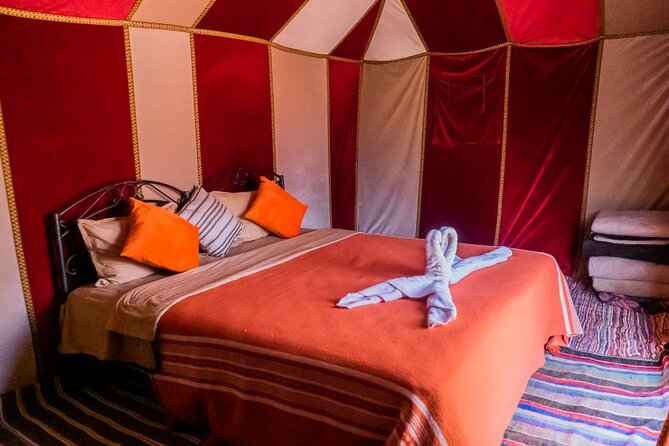
Dinner is included, and it’s served at camp. The tour description also points to typical Berber meal style, and reviews mention dishes like tajine. Expect an evening meal that feels connected to the desert rather than like a tourist buffet.
A balanced note from the experience: a couple of people describe the dinner/breakfast as uneven or that some parts weren’t as strong as expected (while still being acceptable). That doesn’t mean the meal is bad. It usually means portions, timing, or variety can swing a bit camp-to-camp.
If you have strong dietary needs, I’d plan to eat light before you leave Merzouga and bring a snack just in case. The core value here isn’t gourmet precision—it’s the setting, the heat-to-cold night experience, and the cultural entertainment.
Sleeping Under the Stars (and Why Warm Layers Matter)
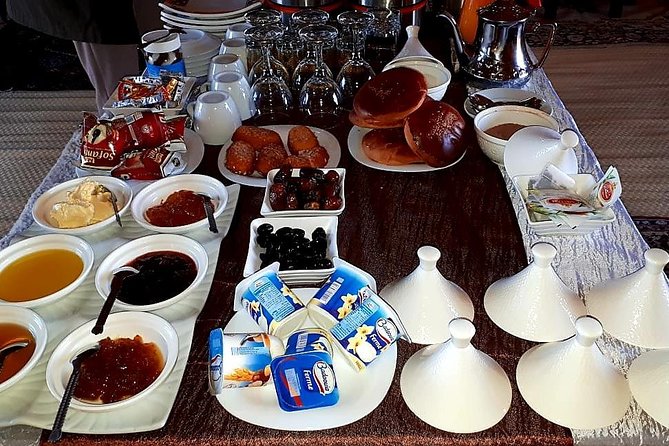
After dinner and music, you’ll spend the night in the desert camp. The tour calls it glamping, and that’s accurate in the “comfort-forward” sense: you’re not sleeping in the cold dark with zero facilities.
Still, temperature drops quickly after sunset. Reviews mention it getting cold fast, even if it felt hot earlier in the day. So even if your tent is comfortable, pack for cool night air:
- a warm layer you can wear in bed
- something light for your feet
And yes—you’ll likely spend some time simply looking up. Erg Chebbi nights can feel impossibly clear.
Sunrise Morning: What the Desert Looks Like in Quiet Light
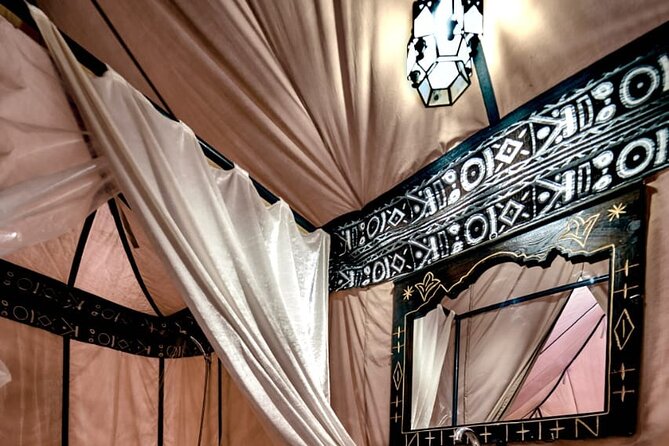
The next day starts early. You’ll wake up for sunrise, which is one of the best ways to see the dunes because the color shift is gentler and less “dramatic” than sunset—but more peaceful.
After sunrise, you’ll have breakfast at the camp, then head back toward Merzouga. The camel portion of the next day is essentially your return leg, and the tour ends back at the meeting point.
This is where the “one night” structure works well. You’re not doing the desert on your own schedule for two full days—you’re getting the key visual moments (sunset, sunrise) and a comfortable camp night, then moving on.
Getting Back to Merzouga and Ending the Experience
After breakfast, the group leaves the dunes and returns to Merzouga. The tour ends back at the meeting point.
This return can include a vehicle transfer depending on where your exact camel route and camp are located. Reviews mention that when weather turned windy or sandstorm conditions happened, there was flexibility in getting people to the exit point using a jeep/vehicle. The general detail to know: jeep is not included in the basic listing, but you might be transported in certain weather scenarios to keep things safe and practical.
For many people, this is how you protect the experience: you don’t “tough it out” when conditions aren’t right.
Price and Value: What You’re Really Paying For
The price is listed at $98.87 per person for this one-night desert camel trek with a luxury camp. At first glance, it’s not a “cheap” add-on. But here’s where the value starts stacking:
You get:
- camel riding for each person
- a camel guide
- dinner and breakfast
- a private tent with a bathroom
- coffee/tea
- Berber music and campfire/starry-sky evening time
- a small-group setup (max 15)
You don’t get:
- drinks
- a jeep (unless weather/conditions require a practical route out, and that can be handled case-by-case)
So what are you paying for? Not just the camel. You’re paying for the package logic: timed sunset/sunrise moments, organized camp meal service, and actual overnight comfort. For most people, that’s the “worth it” part.
If you were tempted to DIY a desert camp with basic tents, this is the difference: you trade independent control for reduced stress and more comfort once you’re in the dunes.
How to Choose This Tour (Who It Fits Best)
This is a strong match if you want:
- the classic Sahara scene in one night
- a comfortable base (private tent, bathroom, hot water/showers)
- cultural atmosphere through Berber music around the campfire
- a small-group experience where your guide can keep the pace calm
You might want to think twice if:
- you expect perfectly untouched wilderness with zero modern presence
- you’re highly sensitive to meal variability (a small number of people describe uneven dinner/breakfast)
- you have mobility concerns for camel riding (camel discomfort is a repeated theme)
A Few Practical Tips That Make It Smoother
These are the small things that turn a good desert day into a great one:
- Dress in layers. Hot during the day, cold at night, and wind can change the feeling fast.
- Keep cash/ID handy in case you need it for any on-the-ground adjustments.
- Bring motion-friendly patience if you’re not used to camel riding. The ride gets easier once you settle into the rhythm.
- Ask about meal options if you have dietary restrictions. The basic info confirms included meals, but it doesn’t list special menus.
- Plan your expectations for the desert setting. Some parts of the Erg Chebbi region include visible tracks and structures. That doesn’t ruin the dunes, but it shapes the “wildness” level.
When Weather Changes the Plan
This experience requires good weather. If it’s canceled due to poor weather, you’ll be offered a different date or a full refund. There are also mentions of being able to postpone when conditions like sandstorms show up.
That’s a good sign. Desert trips live and die by conditions, and being willing to adjust is better than forcing an unsafe route.
Should You Book This One-Night Merzouga Camel Luxury Camp?
Yes—if your priority is a well-run, comfort-focused Sahara night with real sunset and sunrise timing, this is one of the better ways to do it.
I’d book it if you:
- want luxury camp comfort (private tent + bathroom, hot water/showers)
- value a small group (max 15) with a camel guide who can manage the ride
- like the idea of a full evening: mint tea, Berber drums, campfire, dinner, then stargazing
I’d pause before booking if you:
- want absolute wilderness silence with zero modern elements visible
- are expecting the food to be consistently gourmet in every aspect (some reviews mention unevenness)
- don’t handle camel riding well physically
If you’re the “I want the desert highlight but I also want a shower and a warm bed” type of traveler, this one fits your style.
FAQ
How long is the Merzouga camel trek with luxury camp?
It’s described as an approx. 1-day experience: you start around 4:00 pm, ride to the camp for the overnight stay, then wake early for sunrise, have breakfast, and return to Merzouga.
What’s included in the camel trek and desert camp?
Camel riding for each person, a camel guide, breakfast, dinner, coffee and/or tea, and an overnight stay in a private luxury tent with a bathroom.
What does the tour cost?
The price is listed as $98.87 per person.
Where do we meet, and how does the tour end?
You meet at 4232+HF Merzouga, Morocco. The tour ends back at the same meeting point.
Is sandboarding included?
Sandboarding is mentioned as something you can do during a break in the dunes if you’re interested, but it’s not clearly listed as a guaranteed included activity.
Do I need to pay extra for drinks or a jeep?
Drinks are not included. Jeep is also listed as not included, though transport may be arranged if weather conditions require it.
What happens if weather is bad?
The experience requires good weather. If it’s canceled due to poor weather, you’ll be offered a different date or a full refund.