REVIEW · GRANADA
Premium Scenic Daytrip to Alpujarra Villages from Granada (Max 8)
Book on Viator →Operated by Discovering Spain · Bookable on Viator
One day in the Alpujarra rewires how you see Granada. You ride out in a comfortable van with a guide who reads the villages like a story, then you walk through classic towns such as Capileira and Pampaneira with mountain-view stops along the way. The best part for me is the small size (max 8) plus real time to ask questions, not just be herded.
Two things I especially like: the day is built around specific viewpoints and short guided walks, so you get photos and context without feeling stuck on a bus all day. And the history angle is practical—Moorish-era architecture, house layouts, and how the valley shaped daily life. One thing to think about: the villages sit high, and the mountain air can feel chilly and windy, so you’ll want layers, and you should be ready for some time in winding roads.
If you book this, I’d treat it as your rural-Alpujarra immersion day from Granada. In guides, names that come up again and again include Gonzalo and Carlos, both praised for careful pacing and strong English (with the usual note that Spanish may still pop up in bilingual moments).
In This Review
- Key highlights that make this day trip work
- Why the Alpujarra feels like a different world from Granada
- The small-group van day: max 8 people, long roads, good timing
- Stop 1: Puente Nazari de Tablate and the story of a “front door”
- Lanjaron: the City of Water break before the higher villages
- Capileira: the highest village and where the viewpoints pay off
- Pampaneira: jarapa shopping time and lunch on your terms
- Fuente Agria: taste the iron-rich sparkling spring
- The Moorish architecture angle: what the guide helps you notice
- Price and value: is $139.13 a fair deal?
- Things to watch: weather, language mix, and seats in the van
- Who should book this Alpujarra tour (and who might skip it)
- Should you book this Alpujarra day trip?
- FAQ
- How long is the Alpujarra day trip from Granada?
- What time does the tour start and where do I meet?
- What’s the group size?
- Which places are included on the route?
- Is lunch included?
- Are museum or indoor attraction tickets included?
- What language is the tour offered in?
- What should I bring?
Key highlights that make this day trip work
- Max 8 guests means you actually talk with your guide during village stops and viewpoints
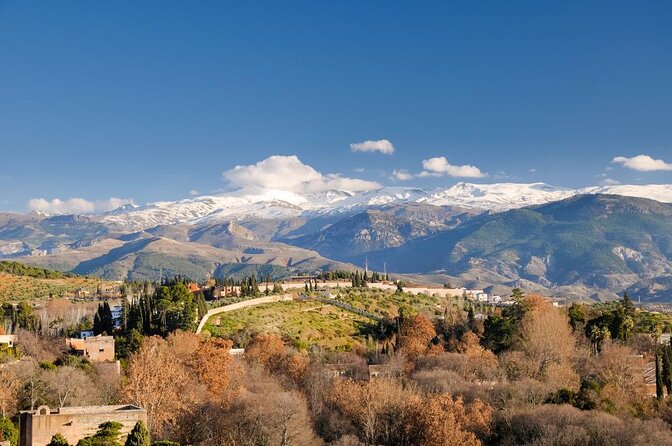
- Capileira’s high vantage points give you big Sierra Nevada views (and brag-worthy photos)
- Pampaneira downtime includes time to browse local jarapa textile shops at your own pace
- Moorish-style village storytelling focuses on how homes and streets fit the terrain
- Fuente Agria stop lets you taste sparkling, iron-rich water—quick, local, and different
- Guides add “real life” details in the moment, from craft demonstrations to personal local connections
Why the Alpujarra feels like a different world from Granada
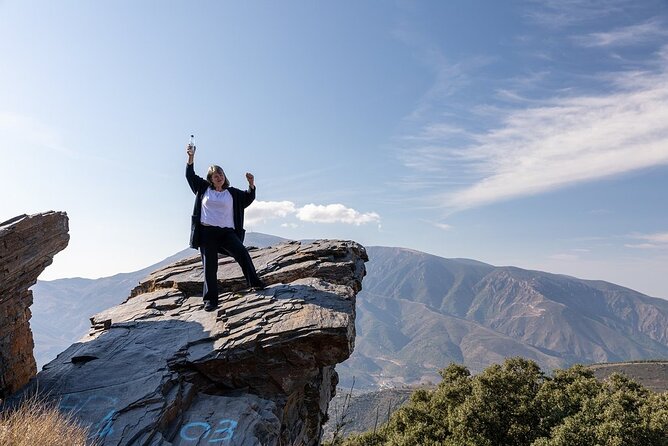
Granada is all domes and ceramics inside the city. Then this trip sends you into the hills where the architecture changes and the pace slows. You’re heading into the Alpujarra villages—whitewashed hamlets tucked into valleys below the Sierra Nevada. The vibe is rural Andalusia, but with a strong Moorish legacy you can spot in street patterns and house construction.
What makes this day feel worth it is that the time isn’t just “see places.” You get a guided explanation while you’re standing there. That’s the difference between checking a box and actually understanding why Capileira sits where it does, or why streets can feel so labyrinth-like.
You can also read our reviews of more tours and experiences in Granada.
The small-group van day: max 8 people, long roads, good timing
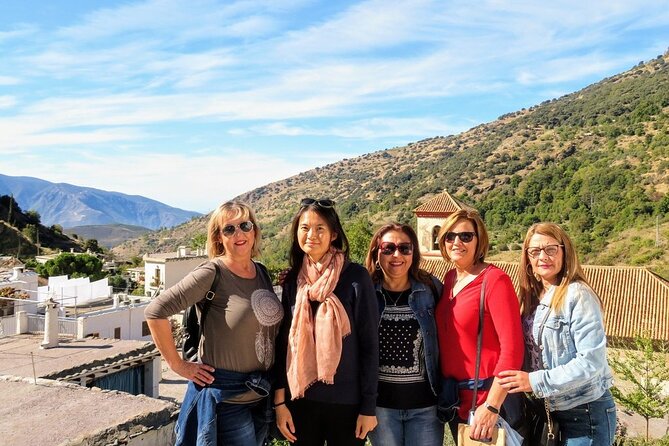
This is an 8-hour style outing that starts at 9:00am and returns to the same meeting point in central Granada. You travel by comfortable van with a maximum of 8 guests, which matters more than you think. With a larger bus, your day becomes a series of quick sprints. With eight people, you can slow down in the villages, regroup easily, and actually hear the guide’s points without craning your neck.
A few review details line up with that. People describe guides who adjust the pace, including making sure everyone can handle the walking time. One family even mentioned the guide working well with a 7-year-old. So if you’re the type who likes to understand what you’re seeing rather than race to the next stop, the small group format fits.
Still, keep expectations realistic: you’re in and out of the van multiple times, and the mountain roads are winding. Bring water. Wear shoes you can trust on uneven village streets. And pack layers, especially if the weather turns—high villages can feel colder than Granada.
Stop 1: Puente Nazari de Tablate and the story of a “front door”
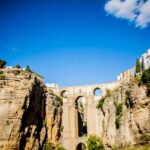
The day begins with a scenic stop at Puente Nazari de Tablate. Think gorge and bridge, with a quick explanation of how this passage mattered for access to Granada during different conflicts. It’s not a long visit—plan on about 30 minutes for views, a few photos, and a short walk to take it in.
Here’s why I like this start: it sets the tone. You’re not jumping straight into the prettiest village postcard. You’re learning how people moved through the valley and why these places had strategic importance. It’s a “this is why it mattered” moment before you get the “wow, look at this” part.
Lanjaron: the City of Water break before the higher villages
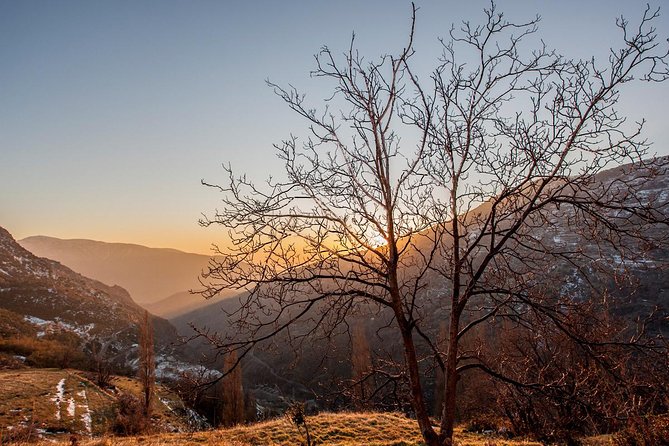
Next up is Lanjaron, often called the City of Water. You get about 30 minutes here, which is just enough to reset your energy and get a feel for a more historic town atmosphere before you go deeper into the valley.
This stop is also practical. It helps break up the day so you’re not arriving at Capileira already tired. If you like a calmer rhythm—stretch your legs, grab a drink of water, and let your eyes adjust to the valley—this quick pause does the job.
Capileira: the highest village and where the viewpoints pay off
Capileira is the highest of the three main Alpujarra villages. You’ll spend around 2 hours here, and that time is the heart of the trip.
The big reason to come: the views. From higher points you can look over the Poqueira gorge, and on clear days people mention seeing Mulhacén peak in the distance. Even if the day is hazy, Capileira still delivers that dramatic “we’re up here” feeling.
What to watch for: wind. More than one person flagged that the villages can be chilly and windy. So yes, put on a jacket. And if you’re sensitive to cold, bring something warm enough for an outdoor viewpoint walk. This isn’t the kind of stop where you can just wander in a T-shirt and assume it’ll be fine.
Also, if you’re concerned about walking comfort, this is where your good shoes earn their keep. The walking is part of the deal, but guides have a track record of keeping things manageable for people.

Pampaneira: jarapa shopping time and lunch on your terms
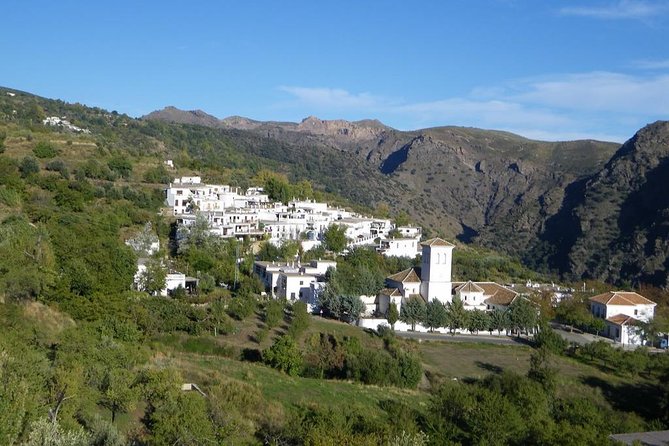
After Capileira comes Pampaneira, often described as the most colorful and picturesque of the three main villages. You’ll get about 2 hours here too, and that time includes free time to explore.
The practical treasure in Pampaneira is the chance to browse jarapa textile shops. Jarapa is the local woven textile tradition, and it’s the kind of souvenir that actually makes sense in context. You’re not buying a random magnet; you’re seeing a craft language that fits the region.
You’ll also have time for lunch here. Lunch itself is not included, but the schedule gives you breathing room to choose a place that looks good to you. If you’re hungry in a hurry, you’ll still have time. If you like to sit and watch village life go by, you’ll have the minutes to do that too.
One more tip: treat this stop like your chance to slow down. Capileira is about altitude. Pampaneira is about strolling streets and letting your eyes catch up.
Fuente Agria: taste the iron-rich sparkling spring
On the way back, you’ll stop at Fuente Agria. It’s a short 30-minute stop and it’s especially interesting because the access is limited to small vehicles—so you’re not just parking in a tourist lot and calling it a day.
This is where you can taste the famous spring water. People describe it as naturally sparkling and iron-rich. Even if you’re not a “try everything” person, this is one of the most memorable quick detours on the route because it’s sensory and instantly local.
The Moorish architecture angle: what the guide helps you notice
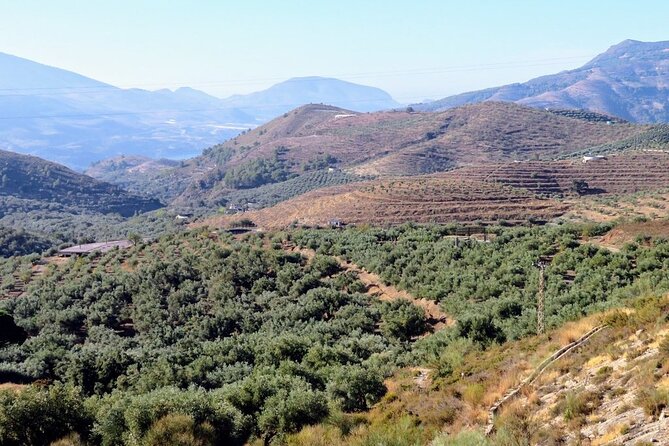
The history isn’t presented as trivia. It’s connected to what you’re physically looking at. Guides focus on Moorish architecture and how village design reflects the terrain—how homes are built, how streets work, and why the Alpujarra’s geography shaped daily life.
In several accounts, the standout part wasn’t just the scenic stops. It was the explanation of building methods and the reasons behind what the streets look like they do. If you’ve ever felt like Spain’s history pages were too abstract, this style hits better. You learn by walking.
And yes, the guides do more than point at buildings. Some add small, human details—like meeting locals or seeing traditional craft work connected to village life. That personal touch is often what separates a good day trip from a great one.
Price and value: is $139.13 a fair deal?
At $139.13 per person, you’re paying for more than a ride. You’re getting:
- Premium transport in a comfortable van (max 8 guests)
- Guided village walks in the main towns
- A local specialist narration tied to Moorish history and village architecture
- Stops at best panoramic viewpoints
- Insurance coverage
If you tried to DIY this with taxis and frequent road changes, you’d spend time negotiating and coordinating instead of seeing the right places in a smooth order. And you’d miss the “why this bridge mattered” kind of context that makes the day click.
The one cost you should plan for is lunch. Food and beverages are not included, and monument or indoor site tickets aren’t included either. So I treat the base price as “transport + guides + key stops,” then I budget for a meal and any optional entry fees.
Also consider risk management. Mountain roads are not the place where you want to be stressed about timing. This tour’s structure reduces that headache.
Things to watch: weather, language mix, and seats in the van
This is the fair part of the review. A few practical issues can affect your day:
1) Mountain weather can turn.
Bring layers. One traveler specifically advised that the villages can be chilly and windy. Even if Granada looks mild, the hills can feel different.
2) Language can be bilingual.
The tour is offered in English, but you may still hear Spanish during narration since it’s described as bilingual. If you need English-only communication, keep that in mind and be ready to ask questions if anything is unclear.
3) Your seat choice can affect comfort and views.
There was a complaint about a passenger being placed in a back seat with an obstructed view and limited ability to hear, which made the day feel more like an expensive taxi ride. This won’t happen to everyone, but it’s worth thinking about. If you care a lot about legroom, hearing the guide well, or photo angles through the windows, ask about seating options when you meet the group.
Who should book this Alpujarra tour (and who might skip it)
I think this is a great fit for you if:
- You want a rural day outside Granada without renting a car
- You like guided history connected to what you’re actually seeing
- You’re excited by Moorish architecture and how villages are shaped by terrain
- You prefer small groups and easier conversation
You might want to choose something else if:
- You hate walking at least a bit on uneven village streets
- You need strict English-only interpretation with no Spanish at all
- You’re extremely budget-sensitive since lunch isn’t included and the base price isn’t cheap
Should you book this Alpujarra day trip?
If your ideal Granada day includes mountain viewpoints, charming villages like Capileira and Pampaneira, and a guide who explains the Moorish-era legacy while you’re there, I say book it. This tour’s strongest value is the small-group feel plus the way it turns scenery into understanding.
My decision tip is simple: if you’re the kind of person who likes learning by walking, you’ll leave with more than photos. And if you’re flexible—layers packed, comfortable shoes on, and lunch money ready—you’ll have a smooth, memorable Alpujarra day.
FAQ
How long is the Alpujarra day trip from Granada?
It runs for about 8 hours.
What time does the tour start and where do I meet?
The tour starts at 9:00am. The meeting point is Discovering Spain – Alhambra Tours Excursiones, Pl. de las Descalzas 3, Centro, 18009 Granada.
What’s the group size?
The group is limited to a maximum of 8 travelers.
Which places are included on the route?
You visit Puente Nazari de Tablate, Lanjaron, Capileira, Pampaneira, and Fuente Agria, with mountain viewpoint stops along the way.
Is lunch included?
No. Lunch and beverages are not included, though you’ll have time to choose your own lunch.
Are museum or indoor attraction tickets included?
No. Monument access tickets for museums or indoor sites are not included.
What language is the tour offered in?
The tour is offered in English, and it can be bilingual in practice.
What should I bring?
Bring comfortable clothes, suitable footwear, and water. Layers are a smart idea for the mountain villages.