REVIEW · PAGE ARIZONA
Page: Upper Antelope Canyon Prime Time Entry & Navajo Guide.
Book on GetYourGuide →Operated by VIP Tour Corporation · Bookable on GetYourGuide
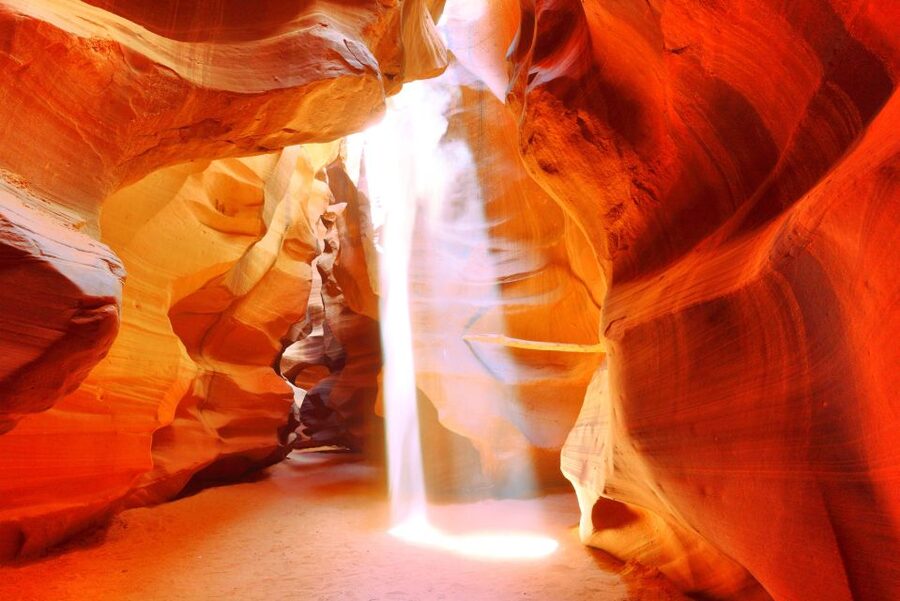
Slot canyons are the definition of wow. Upper Antelope Canyon is a short walk with big rewards, led by a local Navajo guide who ties the rocks to the people and to the land. I also love how they help with photos along the way, so you’re not stuck shouting directions at your own camera. One thing to plan for: the carry-in rules are strict, so if you show up with a bunch of gear, you’ll be rerouting your bag situation fast.
You’ll meet at Tse Bighanilini Tours, ride in a van (the dust control is a real plus), then spend about an hour inside the canyon. Expect a guided pace that works for most people walking comfortably, with a bit more effort near the end during the sandy climb back up.
In This Review
- Key things I’d prioritize before you go
- Upper Antelope Canyon Prime Time: the real point of the tour
- From check-in at Tse Bighanilini Tours to the canyon entrance
- The guided walking tour inside Upper Antelope Canyon
- Photo help: how the guide improves your odds (without hogging time)
- Prime Time vs regular entry: how to choose based on your day
- Timing and Arizona time: don’t miss your slot
- The walk back out: the part people underestimate
- Price, permits, and what value really means here
- Packing checklist: rules that can ruin your day if you ignore them
- Who should book this tour (and who should skip it)
- Should you book Upper Antelope Canyon Prime Time Entry?
- FAQ
- How long is the Upper Antelope Canyon Prime Time tour?
- Where do I meet for the tour?
- What is included in the price?
- Is there an extra Navajo permit fee?
- How big are the groups?
- What language is the tour guide?
- What time should I arrive for check-in?
- Is the tour wheelchair or handicap accessible?
- What items are not allowed inside the canyon?
- Are there restrictions on what shoes I can wear?
- How does the tour time relate to Pacific time?
Key things I’d prioritize before you go
- Small group size (10 max) means the guide can actually guide, not just lecture over you
- Navajo guide storytelling connects geology and daily life in a way that feels grounded, not staged
- Photo coaching is built into the walk, and guides will help you angle your shots without blocking everyone else
- Prime time vs regular entry lets you pick an entry window that fits your schedule and priorities
- Strict no-bag rules inside the canyon shape what you can bring, so pack light on purpose
Upper Antelope Canyon Prime Time: the real point of the tour
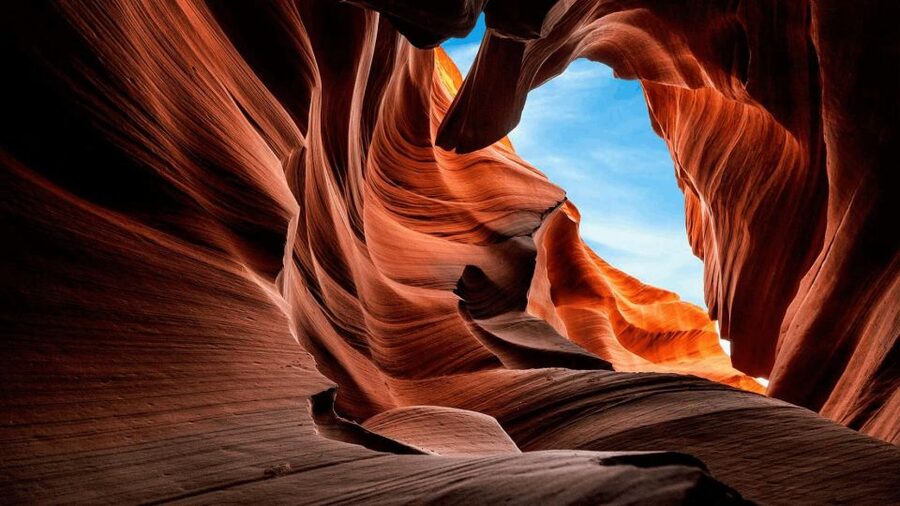
This is a guided slot-canyon walk that mixes three things you’d otherwise try to juggle: getting to the canyon smoothly, learning what you’re seeing, and walking away with usable photos.
At $95 per person, the price is mostly paying for two things: the canyon entry ticket and a guide’s time inside the canyon. On top of that, many tours charge extra for access permits—this one does too—so I like doing the math early (more on that below). The payoff is that you’re not just wandering around. You’re moving through the canyon with someone who can explain formations while you’re standing right there to look.
Also, the canyon experience is only about one hour of walking, even though the total tour time runs about 90 minutes. That balance is smart. You get the key time inside without spending your whole day in transit.
A final quick reality check: this tour isn’t for everyone. The rules say it is not wheelchair/handicap accessible and it’s not suitable for people with mobility impairments, pregnancy, or heart problems. If any of those apply, it’s better to choose a different format.
You can also read our reviews of more tours and experiences in Page Arizona.
From check-in at Tse Bighanilini Tours to the canyon entrance
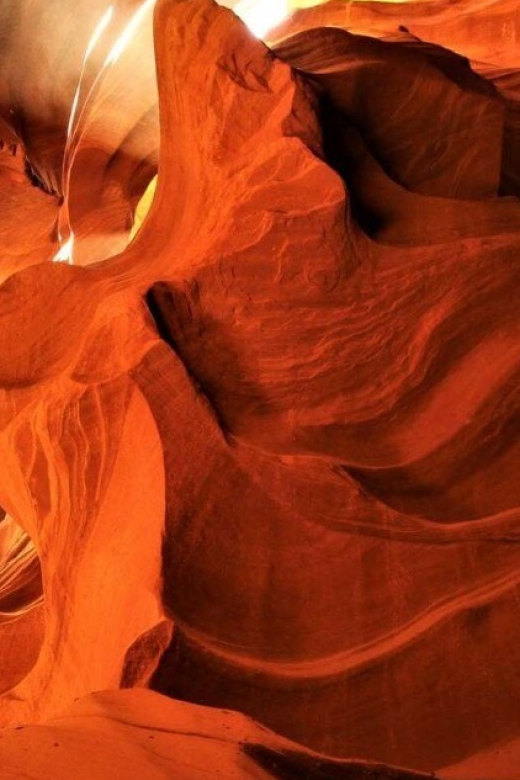
Your tour starts at Tse Bighanilini Tours (free parking is included). Plan to arrive with breathing room—check-in closes 45 minutes before departure, and if you miss the cutoff, tickets can be forfeited with no refund.
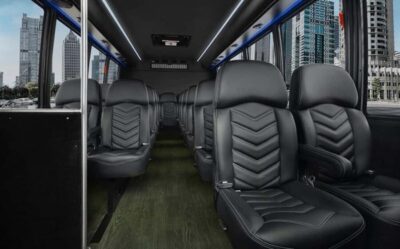
From there, you’ll head to the canyon entrance. The tour includes transportation to the canyon area and then a shuttle/transfer to the canyon entrance point. In plain terms: you’re not driving yourself into a dusty, confusing situation in the desert. You’re getting dropped close enough to start the walk without turning it into a second project.
A lot of people also seem to like the comfort side of the ride. The canyon itself is cool and shaded compared with outside temps, and the drive is part of the overall experience—especially when you’d rather not ride in the back of an open vehicle and then try to brush sand off your clothes.
Practical tip: check what you’re wearing before you leave your hotel. Shoes matter. You can’t bring open-toed shoes, sandals, or high heels, and you’ll want something that grips on uneven paths.
The guided walking tour inside Upper Antelope Canyon
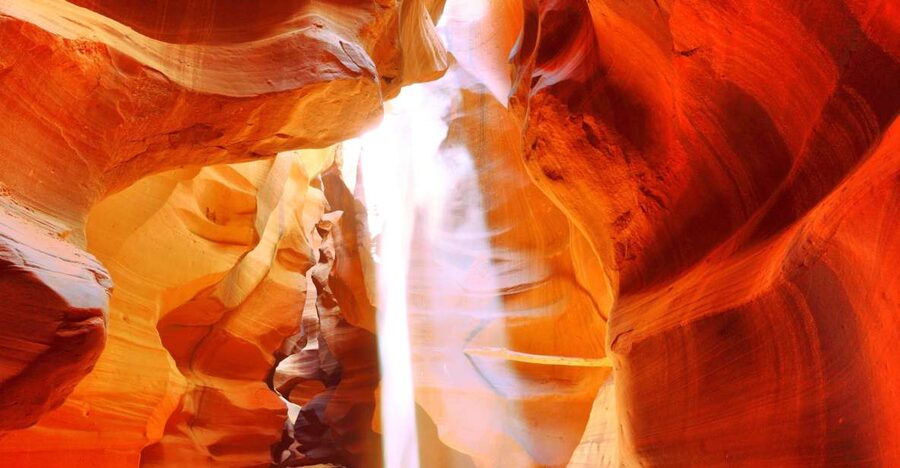
Once you’re in, the walk is guided and intentional. You’ll move through Upper Antelope Canyon with a Navajo local guide who shares stories about the area’s culture, geography, and the formation of the canyon rocks.
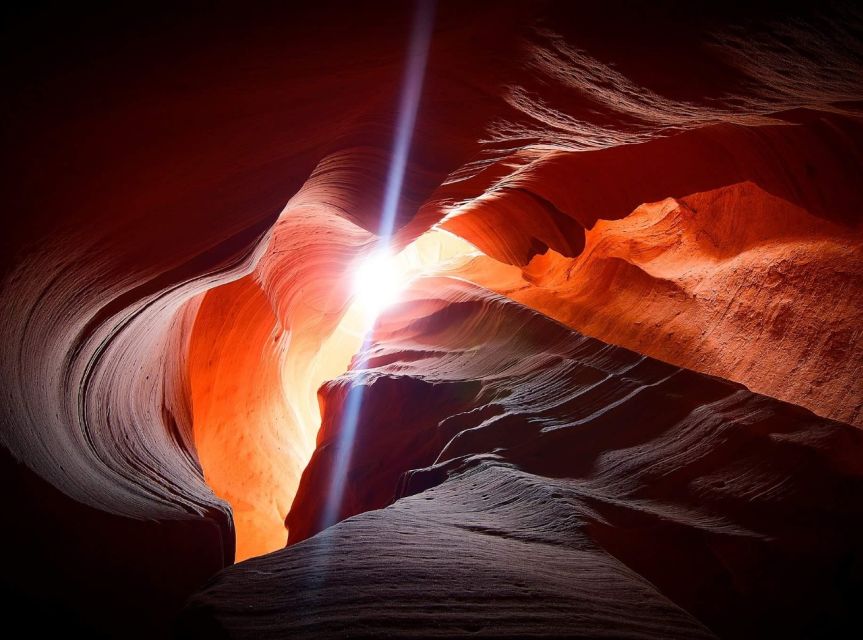
This is where the tour earns its keep. Slot canyons can look like abstract art from a distance—beautiful, but also easy to misunderstand. A good guide turns the shapes into something you can read: erosion patterns, how the rock layers behave, and how the canyon’s features form over long timescales. The result is that you’re not just photographing walls. You’re learning how the canyon is put together.
You also get guidance on pacing. The walk is described as an easy walking experience, but don’t confuse that with zero effort. The canyon path still includes sand, and the return includes changes in surface.
From the guide names people mention, you may hear different styles:
- Guides like Keanu, Ro, Lillian, Lionel, Leeland, Bernice, Amar, Mario, and Amara are all referenced in past experiences, and the consistent theme is that they teach while they help with photos.
If you get a guide like these, you’ll likely get a mix of history, rock formation explanations, and practical camera positioning.
Photo help: how the guide improves your odds (without hogging time)
One of the most repeated perks is the photo assistance. Many guides take photos of your group at key spots, and some even help set up phones so you’re not guessing angles inside low-light canyon walls. People also mention that the guide helps with timing and finding better viewpoints—so you’re not only stuck with whatever shot you can grab while the group moves.
Here’s the practical side of those photo rules:
Allowed and prohibited items affect what you can carry into the canyon:
- No selfie sticks
- No tripods
- No umbrellas
- No GoPros, action cameras, or camcorders
- No bags of any kind inside
That strict setup is why the guide’s positioning matters. Instead of you wrestling with gear, the guide keeps you moving to locations where your phone camera can work well.
My advice: treat it like a guided photo walk, not a free-for-all. Follow the guide’s instructions so you don’t end up blocking other people trying to get their shots.
Also, wear layers. One guide note from a summer experience said the canyon ran about 15 degrees cooler than outside, which is exactly what you want after a hot drive.
Prime Time vs regular entry: how to choose based on your day
You can choose between regular and prime time admission options, with the tour running in the general 90-minute block.
The data doesn’t give a detailed breakdown of what prime time specifically means in terms of sunbeams or exact lighting mechanics, so I won’t pretend I know the minute-by-minute physics. But prime time is usually the choice people make when they really care about getting the most dramatic canyon look during your visit window.
Here’s how you should decide anyway:
- If your schedule is tight and you only have one shot at Antelope Canyon, lean toward prime time
- If you’re flexible and want to match the entry window to your broader travel plans, regular can be easier to slot in
Also remember: canyon timing is affected by seasonal time changes relative to Pacific time. If you’re thinking in LA time, plan around the rule of the calendar below.
Timing and Arizona time: don’t miss your slot
The tour runs on Arizona time (Phoenix, Mountain standard time zone). That matters because time zones shift.
- Nov 2, 2025 to Mar 8, 2026 (winter time): Antelope Canyon time is 1 hour ahead of Pacific time
- Mar 9, 2026 2:00 AM to Nov 22, 2026 2:00 AM (summer time): Antelope Canyon time is the same as Pacific time
This is the kind of detail that prevents a bad day. Double-check your booking time against Arizona time, especially if you’re coordinating rides or flights across the US.
The walk back out: the part people underestimate
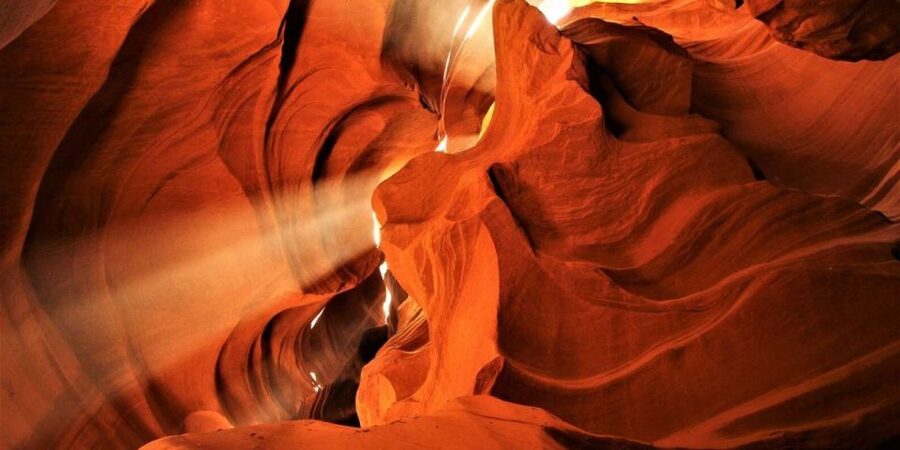
Inside, the canyon walk is straightforward. The thing to know is the ending. At the end, there’s a sandy hill to walk up, plus stairs and ramps on the way back to the van/shuttle area.
That’s why the tour is not recommended for people with mobility impairments and why it’s not wheelchair accessible.
Bring shoes that can handle uneven surfaces and give your knees a break by going slower than you think you need. If you tend to stride, you’ll end up hurrying on the return—don’t. This is the time to move carefully and let the group pace you.
Price, permits, and what value really means here
The listed price is $95 per person, but there’s an important extra: a Navajo permit fee of $15+tax (listed as $16.05) per person.
So your rough total comes to about $111.05 per person once that fee is added.
What you get for that money:
- Upper Antelope Canyon entrance ticket
- Walking tour (about 75 minutes)
- A local Navajo guide
- Free parking
What you don’t get:
- The Navajo permit fee (add it in early)
- Any gear upgrades like tripods or allowed action cameras (they’re not allowed anyway)
- Anything that would turn the tour into a private experience (this is a small group, max 10)
Is it worth it? If you want the canyon and also want someone to explain it and help you get photos without turning the visit into chaos, I think yes. The guide’s work is the difference between seeing a pretty gorge and understanding why the place looks the way it does.
But if you’re the type who loves to explore alone with no structured pacing, this kind of guided slot canyon tour is less your style. In that case, consider a different approach that fits your pace and photo preferences.
Packing checklist: rules that can ruin your day if you ignore them
If you want the smoothest experience, pack like a minimalist.
Bring:
- Passport or ID card
- Comfortable shoes (no sandals, no open toes)
- Comfortable clothes
Do not bring:
- Smoking
- Selfie sticks
- Tripods
- Umbrellas
- Bags or backpacks (including fanny packs, hydration bags, crossbody/messenger bags, purses)
- No GoPros/action cameras/camcorders
- Firearms or weapons
- Hiking sticks or canes
- Pets or service animals
One detail I’d take seriously: people report that you can only take in very limited items, and staff enforce the carry-in policy at check-in. If you want to avoid scrambling, travel with as little as possible and be ready to leave noncompliant items where they tell you.
Who should book this tour (and who should skip it)
This tour is a great fit if you:
- Want a guided walk through a bucket-list canyon
- Value photo help and clear direction on where to stand
- Prefer a small group (up to 10)
- Like stories that connect rocks to people and place
It’s a poor fit if you:
- Use a wheelchair or need wheelchair/handicap accessible routing (it’s not accessible)
- Have significant mobility limits
- Are pregnant
- Have heart problems
- Want to bring tripods, selfie sticks, or bags into the canyon (you can’t)
Also, the rules say pets and service animals are not permitted on the tour.
Should you book Upper Antelope Canyon Prime Time Entry?
Book it if you want a straightforward, high-payoff canyon experience: about an hour in the canyon, a Navajo guide who teaches as you walk, and photo assistance so you don’t leave with 12 blurry shots and one decent thumbprint.
Skip it if you know you won’t handle the canyon walk realities at the end (sandy hill plus stairs/ramps), or if you need a more flexible or accessible setup.
If you book, do two things that make the whole day better: arrive early for check-in so you don’t flirt with the cutoff, and plan your clothing and carry-in gear around the no-bag, no-tripod rules. Then show up ready to look closely—you’ll notice more than you think once someone points it out.
FAQ
How long is the Upper Antelope Canyon Prime Time tour?
The tour runs about 90 minutes total. The guided walking time is approximately 75 minutes, with extra time for transport and check-in.
Where do I meet for the tour?
You meet at Tse Bighanilini Tours. Free parking is included.
What is included in the price?
Included are the Upper Antelope Canyon entrance ticket, a guided walking tour (about 75 minutes), a local Navajo guide, and free parking.
Is there an extra Navajo permit fee?
Yes. There is a Navajo permit fee of $15+tax (listed as $16.05) per person, which is not included in the base price.
How big are the groups?
This is a small group limited to 10 participants.
What language is the tour guide?
The live tour guide provides the tour in English.
What time should I arrive for check-in?
Plan to arrive about an hour before tour departure. Check-in closes 45 minutes before departure, and tickets can be forfeited with no refund if you are not checked in at least 45 minutes before tour time.
Is the tour wheelchair or handicap accessible?
No. The tour is not wheelchair or handicap accessible.
What items are not allowed inside the canyon?
You can’t bring selfie sticks, tripods, umbrellas, bags/backpacks, GoPros/action cameras/camcorders, or hiking sticks/canes. Pets and service animals are also not permitted.
Are there restrictions on what shoes I can wear?
Yes. No open-toed shoes, sandals, or high heels are allowed. Comfortable closed-toe shoes are required.
How does the tour time relate to Pacific time?
Antelope Canyon uses Arizona time (Phoenix). From Nov 2, 2025–Mar 8, 2026, it’s 1 hour ahead of Pacific time. From Mar 9, 2026 2:00 AM–Nov 22, 2026 2:00 AM, it matches Pacific time.