REVIEW · NAPLES
Naples: Premium Pizza Class From Dough to Dessert & Wine
Book on GetYourGuide →Operated by Timonfaya Travel Lanzarote · Bookable on GetYourGuide
Pizza here is a skill, not just a meal. In a World Champion Neapolitan pizzeria, you’ll make the dough from only water, flour, salt, and yeast, bake a Margherita, and finish with a sweet dough dessert.
What I like most is the hands-on setup: you get your own workstation, so you’re kneading, shaping, and topping, not just watching. Second, the class centers on real technique—like staglio for portioning into panetti—so the learning sticks.
The main consideration: the class is taught in Italian and English, so if you strongly prefer one language, you might find the back-and-forth a little challenging at times.
In This Review
- Quick highlights to plan around
- A World Champion Pizzeria, not a demo kitchen
- From four ingredients to Neapolitan dough you can stretch
- Staglio and panetti: where the real technique lives
- Toppings and pizza identity: San Marzano, buffalo mozzarella, basil
- Wood-fired oven baking and your Margherita’s moment
- Sweet finish: fried dough bites plus a proper Neapolitan liqueur
- Price and value of a $70, 2 to 3 hour class
- Who should take this class (and who should choose something else)
- Tips to make your pizza-making evening easier
- Should you book this Naples Premium Pizza Class
- FAQ
- How long is the Naples pizza class?
- What does the class cost?
- What will I make and eat during the experience?
- What drinks are included?
- What languages are used by the instructor?
- Is there an age limit for kids?
- Is free cancellation available?
Quick highlights to plan around
- World Champion pizzeria: you learn at a site tied to the 2017 pizza title.
- You work from dough to dessert using the same foundational dough.
- Personal workstation means you’re doing the steps, not sharing space.
- Wood-fired oven baking is part of the experience, not just the finale.
- Wine or beer plus limoncello makes it feel like a proper Neapolitan meal.
A World Champion Pizzeria, not a demo kitchen
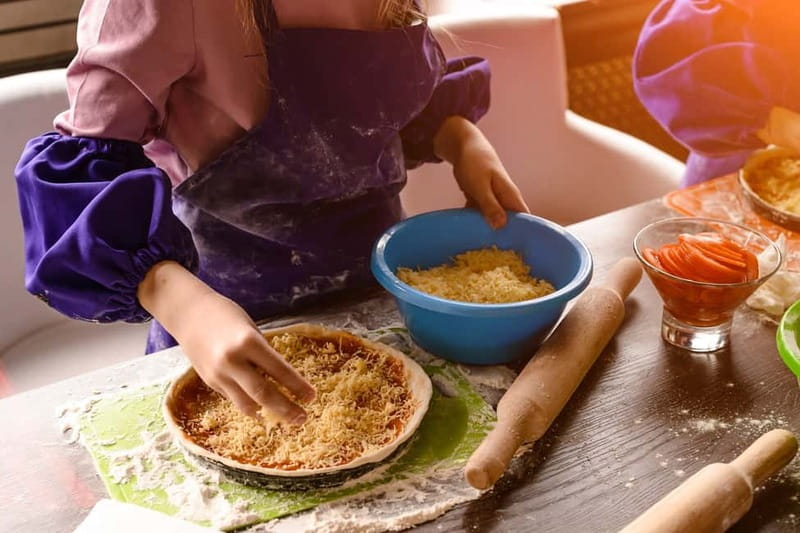
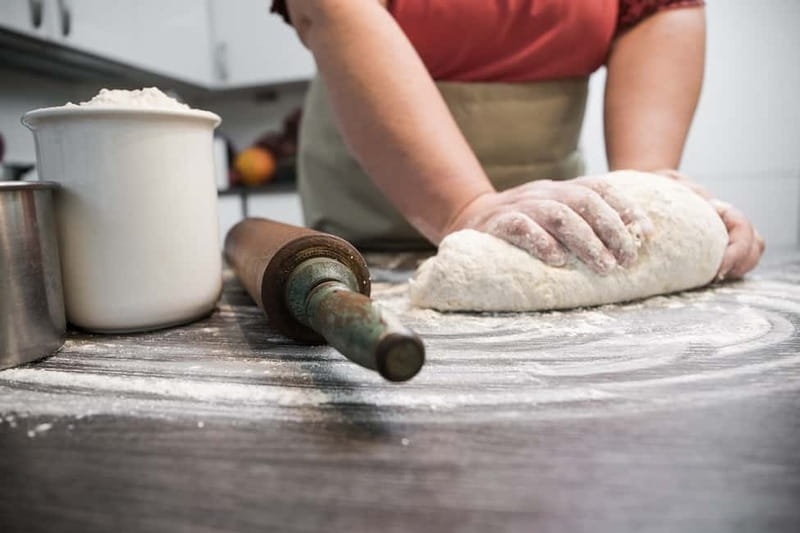
This isn’t the kind of cooking class where you stand back and take notes. The format is built around doing the work yourself, with staff guiding you through each step as you go. You’ll be in a real Neapolitan pizzeria environment, and you’re learning the logic behind the dough and the process behind the pizza.
A big quality-of-life win is the small-group feel. You’re more likely to get individualized help when your dough is sticking, your shaping isn’t round yet, or you have questions about what you’re actually aiming for in texture and stretch. It also helps the class move at a comfortable pace instead of turning into a factory line.
You can also read our reviews of more tours and experiences in Naples.


From four ingredients to Neapolitan dough you can stretch
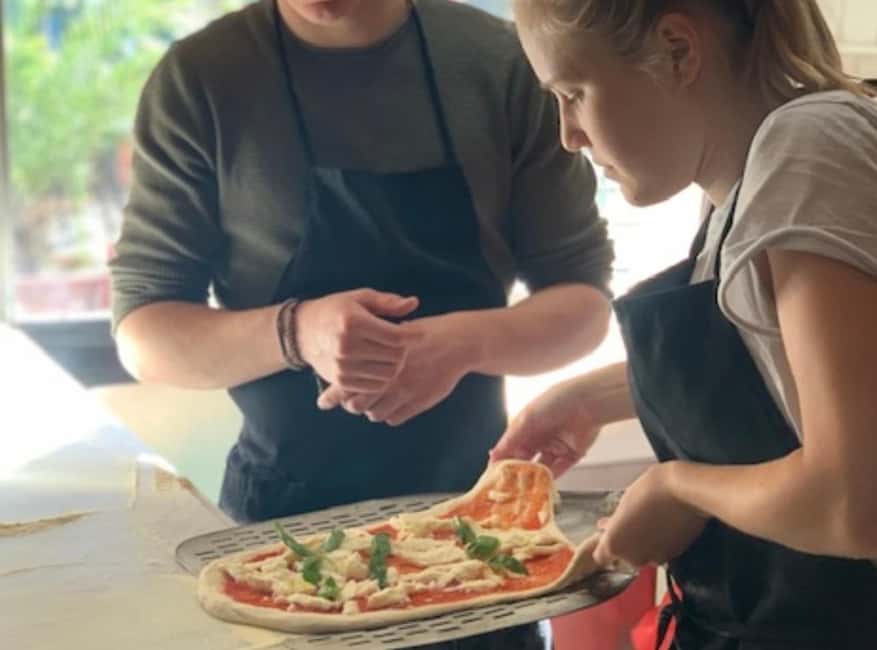
You start with a simple idea: the base dough is made from just four humble ingredients—water, flour, salt, and yeast. That might sound too plain to create “restaurant” pizza, but that’s the point. Neapolitan pizza is about restraint: good ingredients plus correct handling.
You’ll learn the sequence of what to do with the dough, not just the end result. Expect time spent kneading, then shaping, and then stretching so the dough develops the right feel before it ever meets the oven.
What makes this valuable for you is that you’re practicing technique you can repeat later, even if your home setup isn’t a wood-fired oven. Most people don’t need a magic ingredient. They need the right movements and timing, and that’s what the class focuses on.
Staglio and panetti: where the real technique lives
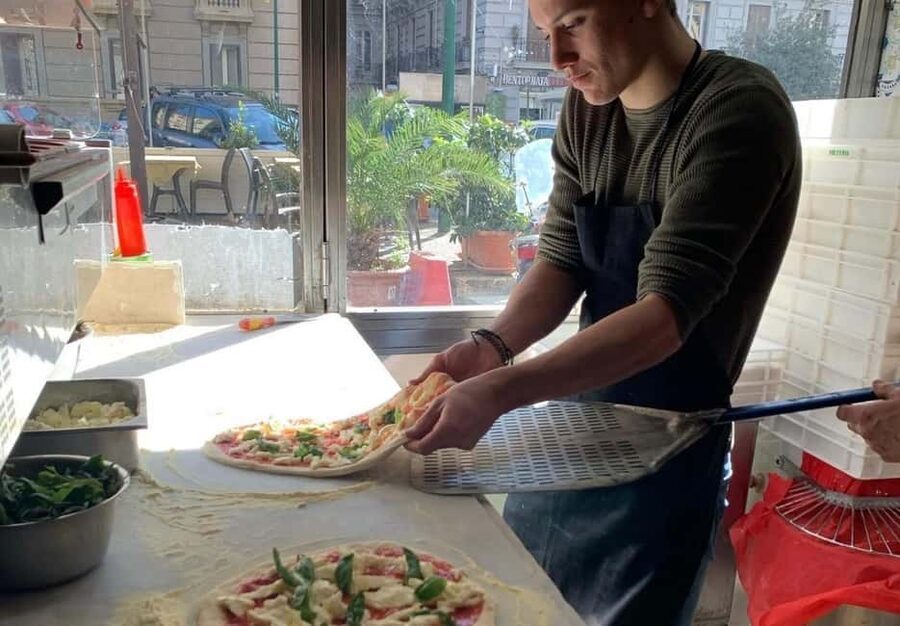
One of the most “this is Naples” details is staglio. That’s the traditional method of cutting and portioning dough into panetti (dough balls). It’s not just about dividing dough. It affects how the gluten relaxes and how each portion behaves when it comes time to stretch.
In practical terms, you’ll learn how to handle the dough portions without crushing the air you’re building through kneading. You also get coached on how to work with the texture you have at that moment, because dough can behave differently depending on temperature and proofing.
When you nail staglio and panetti, everything gets easier later. Your dough stretches more smoothly, your pizza shapes faster, and you’re less likely to end up with a thick, bready center. This class pays attention to those cause-and-effect links.
Toppings and pizza identity: San Marzano, buffalo mozzarella, basil
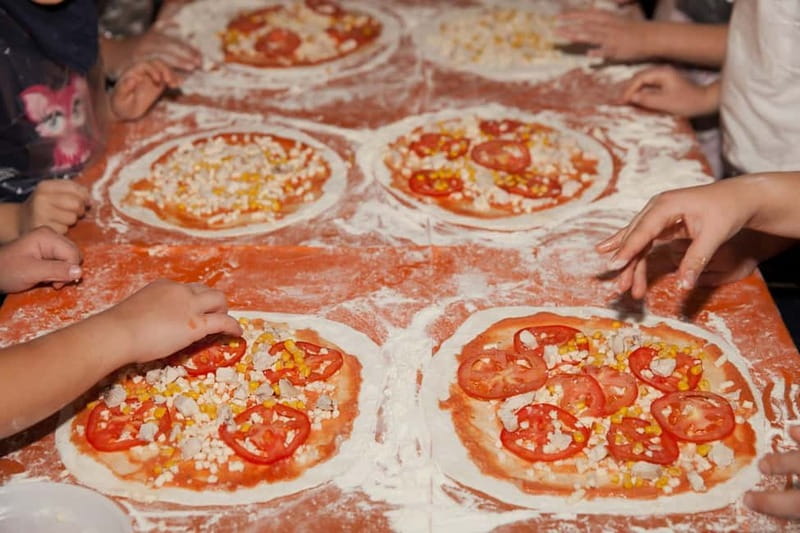
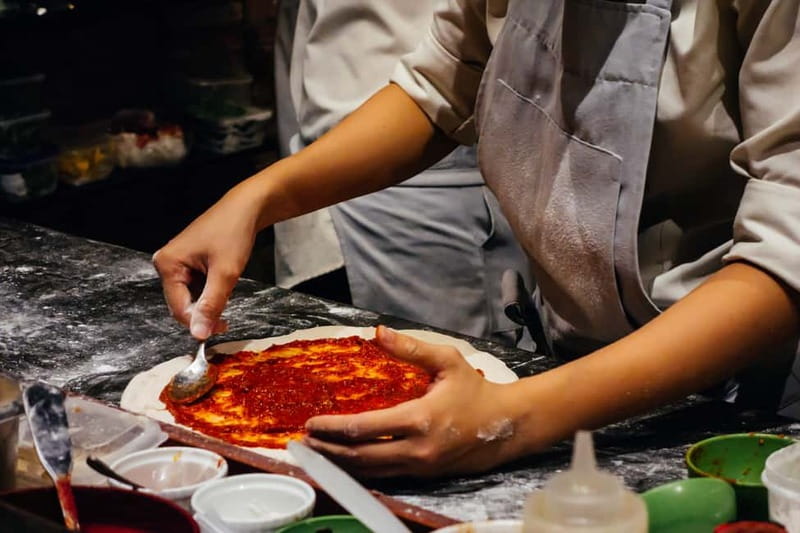
After the dough is ready, you move into the topping stage with fresh local ingredients. The classic Margherita approach in this class uses San Marzano tomatoes, buffalo mozzarella, basil, and DOP extra virgin olive oil.
The takeaway isn’t just what goes on the pizza. It’s how to use each topping properly. For example, tomatoes are flavorful, but they also bring moisture—so you learn how the sauce stage should feel and how to keep the pizza from going soggy. With mozzarella, you learn the handling mindset that helps the cheese melt without turning into a greasy puddle.
This is also where the class’s philosophy of simplicity shows up. Instead of a pile of extras, you’re building a pizza that relies on quality and balance. The flavor is loud without being complicated.
Wood-fired oven baking and your Margherita’s moment
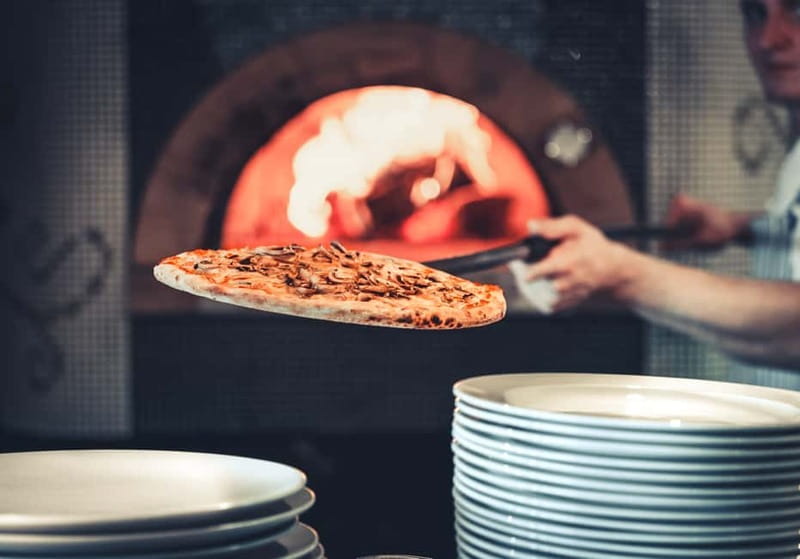
Next comes the fun part: baking in a traditional wood-fired oven. This is where you see whether your dough work paid off. A wood-fired oven cooks fast and hot, so your pizza can puff, blister slightly, and develop the texture that makes Neapolitan pizza recognizable.
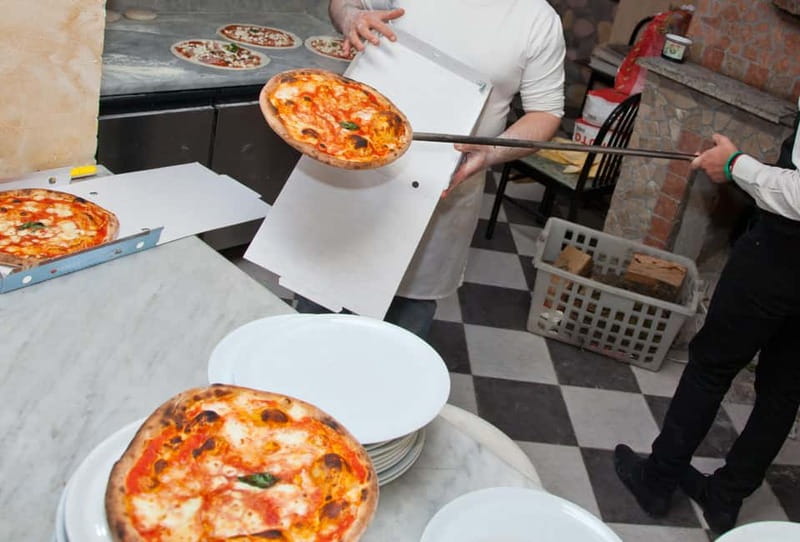
You’ll bake your own handcrafted Margherita, then sit down to eat it in a warm, welcoming setting. Even if you think you’re already good at pizza, this stage teaches you how sensitive dough is to handling. You’ll likely notice how the stretch and the topping amount show up on the finished crust.
The class also includes time to enjoy your creation with a drink. The included beverage options are a glass of local wine, or water or beer depending on what you choose.


Sweet finish: fried dough bites plus a proper Neapolitan liqueur
This class doesn’t end with the savory portion. You’ll finish with a sweet twist made from the same dough foundation: crispy fried pizza dough bites filled with a famous chocolate spread. It’s the kind of street-food idea Naples does well—comforty, crunchy, and easy to eat while you’re still warm from the kitchen.
On top of that, you’ll be served limoncello liquor. It gives the meal a clean, citrus finish that pairs nicely with fried dough. If you like your evenings ending bright instead of heavy, this part tends to land really well.
One extra note from what people experience in similar setups: sometimes a fried item beyond the chocolate-filled bites may appear as part of the broader food flow. If that’s offered during your specific session, consider it a bonus, not a requirement.
Price and value of a $70, 2 to 3 hour class
At $70 per person for 2 to 3 hours, you’re paying for three things that matter in real life: time, instruction, and food that you actually help produce. This isn’t “pay to watch.” You’re working with dough and learning steps you can repeat later using the digital recipe provided.
The value is also boosted by the meal structure. You’re not just getting one pizza. You’re making and eating a savory pizza plus a sweet dough-based dessert, and you’re also included for drinks (wine/water/beer) plus limoncello. That makes the cost feel more like a full experience than a simple activity.
If you’re comparing it to a casual pizza outing, the math shifts because the class gives you skills. You’ll leave knowing how Neapolitan dough behaves and what changes when you handle it differently.
Who should take this class (and who should choose something else)

This class is perfect if you want a hands-on Naples food experience and you’re curious about how pizza becomes good, not just how it tastes. It also works well for couples and friends, especially since the small group setup makes it easier to get corrected in real time.
It’s also a strong pick for families with older kids. The age policy is clear: children must be aged 6 and over. Under 6 can’t participate, including access to the work area and oven zone, so plan around that if you’re traveling with younger children.
If you want a purely English experience with zero language switching, you might feel the friction. The instruction team uses Italian and English, and depending on the session you attend, the pace of translating can add a bit of mental overhead. Still, the overall teaching style is designed to keep you moving and learning.
Tips to make your pizza-making evening easier
Come ready to get a little flour on you. One practical lesson from real participants: the class is messy by design, since you’re working dough with your hands. If you’re the type who hates mess, consider bringing an extra shirt or asking in advance about aprons.
Also, plan for timing around the actual start of the meal. In some sessions, the pizzeria dining area might open after you’ve already started making pizzas, so you may store your belongings while you work nearby. If you like to keep your phone and valuables organized, give yourself a moment to set up before the dough takes over.
Finally, ask questions early. The instruction works best when you clarify your problem before it becomes your habit. Whether your dough is tearing when you stretch or you’re unsure how to portion panetti, you’ll get more value by speaking up in the moment.
Should you book this Naples Premium Pizza Class
Yes, you should book it if you want a hands-on Naples food experience where you learn technique, not just taste pizza. The combination of Neapolitan dough fundamentals, wood-fired baking, and a sweet dough dessert keeps it from feeling like a one-note activity.
I’d skip it only if you’re mainly looking for a quick meal with zero cooking involvement, or if language switching would genuinely frustrate you. Otherwise, this class is a great way to turn Naples pizza from something you eat into something you understand.
It’s also a smart choice if you enjoy learning directly from people who clearly care. Names you may meet in different sessions include Francesca, Lucia, Riccardo, Maurizio, and Alessandro, and the consistent pattern is the same: friendly guidance plus real pizza craft.
FAQ
How long is the Naples pizza class?
The class runs about 2 to 3 hours, depending on the starting time and availability.
What does the class cost?
It’s $70 per person.
What will I make and eat during the experience?
You’ll make Neapolitan pizza dough, bake and eat a Margherita, and then finish with a sweet dessert made from the dough: crispy fried dough bites filled with chocolate spread.
What drinks are included?
You get one glass of local wine, water, or beer, plus limoncello liquor.
What languages are used by the instructor?
The instructor can teach in Italian and English.
Is there an age limit for kids?
Yes. For safety, the class is only suitable for children aged 6 and over. Children under 6 aren’t allowed to participate, including access to the work and oven areas.
Is free cancellation available?
Yes. You can cancel up to 24 hours in advance for a full refund, and you can also choose reserve-and-pay-later options.