REVIEW · FES
Majestic Desert: 3-Day Luxury Journey from Marrakech to Fes
Book on GetYourGuide →Operated by Discover Sahara Tours LLC · Bookable on GetYourGuide
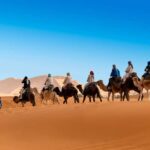
Camel rides at sunrise and sunset.
This 3-day luxury journey cuts through Morocco’s big scenery shifts, starting with the High Atlas climb above Marrakech and ending in Fes. You’ll spend a night in a Berber desert camp in Merzouga, then roll on to Dades and Todra’s dramatic canyon walls, with the famous UNESCO Kasbah Aït Ben Haddou on the way.
What I like most is the built-in rhythm: you’re not just transferring between cities. You’re also getting real stops with local guides, including a walk through the Todra valley and a hands-on desert camp evening with Berber music. My second favorite part is the dessert-camp package: camel rides at sunset and sunrise, plus sandboarding and time for stargazing.
One consideration: this is a long, road-heavy trip. Expect a lot of hours in the car, and in colder months the desert night can be truly chilly since some camp setups run warm-blanket style rather than heater-first.
In This Review
- Key highlights you should know before you go
- Marrakech to Tizi n’Tichka: the Atlas Mountains set the tone
- Aït Ben Haddou UNESCO: worth the extra 2 minutes to plan
- Skoura Oasis and Dades Valley: palms, kasbahs, and red cliffs
- Todra Gorge walk: where the canyon walls do the talking
- Merzouga dunes and camel rides: sunrise and sunset are the main event
- Luxury desert camp: warmth, blankets, and the reality check
- Day 3 sunrise and the drive back toward city life
- Ifrane break and the final arrival in Fes
- Price and logistics: why $138 can feel fair for what you get
- Pace and comfort: how to make the long drive feel manageable
- What kind of traveler should pick this route
- Should you book Majestic Desert from Marrakech to Fes?
- FAQ
- What time is pickup in Marrakech?
- Is lunch included on the tour?
- Are camel rides included in the desert?
- Do I get sandboarding or any other desert activities?
- Is there a local guide included for Aït Ben Haddou?
- What’s included for the Todra Gorge visit?
- How cold is the desert camp at night, and what should I bring?
Key highlights you should know before you go
- UNESCO at Aït Ben Haddou on Day 1, with an optional local guide add-on
- Sunset and sunrise camel rides in Merzouga, not just one ride
- Todra Gorge walk with a local guide (about 40 minutes to 1 hour) plus craft stops
- Sandboarding in the Erg Chebbi dunes
- Middle Atlas surprises: cedar forests, Barbary macaques, and the Ifrane stop
- Luxury camp comfort that varies by season, with cold-weather reality in winter
Marrakech to Tizi n’Tichka: the Atlas Mountains set the tone
The trip starts with a pickup around 7:30 am from your hotel or riad. Then you head out of Marrakech and start stacking the scenery fast, with the kind of views that make you want to stop taking photos and just look around.
Day 1 is built for dramatic travel: you cross the High Atlas via Tizi n’Tichka pass. This is where Morocco feels big and steep—winding roads, sudden outlooks, and the feeling of getting higher with every turn. If you like travel days that feel like a road trip with purpose, this is your day.
You’ll also pass through Ouarzazate, often nicknamed the Hollywood of Africa. You don’t have to be a film buff to find it interesting. The area has that cinematic, desert-at-the-edge look, and it helps explain why so many productions end up filming here.
You can also read our reviews of more tours and experiences in Fes.
Aït Ben Haddou UNESCO: worth the extra 2 minutes to plan
Aït Ben Haddou is on the route, and it’s listed as a UNESCO World Heritage Site. Even if you’ve seen photos, it’s the scale and texture that hit in person: thick walls, tight street-like passageways, and the kasbah sitting in the surrounding hills like it has always belonged there.
Here’s the practical part: the tour notes that there’s no guide in Aït Ben Haddou included (about €2 per person). That means you have a choice. If you want the story behind the architecture, family history, and how the complex functioned, pay for the local guide. If you prefer free time for photos and wandering, you can skip it and just enjoy the site at your own pace.
Either way, bring your eye for details. The best photo moments usually come from stepping slightly away to catch the kasbah’s shapes against the background. Give yourself a little time for that, and you’ll get better shots than if you only rush through.
Skoura Oasis and Dades Valley: palms, kasbahs, and red cliffs
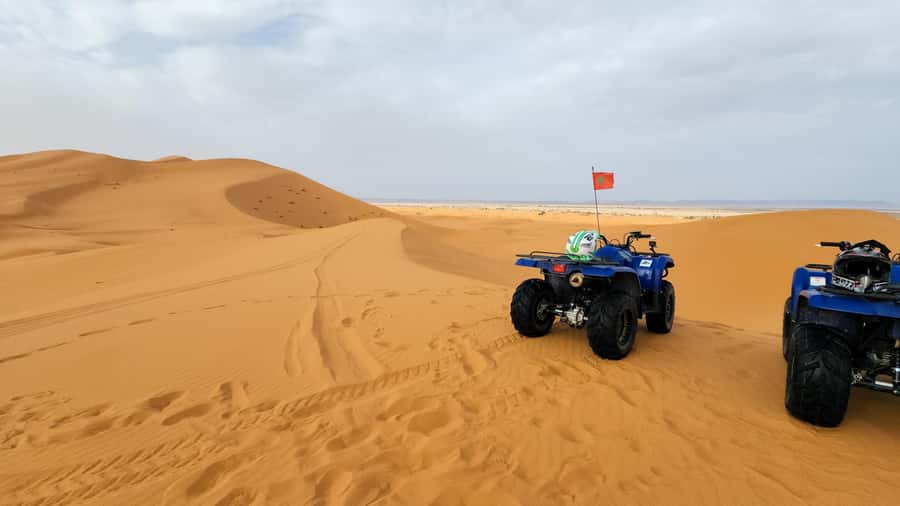
After Aït Ben Haddou, the day continues through Ouarzazate and then into the Skoura Oasis. This is a nice contrast stop: palm groves and kasbahs in a landscape that otherwise looks dry and wide. It helps break up the big mountain driving before you reach the more intense canyon scenery.
Your first overnight is in the Dades Valley area, with the tour including an AC room/suite hotel with bathrooms for the night. Dades Valley is known for its red cliffs and dramatic shapes, and the lighting in late afternoon can turn the rock into something almost coppery. If you’re tired from the road, this is still a rewarding place to stretch your legs for a short walk and then get dinner.
The vibe here is simple and real: you’re in Morocco, not a theme park. That’s part of why people love these routes—everything feels connected instead of random stops.
Todra Gorge walk: where the canyon walls do the talking
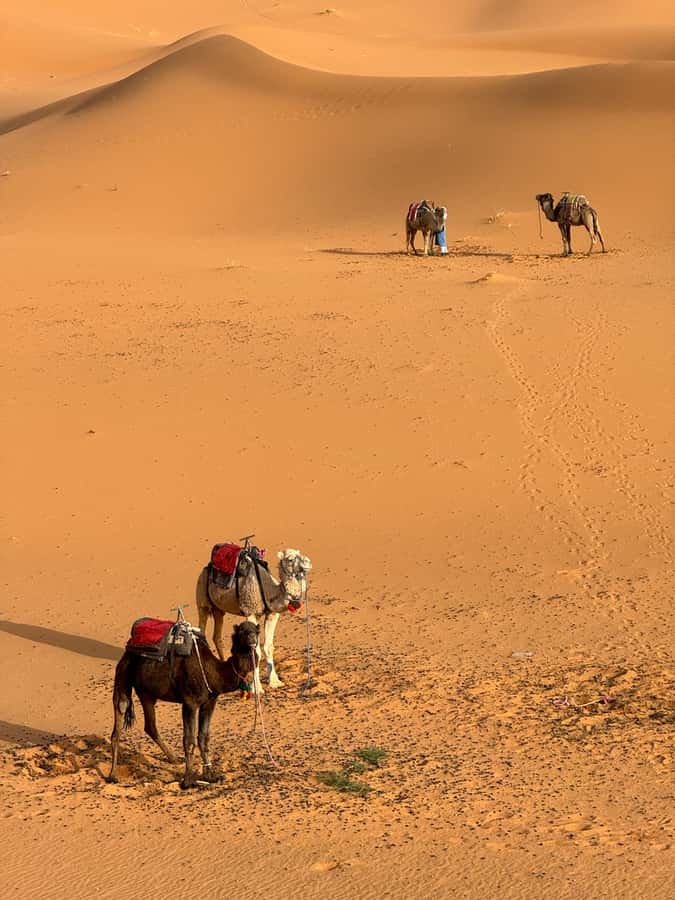
Day 2 begins with a calmer morning, waking up in the Dades Valley and then heading toward the Todra Gorge. The drive brings you deeper into the Atlas region, with chances to see Berber villages along the way and watch the terrain change again.
At Todra Gorge, you get towering canyon walls that make you feel small in the best way. This is one of those places where the rock shapes feel almost carved by time and water rather than just formed. The tour includes a 40 minutes / 1 hour walk through the Todra valley with a local guide.
That walk isn’t only about the cliffs. It also includes time tied to craft culture—especially traditional handmade carpets mentioned as part of the experience. It’s a good way to connect what you’re seeing outdoors with how people live and work nearby.
A balanced note: local guide quality can vary depending on the guide assigned. For some language groups, the explanation might feel clearer or more detailed than others. If you care about understanding every detail, ask your tour guide in the group language you prefer and be proactive about clarifying anything you miss.
Merzouga dunes and camel rides: sunrise and sunset are the main event
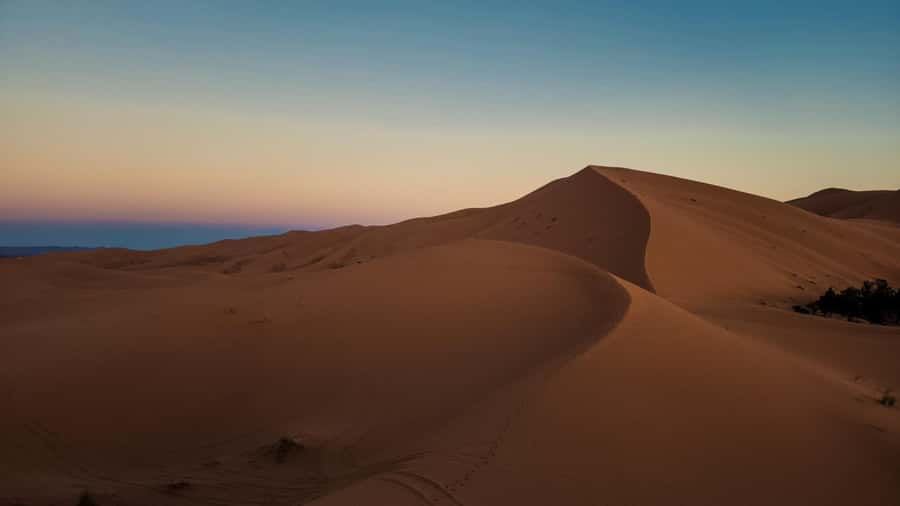
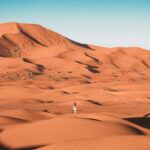
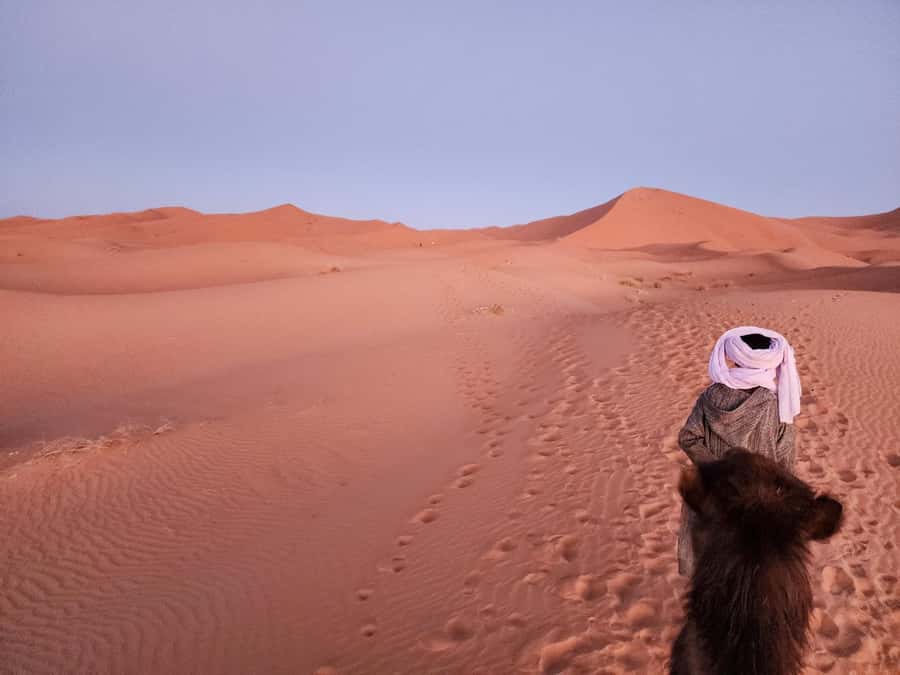
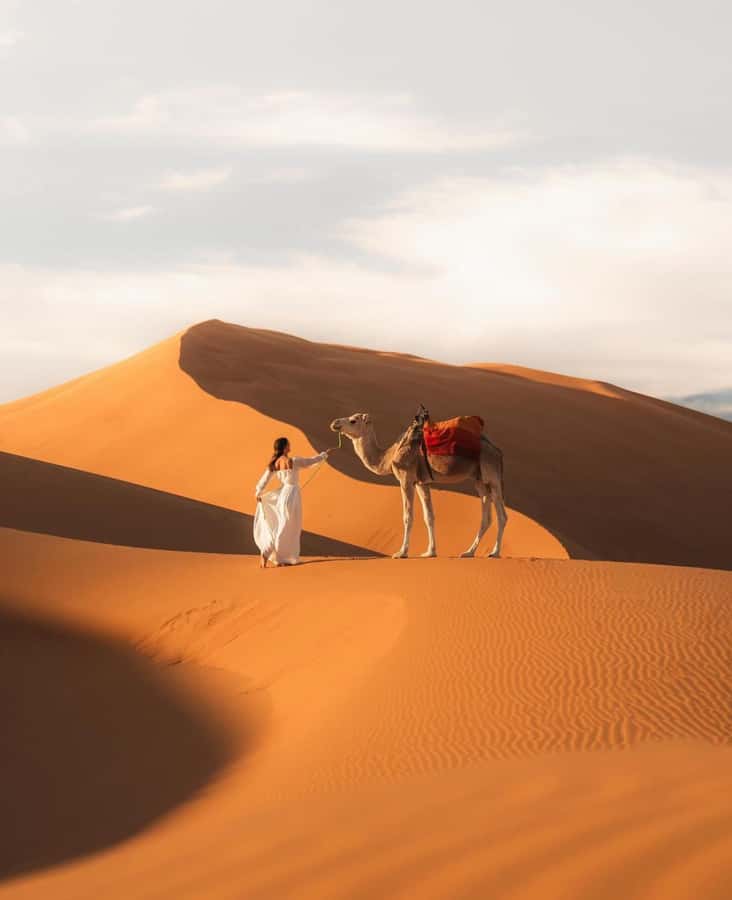
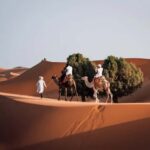
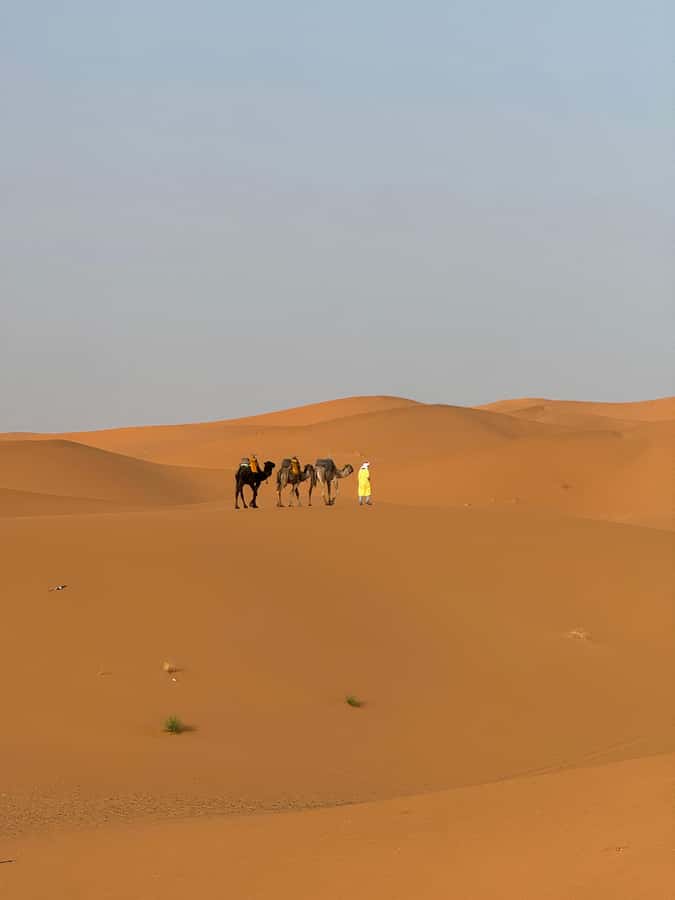
Then comes Merzouga, where Morocco’s desert personality turns on. You ride camels into the Erg Chebbi dunes, and the tour is designed around two different desert moments: sunset and sunrise camel rides.
The sunset ride is about color and calm. The dunes shift from brown to gold to deep shadow, and the ride becomes more than a photo stop—it turns into quiet time. The sunrise ride is the opposite vibe: cooler air, softer light, and a desert that feels almost still. Doing both matters because you see different moods of the same place.
You’ll also get sandboarding in the dunes. It’s included, and it’s a fun burst of activity after long hours on the road. If you’re new to sand sports, start easy and expect sand to change how your footing feels.
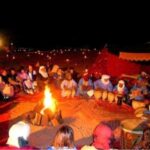
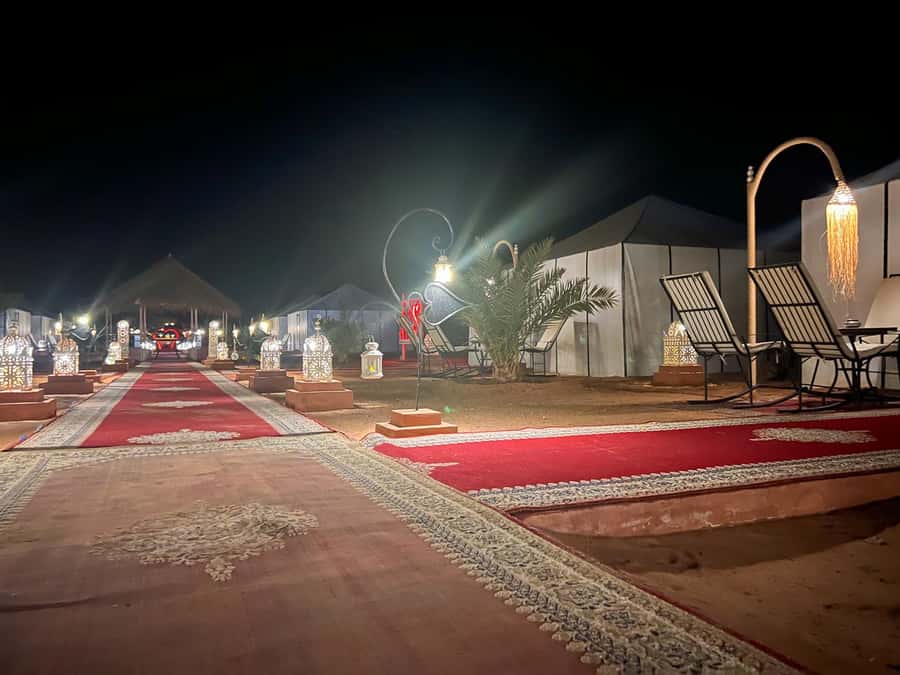
Desert camp activities round it out: the tour includes an opportunity to try on traditional Berber clothes and henna, plus a Moroccan dinner and evening entertainment. People also mention campfire music as part of the atmosphere, which makes the camp feel more like a night with a community than a hotel night in tents.


Luxury desert camp: warmth, blankets, and the reality check
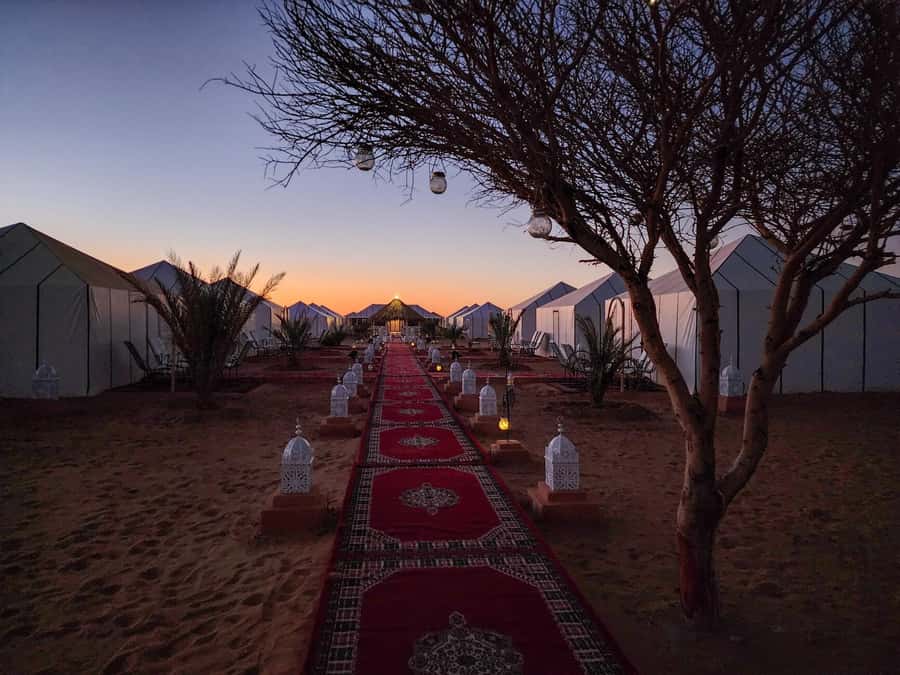
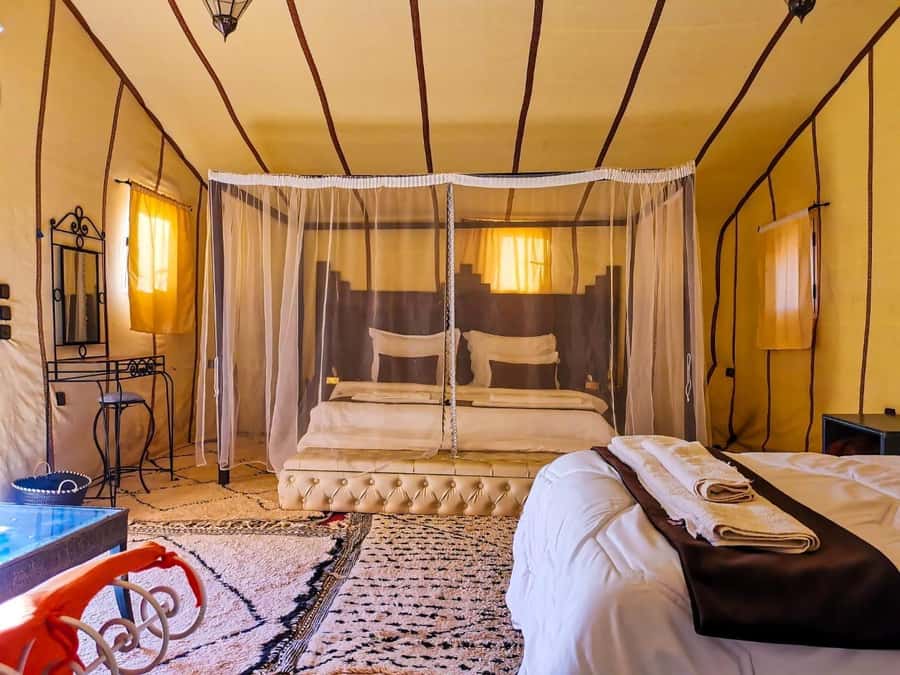
The camp is described as fully equipped, and you’ll sleep there for one night. “Luxury” in the desert can mean different things depending on what option you choose, but the feedback around the deluxe camp option points to real comfort upgrades.
In several accounts, people mention features like private bathroom and shower in the more deluxe setup, plus cleaner and larger tents. Even when details vary, the desert night experience tends to center on one thing: staying warm enough to sleep.
In winter months, cold can be intense. The trip data says comfort items like sunscreen and comfortable clothes, but the on-the-ground reality is that you should bring serious layers. Multiple reports call out that there may be no heater, and blankets are the solution instead. If you get cold easily, pack smart: warm hat, gloves or mittens, a thick scarf, and thermal layers. You’ll be glad you did when the sky drops to that cold, clear desert air.
One helpful point from experience reports: camp staff and hosts tend to be welcoming, and the evening energy is often friendly and lively, especially around dinner and music.
Day 3 sunrise and the drive back toward city life
Day 3 starts early, with the sunrise over the dunes before you head out of Merzouga. This is the payoff moment where your body thinks it’s too early, but your eyes immediately disagree.
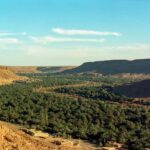
From Merzouga you pass through Erfoud, known for fossils, then continue to the Ziz Valley, where palm groves line the valley floor. It’s a nice “we’re leaving the dunes” visual transition: water and plants in a place that previously felt like only sand and stone.
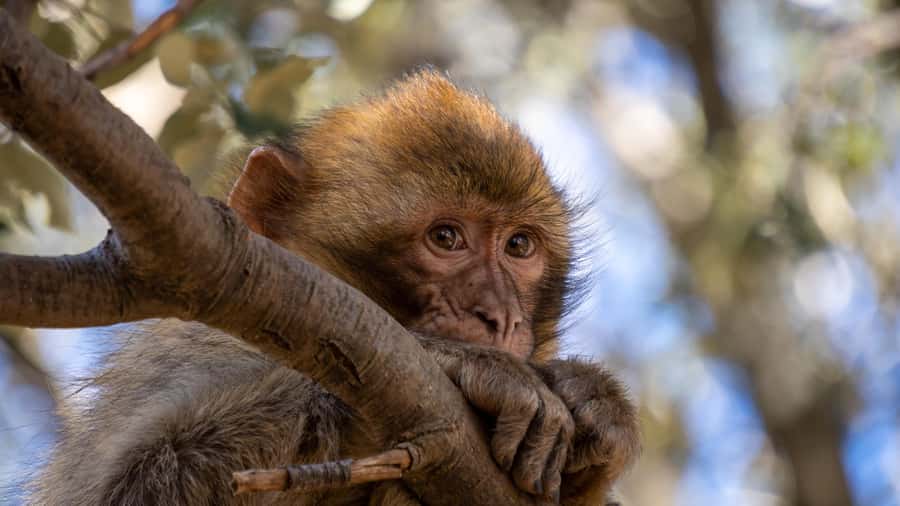
Then you head back up through the Middle Atlas Mountains. The tour mentions stopping at Azrou, in cedar forests where Barbary macaques live. There’s also a chance to stop and take pictures of monkeys at Michlifen, which often becomes one of those quick, surprising moments that breaks up the long driving stretch.
Keep your camera ready, but also keep your expectations realistic. The tour includes picture opportunities, not a guaranteed wildlife encounter every time. The best approach is to treat it like a bonus stop.
Ifrane break and the final arrival in Fes
After the cedar forests and wildlife moments, you’ll stop in Ifrane, often called Little Switzerland for its European-style architecture. This is a fun palate cleanser after so much desert and canyon scenery. The air, the buildings, even the overall feel can seem different enough that it helps reset your senses for the last leg.
Finally, you descend toward Fes. The tour ends with drop-off at the nearest point to your hotel or riad. In Fes, the appeal is usually artisan culture and old-city energy, and this itinerary positions you well: you arrive after three days of Morocco’s big visual variety, so you’re more prepared to notice the textures of daily life.
If you have extra time in Fes, I’d plan something that’s slower paced on arrival day. You’ve already done a lot of movement. Let Fes meet you gently.
Price and logistics: why $138 can feel fair for what you get
The price listed is $138 per person for about 60 hours. That’s not “cheap,” but it often lands in the fair-to-good range because the tour packs several high-cost elements into one package.
Here’s what you’re paying for beyond the ride between cities:
- Transportation in an air-conditioned vehicle (4×4 or minibus), plus fuel and tolls
- Local driver-guide support through the route
- One night in an AC room/suite hotel with bathroom
- One night in a desert camp with included activities
- Camel rides at sunset and sunrise
- Sandboarding
- Meals: breakfasts and dinners included (lunch not included)
Lunch and drinks are not included, so factor that into your daily budget. Also, the Aït Ben Haddou local guide isn’t included (optional add-on around €2). Add those up and you’ll understand your real out-of-pocket spending.
The other “hidden value” is time efficiency. Instead of planning separate transfers and separate desert overnights, you get one route that strings together UNESCO, gorges, dunes, and the Middle Atlas.
Pace and comfort: how to make the long drive feel manageable
Driving times listed for the days are roughly 5 hours 35 minutes Day 1, 4 hours 45 minutes Day 2, and 7 hours 15 minutes Day 3. That’s a lot of time in a vehicle, and the tour tries to make it feel lighter with planned stops.
In real terms, you’ll want to:
- Wear comfortable clothes and bring a light layer even in warmer months, since desert nights cool fast.
- Use the restroom breaks the moment they’re offered.
- If you’re sensitive to leg comfort, consider your seat choice. Some reports mention back-seat discomfort on the first day, which matters more if you have long legs.
The tour also uses WhatsApp coordination the evening before the trip. If you want things to go smoothly, keep a working WhatsApp number ready (with country code). It’s a small detail that prevents a lot of day-of stress.
What kind of traveler should pick this route
This trip fits best if you want:
- A structured route that covers major highlights without you doing the planning
- A real desert experience in Merzouga, not just a short dune photo stop
- A mix of nature, culture, and a UNESCO stop
It’s also a solid option for groups who enjoy chatting. Many of the guides and drivers mentioned by name in past trips lean friendly and engaged, and the camp evenings often bring people together.
Who should adjust expectations? If you hate long vehicle days, you might find the schedule intense. Also, if you’re going in cold months, plan for real desert cold and don’t rely on heaters.
Should you book Majestic Desert from Marrakech to Fes?
I’d book it if you want Morocco’s highlights connected into one story: Atlas passes, UNESCO Aït Ben Haddou, Todra’s canyon walls, and Erg Chebbi dunes with both sunrise and sunset camel rides. For the included desert camp time and the fact you get sandboarding plus crafts like henna and Berber clothes, the value feels strong.
I wouldn’t book it if your top priority is a relaxed pace with minimal driving. This is a “see a lot” itinerary. And if you’re traveling in winter, pack like you expect cold nights, because blankets are part of the design, not just decoration.
If you match the trip style—happy to move, happy to stop, and excited by sunrise/sunset in the desert—this is the kind of itinerary that tends to stick with you.
FAQ
What time is pickup in Marrakech?
Pickup is included around 7:30 am from your hotel or riad. If your place is inside the Medina or hard for vehicles to reach, you’ll be assigned the nearest meeting point.
Is lunch included on the tour?
No. Lunches and drinks or beverages are not included.
Are camel rides included in the desert?
Yes. The tour includes camel rides through the golden sand dunes at both sunset and sunrise.
Do I get sandboarding or any other desert activities?
Yes. Sandboarding is included. You’ll also have the opportunity to try on traditional Berber clothes and henna.
Is there a local guide included for Aït Ben Haddou?
No. A guide for Aït Ben Haddou is not included and is listed as approximately €2 per person.
What’s included for the Todra Gorge visit?
You’ll have a 40 minutes / 1 hour walk through the Todra valley with a local guide, including seeing natural landscapes and traditional handmade carpets, plus the Todra Gorge area.
How cold is the desert camp at night, and what should I bring?
The tour advises bringing comfortable shoes and clothes, plus sunscreen. Based on real experiences from the route in winter, you should pack warm layers for early mornings and cold desert nights.