REVIEW · VILAMOURA
Loule and Estoi Palace Premium Private > VTours Algarve
Book on Viator →Operated by VTours Algarve · Bookable on Viator
One good thing about this tour is it keeps moving, but never rushed. You start in Loulé and work your way through markets, a Moorish-era castle, and small heritage sites that explain why this corner of the Algarve feels different. Then you finish at Palácio de Estoi, an 18th-century showpiece with ocean views and gardens that make you slow down.
I love that the tour handles the practical stuff for you: tolls, parking fees, and entrance tickets for key stops are included, so you’re not hunting receipts or scrambling for change. I also like the private setup, which makes it easier to spend a little extra time where you’re most interested, without the “one-size-fits-all” feeling.
One thing to plan for: it’s a long day at about 7 hours, and most of it is outdoors or in places where shade is limited. Bring sun protection and comfy shoes, because Loulé and Estoi are the kind of towns where you end up walking more than you think.
In This Review
- Key highlights that make this tour worth your time
- Starting in Loulé: Mercado de 1908 and an easy town rhythm
- Castelo de Loulé: Arab origins you can recognize on the ground
- Museu Municipal de Loulé: a smart hit of prehistory to modern life
- Nossa Senhora da Conceição Hermitage: quiet building, detailed inside
- Underfoot and through the city walls: Islamic Baths and hidden layers
- Palácio de Estoi: the Algarve’s palace-with-views finish
- Price and logistics: what’s covered, what costs extra, and why that matters
- Your private guide experience with Pedro (and why it changes the day)
- Who this tour suits best in the Algarve
- Should you book the Loulé and Estoi Palace private tour?
- FAQ
- What time does the tour start, and how long is it?
- Is pickup included, and where does the pickup area cover?
- What entrance tickets are included?
- Is lunch included?
- Does the tour include Wi‑Fi and bottled water?
- What happens if the weather is poor, or if I need to cancel?
Key highlights that make this tour worth your time
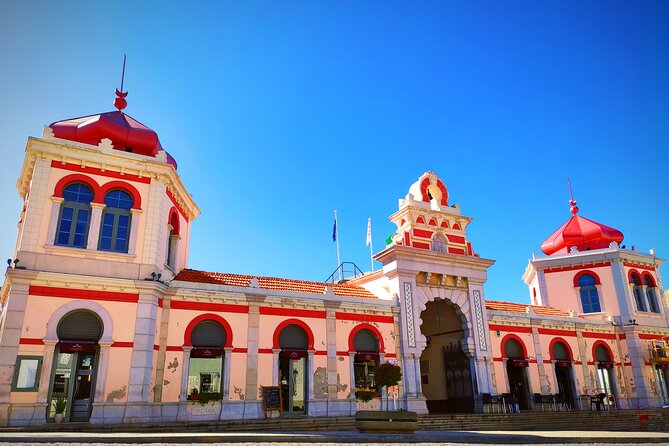
- Mercado de Loulé (since June 1908): revivalist architecture with a real food-and-fabric-of-town vibe
- Arab-origin Castelo de Loulé: visible walls and a rebuilt 13th-century story you can actually see
- Museu Municipal Loule: territory history from prehistory into modern times, with artifacts from local research
- Hermitage art you can spot fast: gilded baroque altarpiece and historic azulejo tiles telling the Virgin’s life
- Islamic Baths experience-by-way-of-place: hammam remains hidden under later foundations and paving
- Palácio de Estoi: ocean views plus gardens, fountains, and tilework that feel made for lingering
Starting in Loulé: Mercado de 1908 and an easy town rhythm
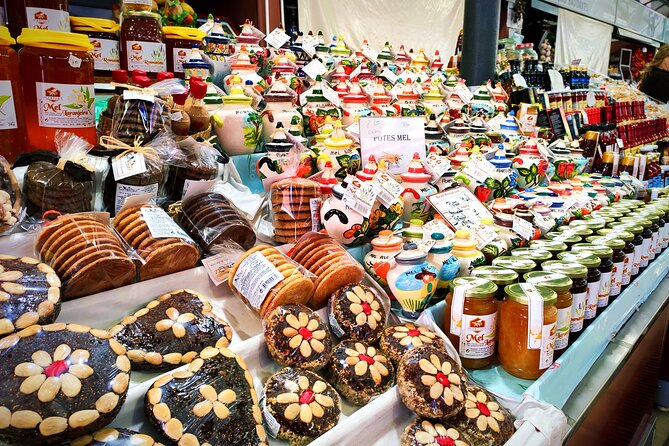
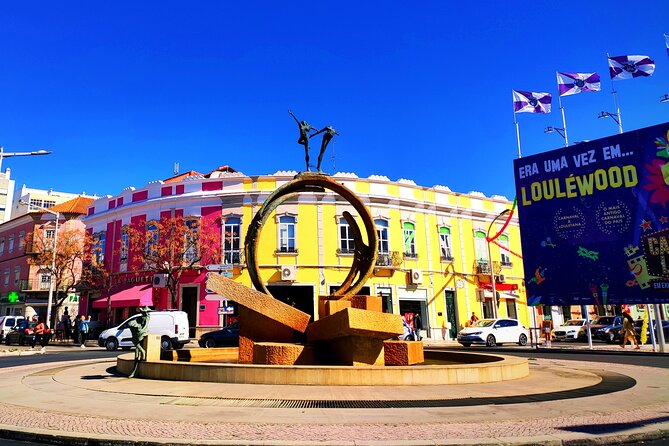
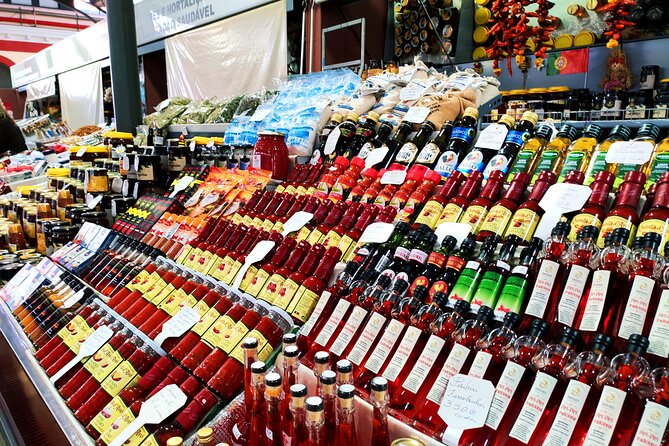
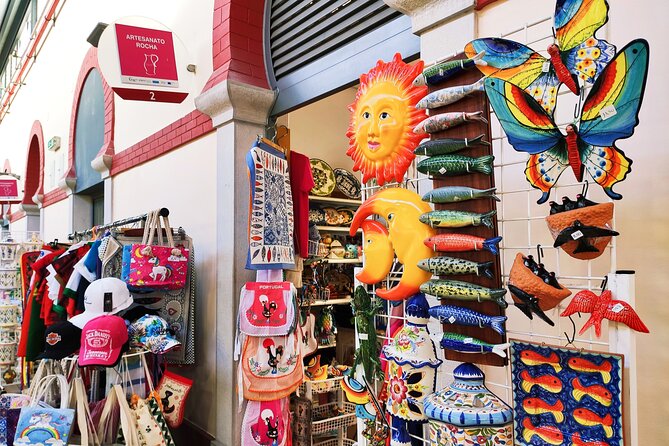
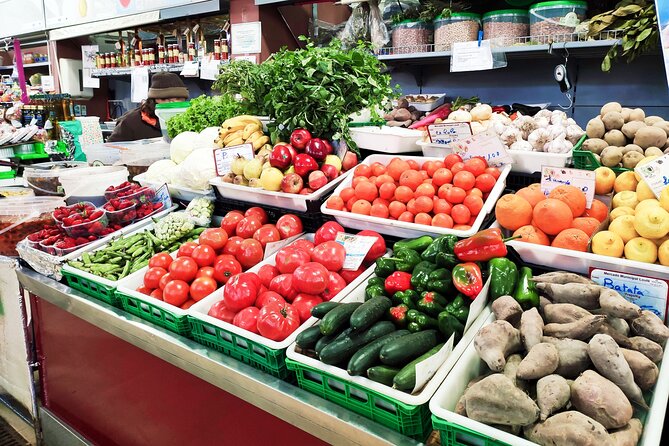
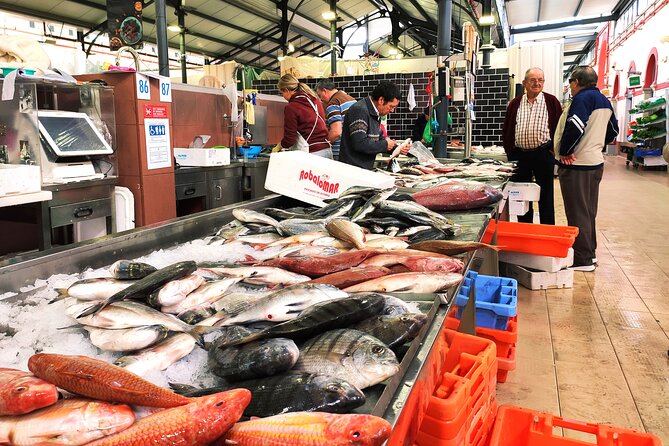
You’ll begin your day in the heart of Loulé at the Municipal Market of Loulé, a striking building inaugurated in June 1908. Markets here aren’t just for tourists. They’re working spaces. You’ll see fresh fish, fruits, vegetables, typical Algarve sweets, and local products, which is one of the quickest ways to understand how people live, shop, and socialize.
This first stop sets the tone. It’s a short stop, but it gives you visual context before you start looking at monuments. If you arrive and jump straight into castles, you miss the everyday life layer. Here, you get both.
A practical tip: if you’re a photo person, try to keep your camera ready for the produce and fish displays. If you’re not, you can still enjoy the energy and architecture without overthinking it.
You can also read our reviews of more tours and experiences in Vilamoura.

Castelo de Loulé: Arab origins you can recognize on the ground
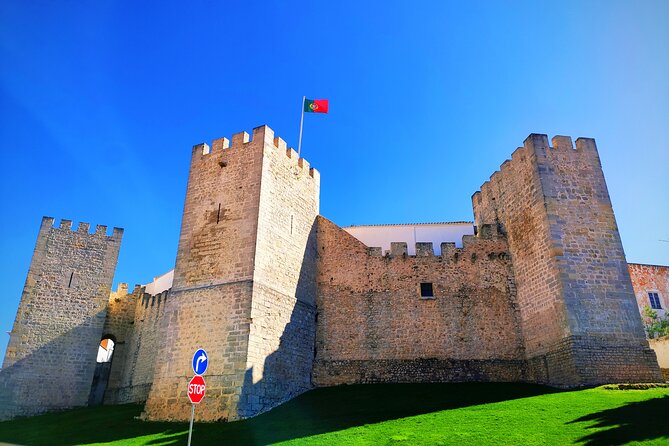
Next comes Castelo de Loulé, originally of Arab origin, with rebuilding in the 13th century. What’s nice is that this isn’t just a label on a sign. The castle had a large walled perimeter, and part of that perimeter is still visible, so you’re not imagining the scale. You can trace it with your eyes, which makes the story feel physical.
The stop is brief, so treat it like orientation time. Focus on the wall lines and the layout rather than trying to “complete” the site. If you’re the type who likes history through shapes and positions, this is a strong match for you.
Potential drawback: if you’re expecting a big castle complex with lots of rooms, you might feel the stop is more of a highlights walk. The payoff is in what you can still see from the outside.
Museu Municipal de Loulé: a smart hit of prehistory to modern life
At Museu Municipal Loule, you get a long-term exhibition that traces the territory history of Loule from prehistory to modern times. The museum’s approach matters: it uses selected objects collected across the county from research projects, prospecting, and occasional findings. In other words, this isn’t just a curated story locked behind glass. It’s tied to what people found where they live.
Your time here is short, so don’t try to read everything. Instead, look for the objects and themes that connect eras—because that’s what turns a quick stop into real understanding. Even with limited time, you’ll come away with the sense that Loule’s story isn’t only about “the old days.” It includes how the area has changed.
If you like museums that teach through artifacts rather than heavy text, this stop will work well.
Nossa Senhora da Conceição Hermitage: quiet building, detailed inside
From the outside, Nossa Senhora da Conceicao Hermitage reads as simple architecture. The real payoff is inside. You’ll see a baroque altarpiece in gilded woodwork with high-quality images, including a depiction of Nossa Senhora da Conceição. That religious art tends to be the kind you notice even if you’re not a specialist.
Then there are the figurative azulejo tiles that show scenes from the Virgin’s life. These tiles come from Lisbon and date to the mid-17th century, and they already hint at the rocaille aesthetic. This is one of those moments where the Algarve stops being only about beaches and cliff towns and becomes about Portuguese art in a smaller, calmer setting.
Stop length is short, so come ready to focus. If you try to multitask or scroll on your phone, you’ll miss the details on the altarpiece and the narrative tiles.
Underfoot and through the city walls: Islamic Baths and hidden layers
This part is one of the most interesting on the route: Banhos Islâmicos de Loulé e Casa Senhorial dos Barreto. The Islamic Baths are hidden under the paving and foundations of the stately home. That wording alone tells you the tone: this is a layered place where the past sits under the present.
The baths were an impressive, well-preserved public bathhouse (a hammam) built against the city wall during the Islamic period. Seeing how that kind of facility fits into a city’s structure helps you understand how daily life worked beyond the obvious monuments.
It’s a short stop, and the site is described as hidden under other structures, so you should keep expectations realistic. You’re not touring a standalone ruin. You’re learning how the city built over earlier life.
Palácio de Estoi: the Algarve’s palace-with-views finish
Your final major stop is Palácio de Estoi, an 18th-century palace often described as the most gorgeous in the Algarve, and you’ll understand why quickly. You get garden time, tilework, fountains, and the kind of ocean-view scenery that makes a palace feel like a destination instead of a stop.
This is the longest stop at about 1 hour, which helps. You can actually slow down here. Look for:
- How the gardens frame the view
- How the tilework and water features create a rhythm
- Whether you’d rather spend your time near the most scenic points or closer to the palace details
If you enjoy ornate settings, this is the section you’ll remember. If you’re more into architecture than decoration, you’ll still appreciate it because the overall composition is designed for views and walking paths, not just photo moments.
One note: palace grounds can be sunny. Plan your pacing so you don’t spend the whole hour squinting.
Price and logistics: what’s covered, what costs extra, and why that matters
At $210.04 per person for roughly 7 hours, the price is easier to judge when you see what’s included. You get:
- Air-conditioned vehicle
- Bottled cold water
- Onboard Wi‑Fi
- Parking fees and tolls
- Tickets for Castelo de Loulé, Museu Municipal Loule, and Palácio de Estoi
For a day built around multiple paid sites, that matters. Entrance tickets add up fast when you’re doing it yourself and paying for parking plus tolls on top. Here, those costs are already handled.
What’s not included: lunch. Also, alcoholic beverages and a tasting of 4 wines and tapas aren’t included. That said, the route is timed like a half-day town and palace experience with an optional wine-pairing vibe, so if you want that tasting moment, budget for it separately.
What you should bring:
- Hat, sunglasses, and sunscreen
- Comfortable shoes
This isn’t a “wear sandals and coast” day. You’ll cover enough distance that comfort wins.
Your private guide experience with Pedro (and why it changes the day)
Because this is a private tour, it’s only your group. That’s more than a marketing line. It changes the feel of the day. If you want one stop to go a little longer, you’re not trapped behind a herd.
The tour provider is VTours Algarve, and the experience can be led by a coordinator/guide named Pedro, who’s described as patient and personable, and who makes the day feel memorable rather than just scheduled. That kind of guide matters when you’re moving through multiple heritage sites with short time windows. You don’t just get facts. You get a smoother flow.
If you’re the type who likes asking questions, a private setup is where it really pays off.
Who this tour suits best in the Algarve
This itinerary fits you if you want:
- A culture-focused Algarve day that goes beyond beaches
- A clear sequence of “why this place matters,” from market life to palatial art
- Practical comfort, with an air-conditioned ride and Wi‑Fi on board
It’s also a good choice if you prefer not to drive yourself between spots. The included parking and tolls make it less stressful.
You might reconsider if you need a slower pace with fewer entrances. The stops are timed, and while there’s a longer break at the palace, the earlier sites are shorter.
Should you book the Loulé and Estoi Palace private tour?
Yes, I think you should book this if you want a high-value day where logistics are handled and the itinerary hits several different layers of Algarve culture: market life, Moorish-era traces, museum storytelling, religious art in tiles and altarpieces, and then the grand finish at Estoi.
Book it especially if:
- You care about heritage details and want more than one type of site
- You like the idea of private pacing
- You’d rather pay once and have tickets, tolls, and parking sorted
Skip it (or add a little flexibility) if you’re only in the mood for beaches or you hate walking in sun. For this one, good footwear and sunscreen are part of the plan.
FAQ
What time does the tour start, and how long is it?
The tour starts at 9:30 am and runs for about 7 hours.
Is pickup included, and where does the pickup area cover?
Pickup is offered from where you stay within the assigned area. Areas listed include Faro, Estoi, Quinta do Lago, Vale do Lobo, Vilamoura, and Loulé. You’ll need to send the address and the name of your hotel/BNB/hostel.
What entrance tickets are included?
Entrance tickets included cover the castle, municipal museum, and palace. Other listed sites have free admission for the tour stop.
Is lunch included?
No. Lunch is not included.
Does the tour include Wi‑Fi and bottled water?
Yes. You’ll have onboard Wi‑Fi and bottled cold water included.
What happens if the weather is poor, or if I need to cancel?
Cancellation is free up to 24 hours in advance for a full refund. The experience requires good weather, and if it’s canceled due to poor weather, you’ll be offered a different date or a full refund.