REVIEW · LEH
Ladakh 5-Star Premium Tour 7 Days
Book on Viator →Operated by Ladakh Backpackers · Bookable on Viator
Ladakh feels huge, even in a week. This 7-day premium trip strings together monasteries, high passes, and big-water scenery with the kind of comfort that makes altitude feel less scary. I like that the plan includes oxygen support, plus a mix of sightseeing and heritage meals that don’t feel like a checklist.
Two things I especially like: the early starts paired with sensible pacing (acclimatization time in Leh on Day 1 helps), and the food moments that are actually different—like a Ladakhi dinner in Stok and a farewell 4-course meal at Tsas by Dolkher. One consideration: the trip doesn’t clearly promise an English-speaking guide for the Nubra–Pangong stretch, and some key site entry tickets (like monasteries) are not included.
There’s a lot to see, and you’ll cover plenty of ground. But when you keep your expectations realistic and bring the right attitude for altitude, this is an elegant way to experience Ladakh’s essentials without turning your days into nonstop hustle.
In This Review
- Key things I’d mark on your map before you go
- Entering Ladakh in Comfort: What This Premium Setup Really Gives You
- Day 1 Leh Arrival: Acclimatization First, Then Leh Market at Your Own Pace
- Day 2 Leh Palace, Magnetic Hill, and the Monastery Circuit (Alchi, Likir, Shanti Stupa)
- Day 3 Khardung La and Nubra Valley: From a High Pass to Camel Country
- Day 4 Turtuk and the Balti Heritage House: A Different Side of Ladakh
- Day 5 Pangong Tso: A Long Drive That’s Worth It
- Day 6 Pangong Sunrise, Changla Pass Return, Thiksey, Shey, and a 200-Year-Old Heritage Home
- Day 7 Leh Airport Goodbye and a Farewell Meal at Tsas by Dolkher
- What Premium Comfort Looks Like Here (Not Just Better Hotels)
- Value Check: Is $1,815 Per Person Worth It?
- Practical Tips That Make This Week Feel Easier
- Should You Book This Ladakh 5-Star Premium Tour?
- FAQ
- Is pickup offered for this Ladakh tour?
- How long is the trip, and how many nights does it include?
- What meals are included?
- Are monastery and attraction entry tickets included?
- Is oxygen support provided during the trip?
- Is stargazing part of the experience?
- When is this tour ideal to book?
Key things I’d mark on your map before you go
- Oxygen cylinder support is included, which matters in Leh area timing and for comfort on higher ground.
- Private transportation keeps transfers smooth and reduces stress on long mountain drives.
- Heritage meals are built in, including a Stok dinner experience and a farewell 4-course dining night at Tsas by Dolkher.
- Pangong Tso sunrise + stargazing are planned, but stargazing depends on clear weather.
- Turtuk and the Balti Heritage House add a cultural side trip beyond the usual Ladakh loop.
- English speaking guide is only clearly stated for Leh local sightseeing (Day 2), so expect less guided language help later.
Entering Ladakh in Comfort: What This Premium Setup Really Gives You
Premium in Ladakh isn’t about marble lobbies. It’s about not having to constantly solve problems while you’re at high elevation. In this tour, that shows up in the nuts-and-bolts: airport pickup, private transport, oxygen cylinder support, and set meal plans so you’re not guessing what you’ll eat after a long drive.
The other smart part is how they pace your first day. You land in Leh, get transferred to your hotel, then get a rest day for acclimatization. That’s not glamorous, but it’s practical—and if you’ve ever felt winded at 11,000+ feet, you’ll understand why that matters.
Finally, the itinerary leans into “views plus meaning.” You’ll see the famous stops, but you’ll also spend time at monasteries and heritage homes where the experience is about how people live, not just what the buildings look like from a road pull-off.
You can also read our reviews of more tours and experiences in Leh.

Day 1 Leh Arrival: Acclimatization First, Then Leh Market at Your Own Pace
Your first day starts simply: a representative meets you at Leh airport, then you transfer to your hotel. The rest of the day is intentionally open for acclimatization, which is a big deal at altitude. You also get dinner at the hotel, so you’re not hunting for food while your body is still adjusting.
In the evening, you can do an easy walk toward the Leh market area on your own. This is a nice way to get your bearings fast: streets are compact, and you can watch local life without committing to a long sightseeing run.
What to expect: a calmer first day, then the scenery and temples ramp up in the following days. What to watch: take it easy with activity and screen time—your goal on Day 1 is to feel good tomorrow.
Day 2 Leh Palace, Magnetic Hill, and the Monastery Circuit (Alchi, Likir, Shanti Stupa)
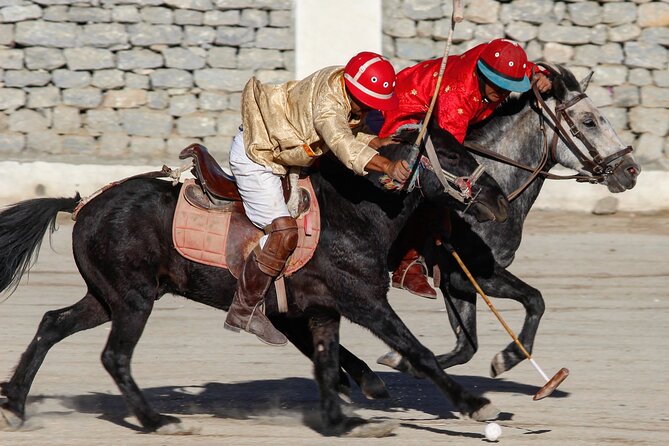
Day 2 is where the trip starts feeling like a “proper Ladakh day.” It begins with an early breakfast, then the plan moves through key Leh sights.
You’ll visit Leh Palace, perched above town. It’s an easy stop to enjoy because you can take in both the building and the view over Leh. After that, you go to a gravity hill-style attraction called Magnetic Hill. The idea is simple: the road layout creates an optical illusion so that cars appear to roll uphill. It’s brief, quick fun, and it’s the kind of stop that breaks up the longer monastery time.
Then comes the spiritual and artistic part—Alchi Monastery. This is a UNESCO World Heritage site known for ancient murals and sculptures. I like this stop because it’s not just “another viewpoint.” The architecture and artwork give you a sense of what Buddhism looked like here centuries ago, and you’ll also see the blend of Indian and Tibetan influences in the style.
After Alchi, you continue to Likir Monastery (Likir Gonpa). It’s a shorter stop, but it adds variety without making you rush. You end the day at Shanti Stupa, which offers panoramic views of Leh and surrounding mountains. It’s a calm finish, and it’s especially useful after a busy day—think of it as a scenic breather.
One practical note: some of these sites list admission as not included. If you want zero surprises, budget for a few entry fees during the trip.
Day 3 Khardung La and Nubra Valley: From a High Pass to Camel Country
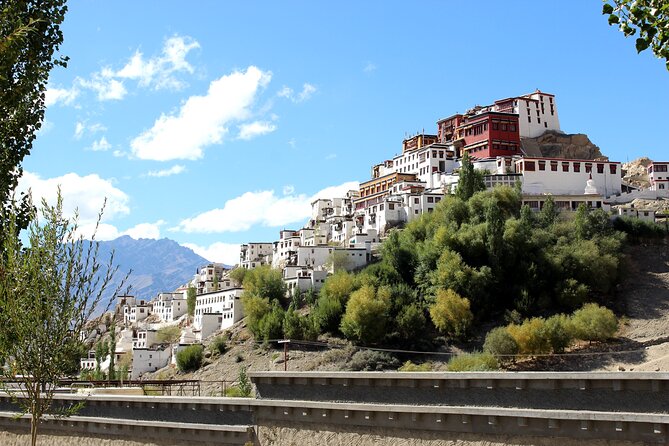
Day 3 starts with Khardung La, called the gateway to the Nubra and Shyok valleys. The big headline is that it’s the highest motorable pass in the world. Even if you treat that as a marketing claim, it’s still one of Ladakh’s most dramatic road moments—steep, stark, and unmistakably high.
After the pass, you go to Hunder in the Nubra Valley. You’ll have time to take in views over the Shayok Valley. The day is also set up for camel time: you’ll head to the Hunder Sand Dunes and do a desert safari ride with Himalayan double-hump camels.
You also visit Diskit Gompa, described as the oldest and largest Buddhist monastery in Diskit. The timing usually works best if you treat it as a slow stop—look around, then take photos later. Monasteries in this region reward patience more than speed.
What to watch: this day includes altitude changes and longer driving. Even with oxygen support included on the tour, you’ll still feel your body adjusting. Build in extra water breaks and don’t try to “power through” with a fast pace.
Day 4 Turtuk and the Balti Heritage House: A Different Side of Ladakh
If you want one day that feels like it adds a new chapter, it’s Day 4.
You’ll visit Turtuk Village, described as a gateway to the Siachen Glacier region. It’s also close to the Line of Control, which gives the stop a deeper context than many sightseeing-only villages. The drive and the village time together make it feel like more than a quick photo stop.
Then you go to the Balti Heritage House and Museum. This short visit (listed at about 30 minutes) is an easy way to understand local culture without turning the day into a classroom lesson. It’s the kind of stop that helps the rest of your trip click—because you’re not only seeing mountains and monasteries, you’re also learning how heritage is presented and preserved.
Why it’s valuable: most Ladakh routes chase the famous names. This one adds a village-focused day where the atmosphere shifts from temple tourism to living culture.
Day 5 Pangong Tso: A Long Drive That’s Worth It
Day 5 is a full scenic push to Pangong Tso (Pangong Lake). The trip crosses the Shayok Valley, which is one of those routes where the “drive” becomes part of the experience. You’re not just getting from A to B—you’re watching the terrain change as you go.
The timing is early breakfast, then a drive that takes the better part of the day. You arrive at Pangong, where the water and high-altitude setting do the heavy lifting. Pangong is also the anchor for later plans: you’ll return for sunrise on Day 6 and you’ll have stargazing set up as well.
One practical expectation: this is a “weather matters” kind of destination. Roads and schedules can be impacted by conditions, and that’s also why the tour builds in sunrise timing for the next morning.
Day 6 Pangong Sunrise, Changla Pass Return, Thiksey, Shey, and a 200-Year-Old Heritage Home
Day 6 starts early so you don’t miss the sunrise at Pangong Lake. You’ll enjoy breakfast on the shores, then return toward Leh via Changla Pass.
This part of the trip works well because it balances two types of sights:
1) a natural moment that you can’t replicate later in the day, and
2) a temple-and-culture set that brings you back down into heritage.
On the return, you visit Thiksey Monastery, located north of the Indus River on a hilltop. It’s described as belonging to the Gelukpa order and built in 1430 AD. Thiksey often feels like a place where you can walk, look upward, and understand why monasteries are built where they are—visibility and symbolism matter.
Then you stop at Shey, which includes Shey monastery and palace. It’s on the Leh–Manali road, about 15 kilometers from Leh, and is described as being built in the 16th century. The stop is short (about 30 minutes), so go in ready to enjoy it quickly rather than expecting to “see everything.”
The day ends with something that feels more personal than another roadside stop: Gyab Thago Heritage Home and Guest House in Stok Hamlet. The heritage home is described as more than 200 years old, and the visit includes a traditional Ladakhi culinary experience. This is listed as admission included and takes about 2 hours.
Why I like this ending: it gives you a quiet “home-to-table” feeling after a day of big scenery.
Day 7 Leh Airport Goodbye and a Farewell Meal at Tsas by Dolkher
Your final day is straightforward: after breakfast, you depart for Leh airport based on your flight timing.
But the tour doesn’t just end with a transfer. It includes a farewell dinner described as a 4-course dining experience at the award-winning Tsas by Dolkher. That’s the kind of final-night detail that makes the whole week feel planned, not improvised.
You’ll also have a heritage Ladakhi dinner experience in Stok included during the trip. Together, these meals are a strong way to taste Ladakh beyond the generic hotel routine.
What Premium Comfort Looks Like Here (Not Just Better Hotels)
This tour earns its premium label in three specific ways: altitude safety support, smoother movement between remote sites, and meals that feel intentional.
First, oxygen cylinder support is included. You don’t need a medical degree to know why that matters. At high elevation, symptoms can change fast, and having that support ready reduces anxiety and helps you enjoy the day.
Second, private transportation is included. In Ladakh, group schedules can be painful because distances are long and timing is everything. Private rides keep you aligned with your day plan, especially on higher pass crossings and sunrise timing.
Third, the meal plan is a big part of the comfort equation. You get breakfast (6 times), dinner (6 times), and lunch included. Add in outdoor refreshment setups during the tour and you get fewer moments where you’re forced to “make do” in between stops.
About guides and language: an English-speaking guide is clearly stated for Leh local sightseeing on Day 2 only. For the Nubra–Pangong portion, the tour data indicates English speaking tour guide is not included. That doesn’t mean you won’t get help—it just means you should go in with the idea that some parts may be more about the sites themselves than spoken commentary.
Value Check: Is $1,815 Per Person Worth It?
At $1,815.07 per person for about 7 days and 6 nights, you’re paying for more than hotel beds. You’re paying for altitude-support logistics, private transportation, and built-in cultural food experiences.
Here’s how I’d judge value:
- If you try to DIY Ladakh with private drivers, permissions, and planned meals, costs add up quickly.
- Oxygen cylinder inclusion is not always something you can easily arrange on your own.
- The dinners included matter because you’re also buying convenience and quality time, not just a place to sleep.
Are there costs you might still have to cover? Yes. Some site admissions are not included, and airfares aren’t. Also, travel insurance is not included, which means you’ll want to arrange it separately.
So the best way to think about the price is this: it’s designed for people who want the trip to run smoothly even if weather or timing gets tight, without you constantly chasing tickets, directions, and last-minute decisions.
Practical Tips That Make This Week Feel Easier
Ladakh is not just high—it’s also dry, windy, and sometimes cold even when the calendar says it should be mild. The tour is ideal for months between April and October, which helps with road and overall travel conditions.
A few practical ideas based on the trip’s shape:
- Plan for an early-day rhythm. Sunrise at Pangong and long drives mean mornings start early.
- Hydrate often. The Day 1 and Leh day framing emphasizes rest and hydration, which is good advice at altitude.
- Pack for temperature swings. Early sunrise at Pangong can feel much colder than you expect.
- Expect site entry fees. Several monasteries note admission not included, so you’ll likely pay a few times.
- Know what’s guided vs. self-paced. Day 2 is the clearly guided Leh day (English speaking), while other segments may be lighter on English guiding.
Should You Book This Ladakh 5-Star Premium Tour?
I’d say yes if you want a well-paced Ladakh week where comfort and food are planned, not optional. This works especially well for couples, families, and anyone who appreciates having an organizer handle the driving, timing, and the “what’s next” moments.
I’d think twice if you’re hoping for fully English-guided storytelling every day, because the tour data only guarantees English speaking help for Leh sightseeing on Day 2. I’d also be realistic that some site admissions are not included, so you should budget for tickets as you go.
If you’re booking for altitude comfort, though, the oxygen support and the acclimatization day in Leh are the strongest reasons to pick this style of tour over a bare-bones option.
FAQ
Is pickup offered for this Ladakh tour?
Yes. Pickup is offered, and your tour begins with a representative meeting you at Leh airport on Day 1.
How long is the trip, and how many nights does it include?
The tour runs for about 7 days and includes 6 nights.
What meals are included?
Breakfast is included 6 times, dinner is included 6 times, and lunch is included. There’s also a heritage Ladakhi dinner experience in Stok and a farewell 4-course dinner at Tsas by Dolkher.
Are monastery and attraction entry tickets included?
Not always. Some stops list admission tickets as not included (for example Leh Palace, Alchi Monastery, and Diskit Gompa), while a few experiences like the Gyab Thago heritage home experience are included.
Is oxygen support provided during the trip?
Yes. An oxygen cylinder is included in the tour.
Is stargazing part of the experience?
Yes. There is a guided stargazing experience in Pangong, but it’s subject to clear weather conditions.
When is this tour ideal to book?
The tour is ideal for the months between April and October.