REVIEW · HANOI
Hanoi City Tour: Bat Trang, Train Street, Lunch & Luxury Bus
Book on GetYourGuide →Operated by CÔNG TY TNHH KỲ NGHỈ NINH BÌNH · Bookable on GetYourGuide
Hanoi has a way of packing big stories into one day. This tour strings together Ho Chi Minh sites, the photo-hit Train Street, plus Temple of Literature and Bat Trang pottery. It’s a smart route if you want variety without bouncing between tour agencies.
I especially like how the morning mixes real landmarks with Vietnam’s modern turning points. Hoa Lo Prison sets the historical tone, then Ba Dinh Square turns that tone into a place you can actually stand and picture what happened on Sept 2, 1945.
One thing to consider: Train Street is the most time-sensitive part, so you’ll want to follow your guide’s timing and rules closely. Also, the Ho Chi Minh Mausoleum is closed on Mondays and Fridays, so you’ll see substitutions on those dates.
In This Review
- Key things you’ll notice right away
- Why this Hanoi day tour works so well for first-timers
- Morning: Hoa Lo Prison and Ba Dinh Square in one clean storyline
- Ho Chi Minh Mausoleum closure days: what you’ll see instead
- Train Street photo time: how to enjoy the main event
- Lunch at Train Street: Bun Cha or Banh My, close to the action
- Temple of Literature: a 10th-century school you can still picture
- Bat Trang pottery village: make one sample, not just souvenirs
- Red River tea time and the return ride through Hanoi
- Price and value: why $33 can feel fair for this set of stops
- What to bring, what to skip, and how to stay comfortable
- Who this tour is best for (and who might want a different plan)
- Should you book this Hanoi City Tour?
- FAQ
- What time does the Hanoi city tour start?
- Where are you picked up and dropped off?
- What are the main stops on the itinerary?
- Is lunch included?
- Are entrance tickets included?
- How does the Train Street part work?
- What happens if the Ho Chi Minh Mausoleum is closed?
- How long is the Bat Trang transfer?
- Can I add a Cyclo or Water Puppet Show?
- What should I bring?
Key things you’ll notice right away
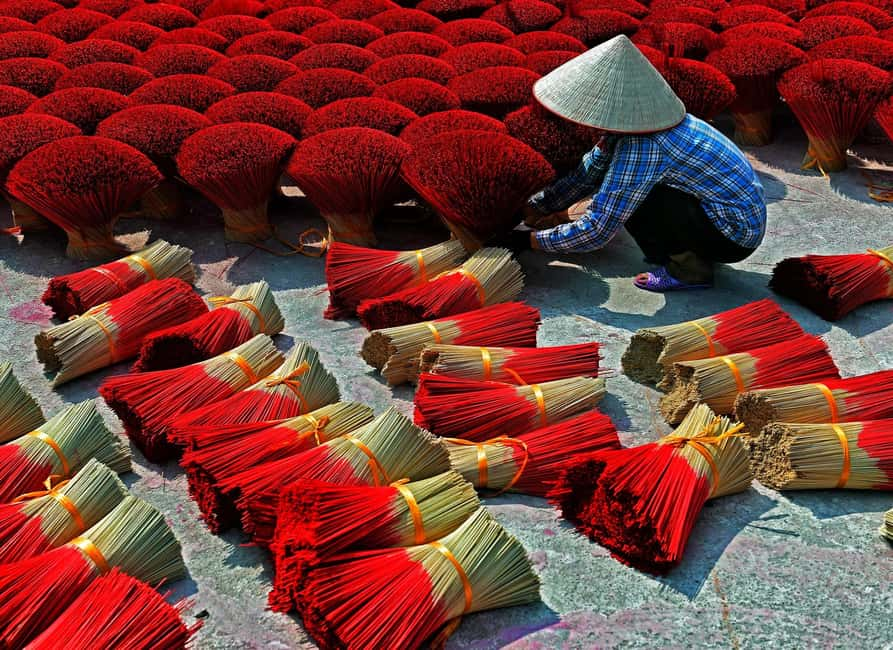
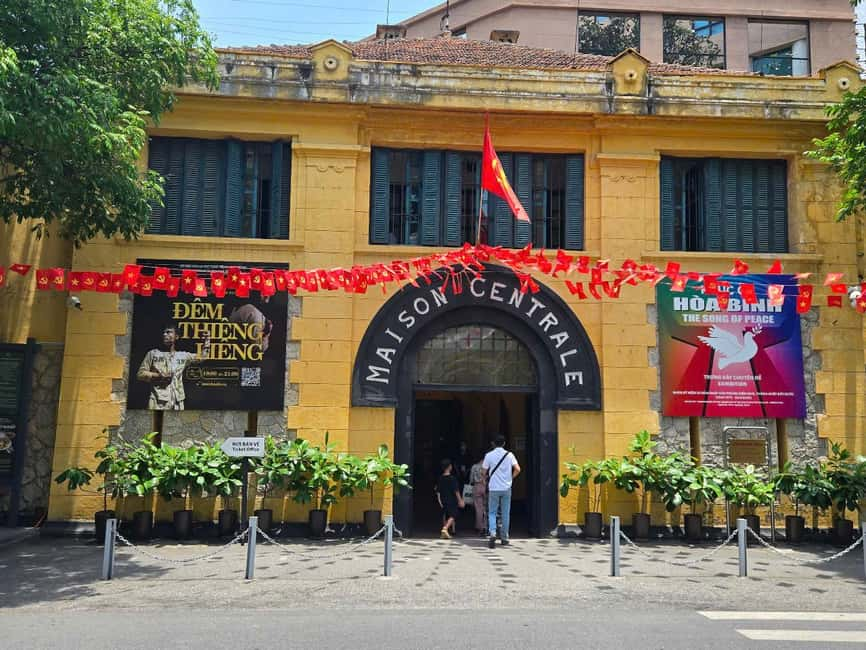
- Hoa Lo Prison also goes by Maison Centrale and Hanoi Hilton, tied to both Vietnamese revolutionaries and American POW during the Vietnam War
- Train Street photo window is built in before lunch, so you can plan your camera time instead of guessing
- Temple of Literature is the 10th-century starting point of formal education tied to Confucianism
- Bat Trang hands-on: you make one ceramics sample with an instructor, not just watch
- Red River tea break gives you a breather before the ride back to central Hanoi
Why this Hanoi day tour works so well for first-timers
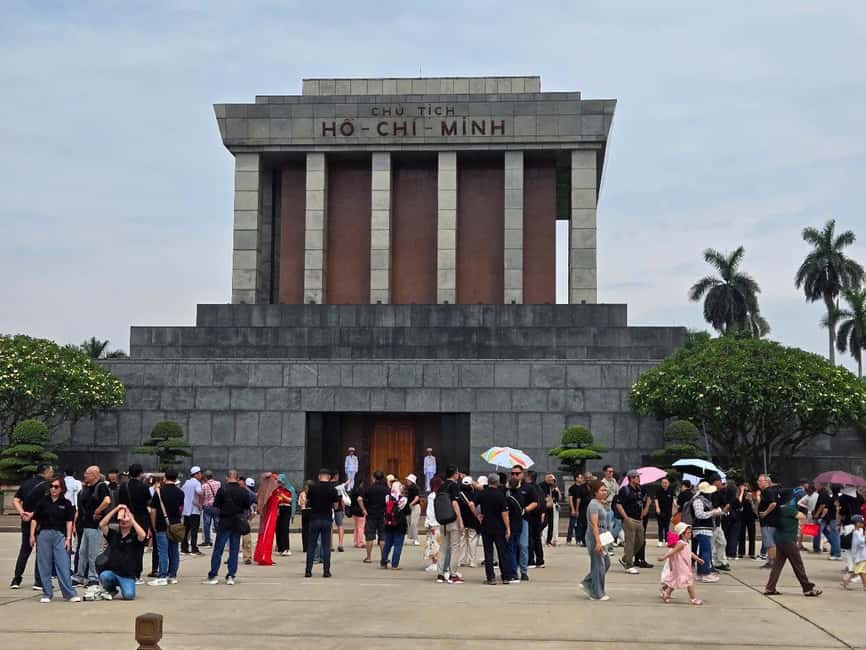
This is the kind of Hanoi tour that helps you get your bearings fast. You start with the national story (Ho Chi Minh Mausoleum and Ba Dinh Square), then you pivot to everyday street energy at Train Street, and you close with culture and craft at Temple of Literature and Bat Trang.
I like that the pacing feels intentional. You’re not stuck in a single theme all day, and you still hit the big “must-see” names that most visitors build their itinerary around.
And it’s not just sightseeing for photos. Each stop has a reason: Hoa Lo Prison explains the tensions of the 20th century, while Bat Trang shows how Vietnamese craftsmanship survives and exports today.
You can also read our reviews of more tours and experiences in Hanoi.



Morning: Hoa Lo Prison and Ba Dinh Square in one clean storyline
Your day begins with an early pickup—around 7:30 to 7:45 am—from hotels in the Hanoi Old Quarter area by limousine A/C bus. If you’re staying outside the Old Quarter, you’ll meet at the scheduled meeting point at 7:20 am so you can catch the bus later.
First stop is Hoa Lo Prison. It’s famous under multiple names: Maison Centrale in Hanoi, and the Hanoi Hilton nickname. The site helps you understand why this place became a symbol—Vietnamese revolutionaries were held there, and American POW were also kept there during the Vietnam War.
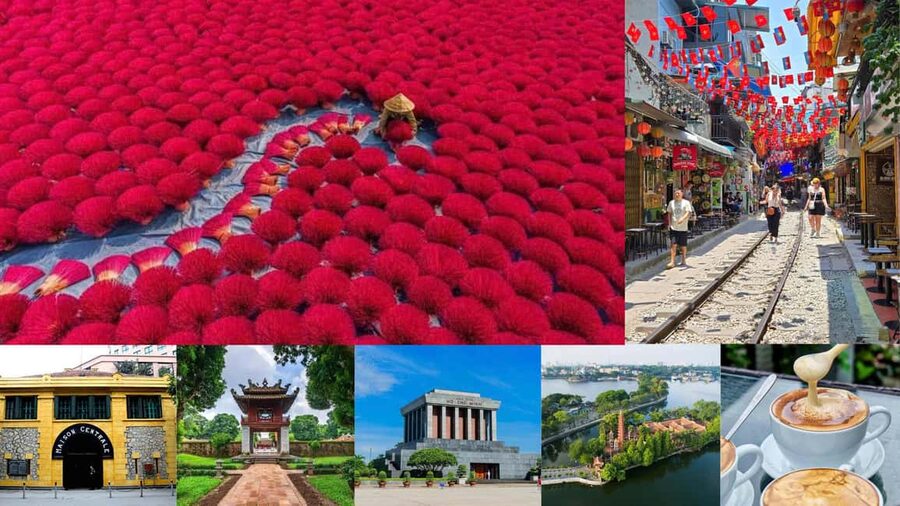
After that, the tour goes to Ho Chi Minh Mausoleum and then on to Ba Dinh Square. This is where the story turns from one difficult chapter to national identity. At Ba Dinh Square, you can see the Parliament House of Vietnam area, and the guide points you toward the historical significance of Sept 2, 1945, when Ho Chi Minh declared Vietnam’s independence.
If you care about context (even a little), this morning grouping is efficient. It connects politics, symbolism, and place—so the landmarks feel like more than “we stood here” stops.
Ho Chi Minh Mausoleum closure days: what you’ll see instead
Plan around the schedule. The Ho Chi Minh Mausoleum is closed on Mondays and Fridays.
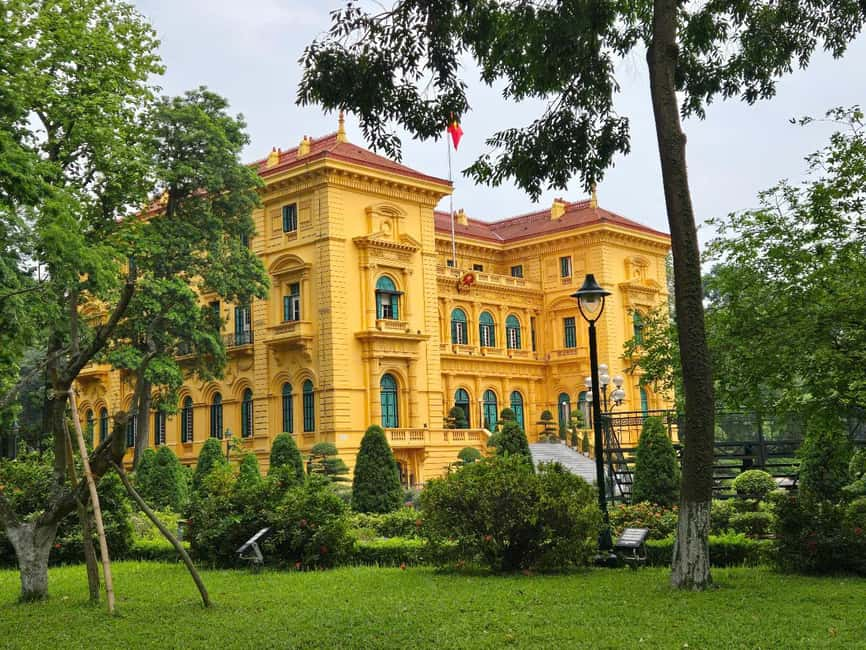
If your tour falls on those days, you’ll still visit the surrounding area instead. The substitutions listed include highlights such as the One Pillar Pagoda, the Presidential Palace and gardens, and the nearby house on stilts area.
This matters because it changes the feel of the morning. You’ll still get the Ba Dinh Square zone and the historic surroundings, but you won’t experience the mausoleum itself. If you want that specific interior visit, check your departure day before you book.
Train Street photo time: how to enjoy the main event
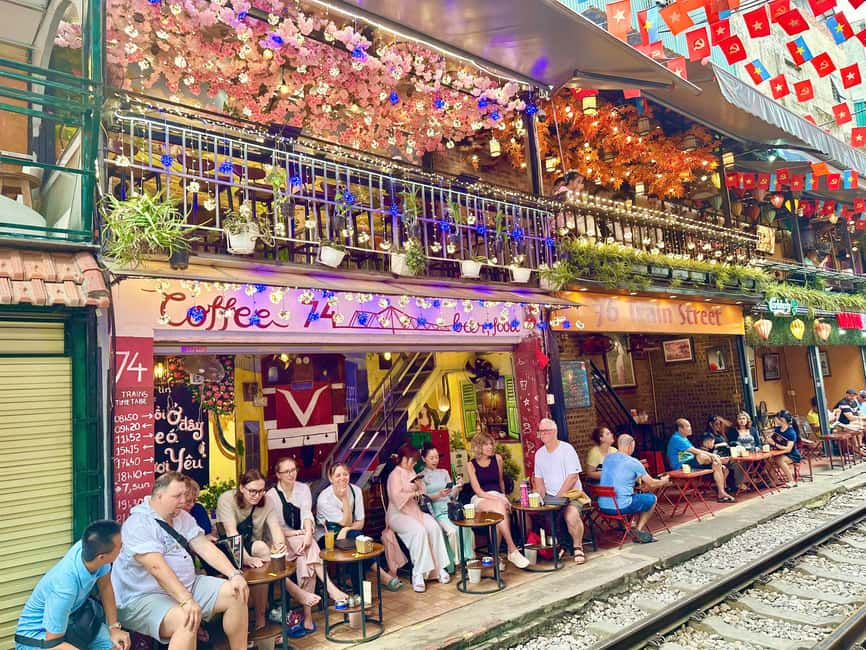
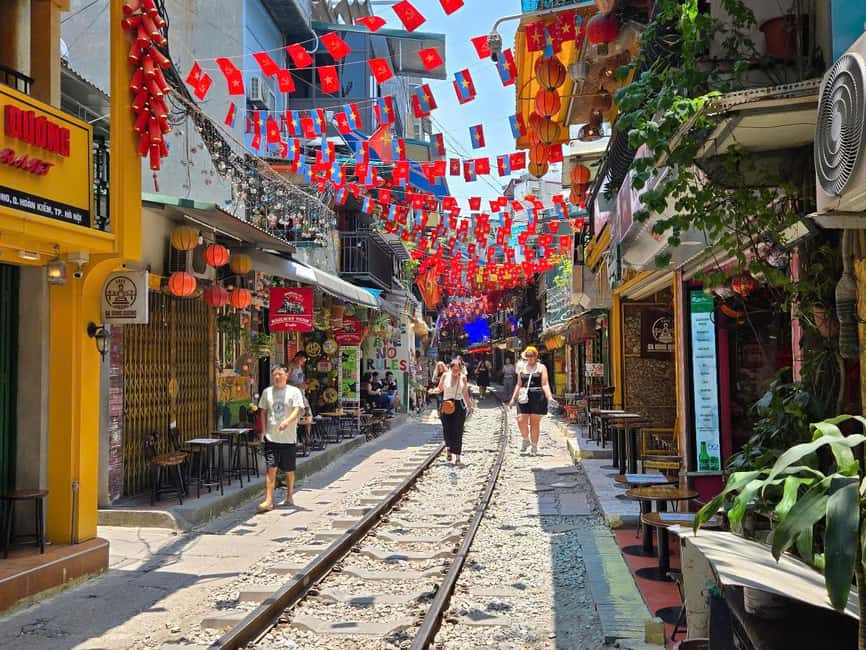
Before 11:30 am, you arrive at Train Street with time to set up for photos and videos of the train returning to Hanoi Railway Station. This is the part most people remember most clearly because it’s unusual and visually loud—trains, tight streets, and people lining up for the moment.
The key is to treat this as a guided “photo session,” not a free-roam hangout. Your group gets positioned so you can capture the passing train safely and on schedule. Wear comfortable shoes because you’ll likely be standing and moving in a small urban space.
Also, keep your expectations realistic. Train Street is famous for attention, so you should expect crowds and a waiting rhythm. The tour’s value here is that it builds the train moment into the day rather than leaving you to hunt it down on your own.
Lunch at Train Street: Bun Cha or Banh My, close to the action
Lunch is built in right after the Train Street photo window, so you don’t lose the momentum of that morning.
You’ll have lunch with Bun Cha / Banh My (the exact option depends on what the tour provides that day). Eating here is practical: you’re already in the right area, and you don’t have to travel far after the train moment.
One small tip: if you’re taking lots of photos, your hands and phone battery will be tired. Eat early enough to recharge your own energy too—then you’ll be ready for Temple of Literature after the midday transfer.





Temple of Literature: a 10th-century school you can still picture
In the afternoon, the schedule moves to Temple of Literature at about 13:30. This site is often described as Vietnam’s first university, dating back to the 10th century. The tour focuses on the educational tradition connected to Confucianism and Vietnamese learning practices.
What I like about this stop is that it’s not just a temple visit—it’s a lesson in how education shaped society. You’ll see landmarks such as the Khue Van Pavilion and the Doctor Stelaes on turtle’s backs. Those turtle-backed stelaes matter because they represent how scholars were recognized and how achievements were carved into lasting public memory.
There’s also a practical side. Temple of Literature works well for travelers who want something quieter after Train Street. You can slow down, take in the architecture, and read the space as a place of study rather than a place of spectacle.
Bat Trang pottery village: make one sample, not just souvenirs
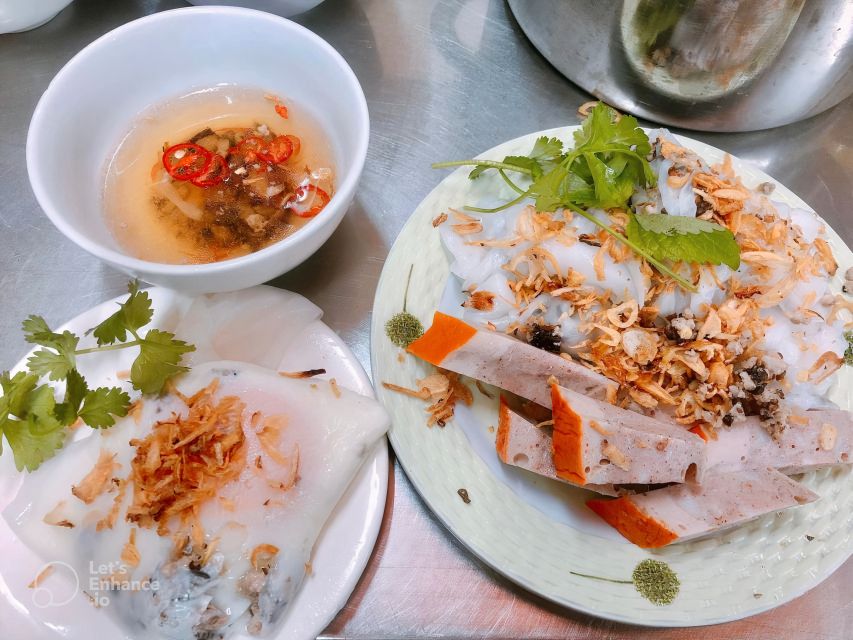
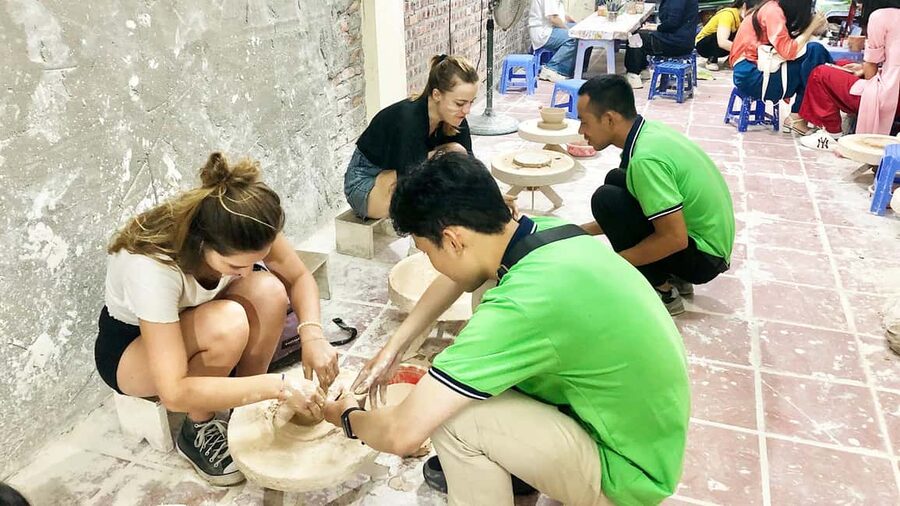
Next you ride to Bat Trang pottery village (about 45 minutes on the bus). Bat Trang is known for ceramics made for both domestic use and export.
The tour includes a pottery workshop visit where you can watch artisans at work. Then comes the best part for hands-on travelers: you practice making one ceramics sample with an instructor.
That one-made-item detail is the difference between a “look around” stop and a real experience. Even if you’ve never touched clay before, the guided practice helps you walk away with understanding—how shaping happens, how you work within the process, and what makes ceramics a craft instead of just an object.
Give yourself a little patience here. Your sample isn’t meant to be perfect like a factory product. It’s meant to show you the basics and let you participate.
Red River tea time and the return ride through Hanoi
After the pottery workshop and practice, the tour builds in a tea break around 16:00 with a Red River view. This is a smart pause. You’ve been on your feet, you’ve been indoors and outdoors, and you’ll likely appreciate the chance to reset before the bus ride back.
Then you return to Hanoi city center around 17:00, passing a bridge on the Red River on the way back to the hotel area.
This end timing matters. You get back before the late-night rush, so the day doesn’t swallow your evening plans. It’s a full day, but it doesn’t drag.
Price and value: why $33 can feel fair for this set of stops
At $33 per person, the value depends on what’s included—and here, a lot is covered.
Your tour includes:
- Round trip transfer by limousine A/C bus
- Pickup and drop-off near Hoan Kiem Lake
- An English-speaking guide
- Lunch (Bun Cha / Banh My)
- Entrance tickets including Ho Chi Minh Tomb (40,000 VND), Hoa Lo Prison (50,000 VND), Temple of Literature (70,000 VND), and ceramics sample practice (70,000 VND)
- Water (one bottle per person), plus a cup of tea in the afternoon (for full-day participation)
Entrance fees alone total 230,000 VND from the list. Add lunch and transport, and the price starts to look like less of a “tour premium” and more like a bundled logistics deal.
Just remember what’s not included: drinks during the trip, travel insurance, and tips for the guide. There’s also a 10% government tax listed as not included, plus a holiday surcharge of 200,000 VND per person on certain dates (April 30, May 1, Sept 2, Dec 31, Jan 1, and during Tet holidays).
If you’re traveling in a group and want a structured day with minimal planning, this price can feel like a win. If you only care about one or two stops, it’s worth comparing whether you’d rather pay for fewer targeted experiences.
What to bring, what to skip, and how to stay comfortable
This day involves walking at historic sites and moving around during Train Street. Bring comfortable shoes and comfortable clothes.
The tour notes pets are not allowed, and it also flags that Cyclo or Water Puppet Show can be added as optional extras (with additional cost). If those performances are important to your trip, you’ll want to decide separately after your day ends, since they’re not included by default.
One more planning note: because the Mausoleum has closure days, you should treat your tour date as part of the decision. If you’re set on seeing the Mausoleum itself, avoid a Monday or Friday departure.
Who this tour is best for (and who might want a different plan)
This fits you best if you want a big-hit Hanoi sampler in one go: national landmarks, street spectacle, education history, and hands-on craft.
It’s also a good match if you don’t want to arrange transport between far-apart points like Bat Trang and the Old Quarter. The bus and guide remove the “how do I get there” headache.
You might consider a different approach if you’re chasing ultra-deep time at just one museum or you hate structured schedules. Train Street especially is time-focused, and Temple of Literature is more about walking and absorbing than rushing.
Should you book this Hanoi City Tour?
I’d book it if you want a single day that covers the headline Hanoi experiences without guesswork. The mix of Hoa Lo Prison, Ba Dinh Square, Train Street photo time, Temple of Literature, and Bat Trang ceramics practice is a strong combo for first-timers and returning visitors who missed these specific stops.
I’d think twice if the Mausoleum closure days would fall on your travel dates and seeing the mausoleum interior is a must for you. In that case, the alternative area visits may still satisfy you, but it’s better to know what you’ll be trading away.
If you’re the type who likes a plan, likes to learn as you walk, and wants a souvenir that comes from doing rather than buying, this tour makes a lot of sense.
FAQ
What time does the Hanoi city tour start?
Pickup is scheduled for about 7:30 to 7:45 am from hotels in Hanoi Old Quarter. If you stay outside the Old Quarter, you’re asked to go to the meeting point at 7:20 am.
Where are you picked up and dropped off?
You’re picked up and dropped off at a hotel near Hoan Kiem Lake (or at the meeting point if you’re outside the Old Quarter).
What are the main stops on the itinerary?
The tour covers Hoa Lo Prison, Ho Chi Minh Mausoleum and Ba Dinh Square, Train Street with photo/video time and lunch, Temple of Literature, and Bat Trang Pottery Village.
Is lunch included?
Yes. Lunch is included and it’s Bun Cha / Banh My.
Are entrance tickets included?
Yes. Entrance tickets included are listed for Ho Chi Minh Tomb, Hoa Lo Prison, Temple of Literature, and the ceramics sample practice.
How does the Train Street part work?
You arrive before 11:30 am to get ready for photos/videos as the train returns to Hanoi Railway Station, and lunch follows there.
What happens if the Ho Chi Minh Mausoleum is closed?
The mausoleum is closed on Mondays and Fridays. On those days, the tour visits the surrounding area instead, including places such as the One Pillar Pagoda, Presidential Palace and gardens, and the nearby house on stilts area.
How long is the Bat Trang transfer?
The bus transfer to Bat Trang is about 45 minutes.
Can I add a Cyclo or Water Puppet Show?
Yes, Cyclo or a Water Puppet Show can be added as an optional extra with additional cost.
What should I bring?
Bring comfortable shoes and comfortable clothes. Pets are not allowed.