REVIEW · GUWAHATI
Guwahati Tea Garden Tour with Lunch & Hi Tea (Premium Experience)
Book on Viator →Operated by Amchong Park and Resorts · Bookable on Viator
Tea made me slow down in Assam. This Amchong tea garden tour pairs a real working estate walk with an on-site look at how Assam tea is made—ending with tasting and a vegetarian lunch. You start at the directors’ bungalow with refreshments, then head out in a 4×4 to see nurseries, pluckers, and the factory process from withering to sorting.
I especially loved how close the tour gets you to the basics: tea plants at different stages, the nursery work, and even hands-on plucking when it’s happening. I also liked that the tasting isn’t random—it comes after you’ve watched the tea factory process, so you actually understand what you’re tasting instead of just nodding along.
One thing to consider: there’s no air-conditioned vehicle, and you’ll be walking on estate paths. If you’re not comfortable with moderate activity, plan on taking it slow.
In This Review
- Key highlights at Amchong Tea Estate
- Amchong Tea Estate: Why this tour is worth your half-day
- Getting there from Guwahati: 4×4 ride, easy logistics
- Welcome at the directors’ bungalow: start with the right context
- Tea nurseries and plantations: where the work actually begins
- What to watch for on the walk
- The tea factory walk: withering to sorting, step by step
- Tea tasting plus snacks: how to taste with better instincts
- One small tasting tip
- Assamese vegetarian lunch: farm-to-table feel on the estate
- What lunch gives you
- What’s included (and what isn’t): plan your expectations
- Price and value: is $28.08 a fair deal?
- Who this tour suits best (and who should rethink)
- Small details that make the day smoother
- Should you book the Guwahati Tea Garden Tour with Lunch & Hi Tea?
- FAQ
- How long is the Amchong tea garden tour?
- Where does the tour start and end?
- Is the tour private?
- What meals and snacks are included?
- Is there an air-conditioned vehicle?
- What should I bring or expect physically?
- Does the tour run year-round and in any weather?
- What is the cancellation policy?
Key highlights at Amchong Tea Estate
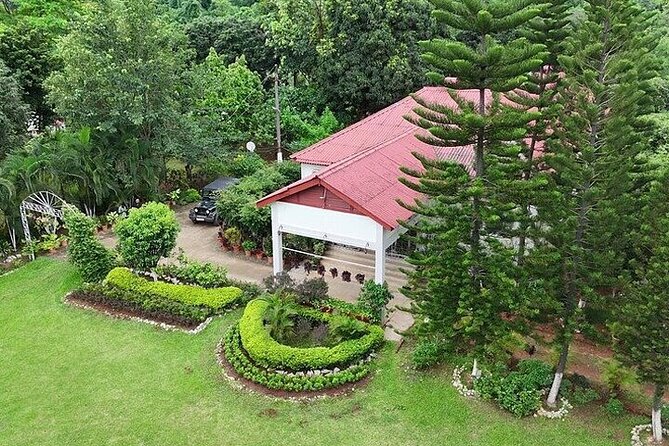
- Nursery and plantation walks that explain how tea is grown and cared for
- Meet the tea pluckers and try plucking if it’s in progress
- Factory stages in order: withering, rolling, fermenting, drying, and sorting
- Tea tasting after the process, so flavors make more sense
- Organic-style Assamese vegetarian lunch served on the estate
Amchong Tea Estate: Why this tour is worth your half-day
If you’ve ever wondered why Assam tea tastes the way it does, this is one of those tours that connects the dots. You’ll see tea plants up close, then move straight into how leaves become tea through each processing step. It’s not just scenery; it’s a practical education that keeps you moving and looking.
I like tours that don’t feel like a slideshow. This one starts with a welcome at the estate’s directors’ bungalow and then gets you walking through tea grounds and nurseries. By the time you reach the factory, you’re already thinking about leaf quality, timing, and how processing changes flavor.
The pacing also helps. You get a clear structure—welcome, estate walk, factory, tasting, then lunch—so you’re not scrambling to figure out what’s next.
Getting there from Guwahati: 4×4 ride, easy logistics
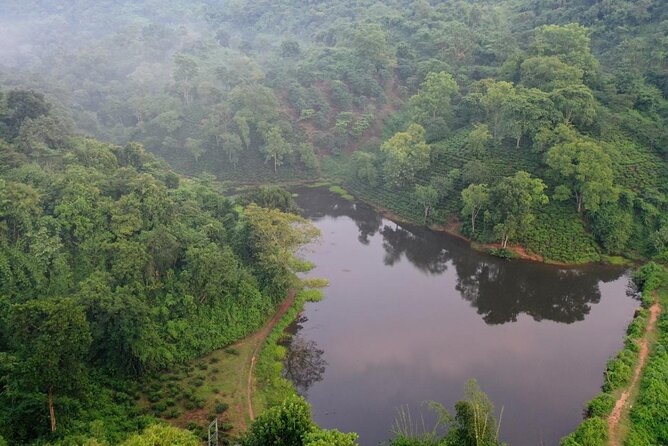
This tour runs about 3 to 4 hours total, and it’s scheduled 8:00 AM to 4:00 PM. The meeting point is Amchong Tea Estate, Jubai No.2, Digaru Gaon, Assam 782401, India, and the tour ends back at the same place.
You’ll board a 4×4 vehicle for the estate journey portions, but this is not listed as air-conditioned. That matters in Assam because heat and humidity can make short rides feel longer—especially if you’re sitting in the sun before you find shade.
Good news: the package includes bottled water, and you also have a restroom on board. Those small comforts matter on tours where you’ll be moving around and outdoors.
Also note the tour is private (only your group), so the guide can slow down for questions and photography without feeling like you’re rushing to keep up with a crowd.
Welcome at the directors’ bungalow: start with the right context
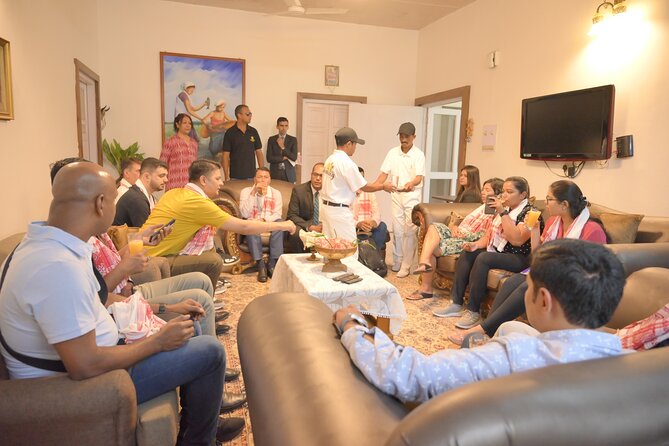
The first stop is a welcome at the tea garden—refreshments, a guide introduction, and the overview you need before you start walking. This is the part I’d call your mental warm-up. Tea estates can look the same at a glance, but once you understand what you’re seeing—nurseries, plantation layout, and the purpose of different areas—the whole visit clicks.
The tour includes a guided walking tour around the Amchong tea estate, with explanations of how tea is grown, manufactured, and tasted. It’s the kind of start that helps you ask better questions later, especially when you’re standing in front of the nursery plants or watching workers at work.
If you’re lucky enough to have a guide like Aman—named in a review as knowledgeable and engaging—that detail-focused style can make the learning feel natural, not forced.
Tea nurseries and plantations: where the work actually begins
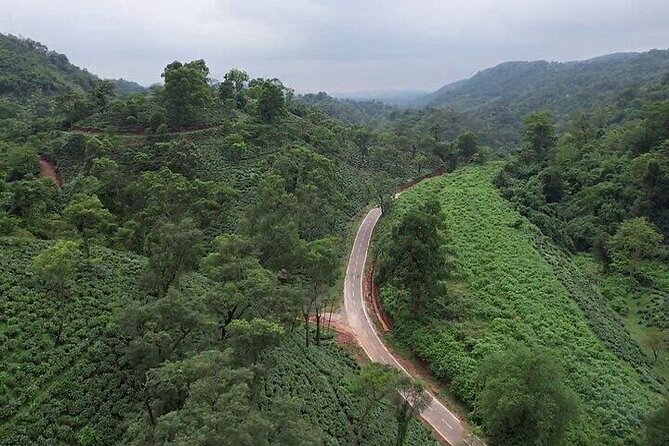
One of the best parts of an estate tour is not the pretty views—it’s the practical work. Here, you get that through the nursery visit and the plantation walk, where you see how Assam tea is grown and nurtured.
The tour explicitly includes seeing the nursery work, meeting or interacting with workers, and (depending on timing) participating in tea plucking. Tea plucking is one of those activities that’s deceptively simple until you try it. The angle, the rhythm, and knowing what to pick all affect how the leaves contribute to the final tea.
And that’s the point: this isn’t just a photo stop. It’s a chance to connect leaf harvesting with what you’ll later taste.
What to watch for on the walk
When you’re walking through the plantations, pay attention to:
- how workers describe timing and growth stages (your guide will help here)
- where nurseries are set up compared with the main growing areas
- how leaf selection is explained right before the factory process
Even if you don’t pluck yourself, the estate context makes the factory visit much more meaningful.
The tea factory walk: withering to sorting, step by step
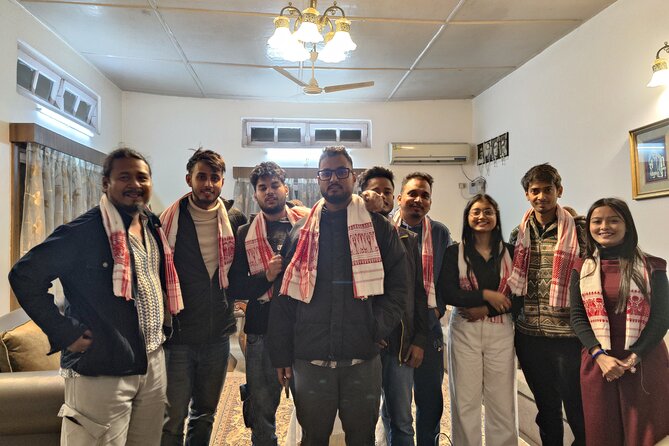
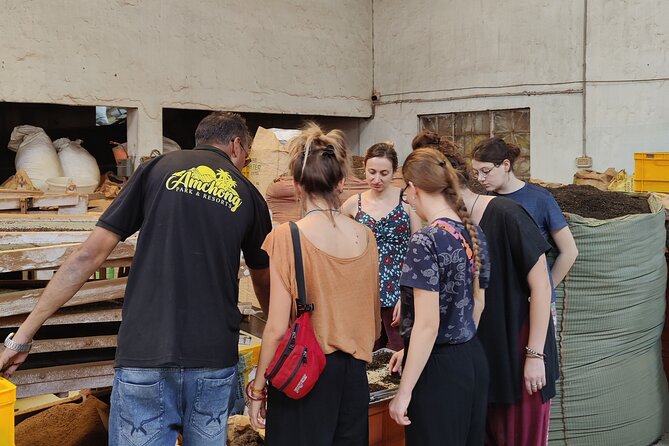
After the estate portion, you move to the Amchong Tea Factory. This is where the tour earns its keep. You’re not just hearing that tea is processed—you’re shown the stages in sequence.
The tour describes these processing steps:
- Withering
- Rolling
- Fermenting
- Drying
- Sorting
That order matters. If you’ve ever tasted teas that feel different—more brisk, more mellow, or with stronger character—these steps are the reason. Withering and rolling affect leaf structure and how it reacts; fermenting influences the chemistry that shapes taste; drying and sorting affect stability and consistency.
I like that the guide explains every step as you move through the stages. It turns the factory into a learning lab. And it also helps you spot quality signals when you’re later offered blends to taste.
A practical note: factory areas can be warm and busy. If you’re sensitive to strong smells, spend more time near your guide’s explanation points and less time lingering in one spot.
Tea tasting plus snacks: how to taste with better instincts
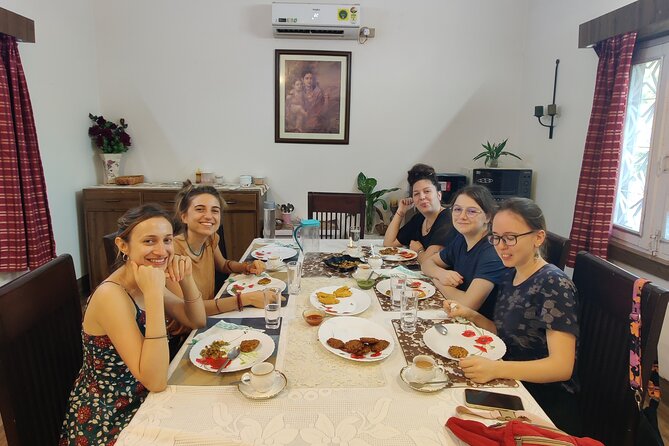
The tour wraps the experience with a tea tasting session, where you can discover premium blends and understand how they reflect Assam’s tea heritage. I’d treat this tasting like a guided “quality check,” not just a sample flight.
Because you’ve seen processing steps earlier, you’ll have a framework. Instead of tasting and guessing, you’re tasting with the process in mind—so even if you don’t know all the technical terms, you can recognize differences and ask better questions.
You also get coffee and/or tea plus snacks: veg sandwich and pakora (onion, potato & tea leaves) served with tea. That’s a smart pairing. It’s enough food to keep energy up, but it doesn’t replace your lunch.
One small tasting tip
As you try the blends, focus on three quick things:
- aroma strength (do you notice it immediately?)
- how the flavor moves (quick snap vs slower finish)
- aftertaste (clean and light vs heavier)
The guide will likely help with flavor notes, but you’ll get more out of it if you start with your own quick impressions.
Assamese vegetarian lunch: farm-to-table feel on the estate
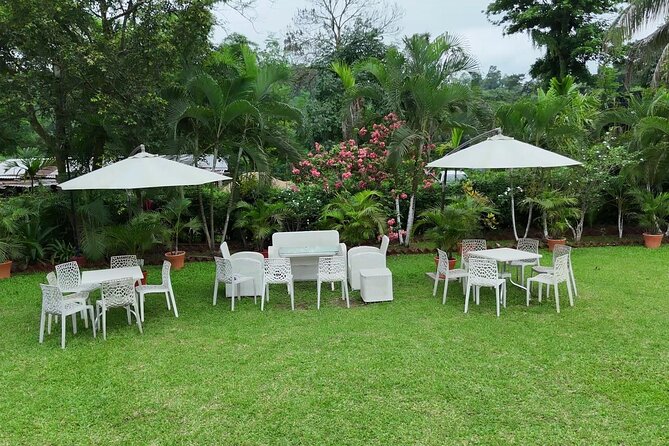
Lunch is served back at the estate area, described as an organic lunch and a farm-to-table experience. The tour package highlights that ingredients are locally sourced, grown within the estate or nearby villages, and prepared using traditional methods.
Even if you’re not a food-nerd, this part matters. Many tea tours stop at tasting and call it done. Here, you get an actual meal that ties back to Assam life—green hills, tea aroma in the air, and comfort food that fits the day’s slow pace.
The lunch is vegetarian and included in the price. If you’re traveling with someone who eats meat, you’ll still be fine here because the tour itself is vegetarian-focused for the meal.
What lunch gives you
- A break after walking and factory time
- Local flavors that balance the tea experience
- A chance to slow down and ask questions you didn’t get time for earlier
What’s included (and what isn’t): plan your expectations
This experience includes:
- Tour guide
- All fees and taxes
- Bottled water
- Coffee and/or tea
- Restroom on board
- Snacks (veg sandwich, pakora) served with tea
- Lunch (complimentary vegetarian)
What’s not included:
- Air-conditioned vehicle
- Dinner
That “no air-conditioning” point is the main thing to weigh. If you’re sensitive to heat, schedule this earlier in the day and take the shade breaks when your guide offers them. For dinner, just plan to eat on your own afterward—this tour is built as a half-day experience.
Price and value: is $28.08 a fair deal?
At about $28.08 per person, this tour isn’t trying to be a bargain-only drop-in. You’re paying for guided access across multiple parts of the operation: estate walk, nursery viewing, factory processing stages, tasting, snacks, and a full vegetarian lunch.
For me, the value comes from the sequence. If the tour was only scenic tea gardens, $28 would be easy to question. But because it includes:
- a guided walk through growing areas,
- an explanation of processing stages (withering to sorting),
- tasting that connects to what you saw,
- and a proper lunch,
…it feels like you’re buying learning time plus a full food experience, not just transportation to a viewpoint.
Also, it’s booked about 5 days in advance on average, which suggests you might want to plan ahead if your travel dates are tight.
Who this tour suits best (and who should rethink)
This is a great pick if you like practical travel—seeing how things are made and how people work. It also works well for:
- couples who want something different from temple-and-market days
- families looking for a structured outing with learning
- nature lovers who appreciate working landscapes, not just scenic ones
- tea fans who want the logic behind Assam flavors
The tour asks for moderate physical fitness, since it includes walking around the estate. You don’t need to be an athlete, but you should expect uneven ground and time on your feet.
If you hate walking or want a fully seated tour with minimal outdoors time, you’ll probably find this more active than you expected.
Small details that make the day smoother
A few practical points that can save you stress:
- Bring a light layer if you tend to feel cooler in shaded factory areas.
- Plan your photography timing around the guide’s explanations so you don’t miss the key points.
- Since you’ll be on-site and tasting, keep some curiosity ready—ask about what you’re sampling and how it links to the processing steps.
Before you leave, you can also purchase tea as keepsakes or gifts. That’s useful if you want to bring home something that matches what you learned on the day.
Should you book the Guwahati Tea Garden Tour with Lunch & Hi Tea?
If your goal is to understand Assam tea, this is a yes for me. The big win is the order: estate work first, factory stages next, tasting last—so the day makes sense as one story.
I’d book it if you like hands-on learning, don’t mind walking a bit, and want a meal that feels like part of the experience, not an add-on. It’s also a strong choice for families because the pacing is clear and the guide can explain details at a comfortable tempo—especially if you get a guide like Aman, praised for detailed, engaging explanations.
Skip it only if you’re very heat-sensitive or you want minimal walking outdoors. Otherwise, this feels like one of those half-days in Assam that leaves you with more than photos—it leaves you with understanding.
FAQ
How long is the Amchong tea garden tour?
The tour typically runs about 3 to 4 hours.
Where does the tour start and end?
It starts at Amchong Tea Estate (Jubai No.2, Digaru Gaon, Assam 782401) and ends back at the meeting point.
Is the tour private?
Yes. It’s listed as a private tour/activity, so only your group participates.
What meals and snacks are included?
You get snacks (veg sandwich and pakora served with tea) and a complimentary vegetarian lunch. Coffee and/or tea are also included.
Is there an air-conditioned vehicle?
No. The package notes that an air-conditioned vehicle is not included.
What should I bring or expect physically?
The tour suggests you have moderate physical fitness, since it includes walking around the estate.
Does the tour run year-round and in any weather?
The experience requires good weather. If it’s canceled due to poor weather, you’ll be offered a different date or a full refund.
What is the cancellation policy?
Free cancellation is available. You can cancel up to 24 hours in advance for a full refund; within 24 hours, the amount paid is not refunded.