REVIEW · HANOI
From Hanoi: 2-Day Sapa Trek Tour – Luxury Limousine Transfer
Book on GetYourGuide →Operated by DragonflyCruise.com · Bookable on GetYourGuide
Sapa starts before breakfast, in a comfy limousine. I love the English-speaking local guide and the Cat Cat waterfall trek, where you’ll walk into the valley and meet the Black Hmong way of life. The main thing to watch is timing—when pickup slips, the whole day can feel rushed.
The good news: once you’re in Sapa, the tour runs like a smooth relay—short trek on Day 1, longer village walk on Day 2, hotel/homestay in between. You’ll get proper time for the views around Fansipan and the rice-terrace area, without having to plan buses, tickets, or logistics yourself.
One more practical note: the Day 2 walk is no joke. It covers about 9–12 kilometers and can be muddy, so you’ll want real hiking shoes and a backup set of clothes if you don’t like damp surprises.
In This Review
- Key things to know before you go
- Leaving Hanoi in a Luxury Limousine: What the Long Ride Really Feels Like
- Lao Cai Stop and Sapa Arrival: Costumes, Snacks, and First Views
- Day 1 Trek to Cat Cat: Black Hmong Stories and the Waterfall Power Station
- Charm Sapa Hotel or Homestay Night: Comfort in the Cool Mountain Air
- Day 2 Rice Terraces to Lao Chai and Ta Van: The Best Views and the Real Trek
- Meals on the Mountain: Vietnamese Set Menus and Vegan Options
- Guides, Groups, and Pacing: How the Best Parts Happen
- Price and Value at $189: When This Feels Like a Deal
- Who This 2-Day Sapa Trek Is For (and Who Should Skip It)
- Booking Checklist: What to Pack and How to Avoid Common Traps
- Should You Book This Tour? My Practical Verdict
- FAQ
- What is included in the $189 per person price?
- How long is the tour, and what time does it start?
- Where is pickup in Hanoi?
- What are the main treks on each day?
- How challenging is Day 2?
- Can I skip the long Day 2 trek?
- What should I bring for the trek?
Key things to know before you go
- Luxury limousine transfer (air-conditioned) keeps the long Hanoi to Sapa ride comfortable.
- Cat Cat Village (Black Hmong) plus a trek to the waterfall area near a French-built power station.
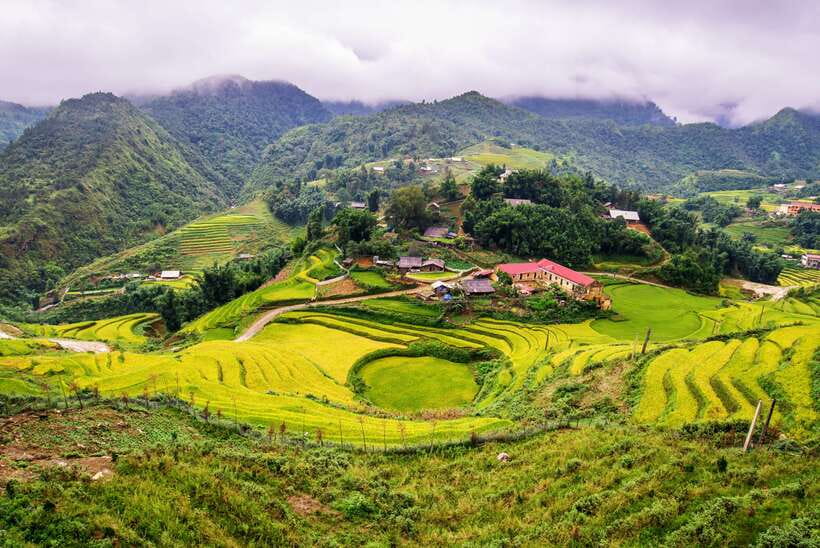
- Lao Chai and Ta Van villages walk through rice terraces and along Muong Hoa streams.
- Hotel or TaVan homestay option gives you a real overnight in Sapa’s cool mountain setting.
- Meals are included with multiple set-menu choices, including vegan options.
- Small-group pacing is built around your ability on Day 2’s longer trek.
Leaving Hanoi in a Luxury Limousine: What the Long Ride Really Feels Like
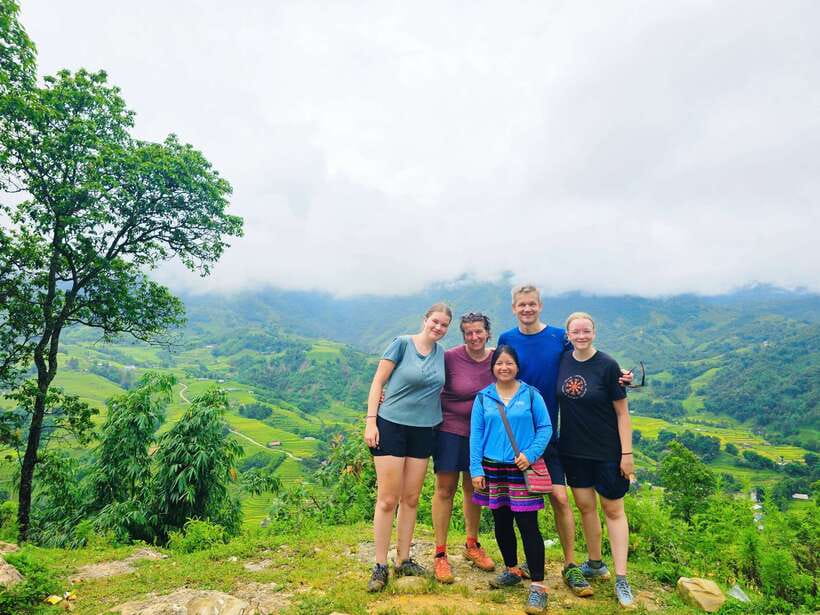
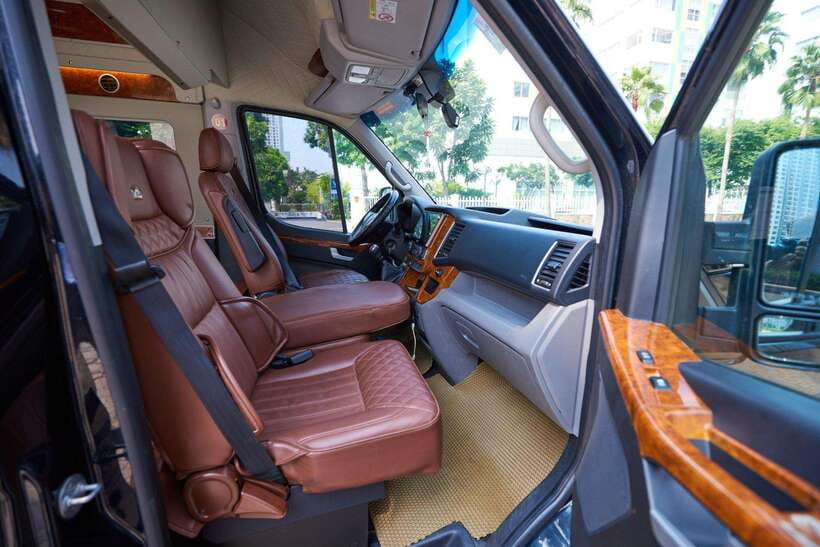
This tour’s value starts with transport. You’re not commuting like a local bus passenger. You’re in an air-conditioned limousine transfer that gets you out of Hanoi and up toward Lao Cai and Sapa without you juggling tickets or timetables.
Still, plan your expectations around travel time. You’ll leave Hanoi in the morning, and the drive is long. There are breaks along the highway, and you’ll pass through Lao Cai before reaching Sapa. The road climb is part of the experience—morning light on the hills and terraces can be stunning if you’re awake and not buried in your phone.
Also, the driver from Hanoi to Sapa speaks very little English. That’s normal for long-distance road travel here. The tour guide will handle communication once you’re in Sapa, which is when things matter most.
You can also read our reviews of more tours and experiences in Hanoi.



Lao Cai Stop and Sapa Arrival: Costumes, Snacks, and First Views
On Day 1, you’ll stop in Lao Cai city before arriving in Sapa. You’ve got time for breakfast on your own there, then the group continues onward.
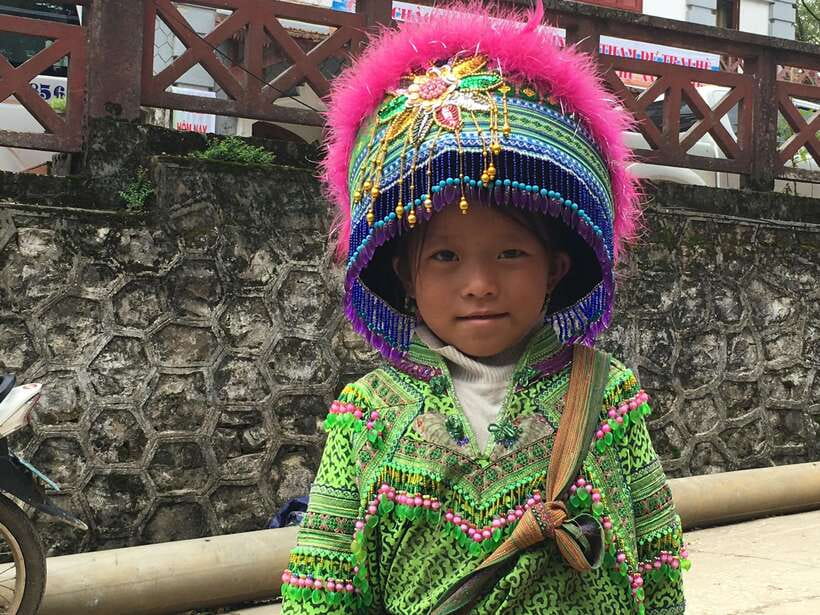
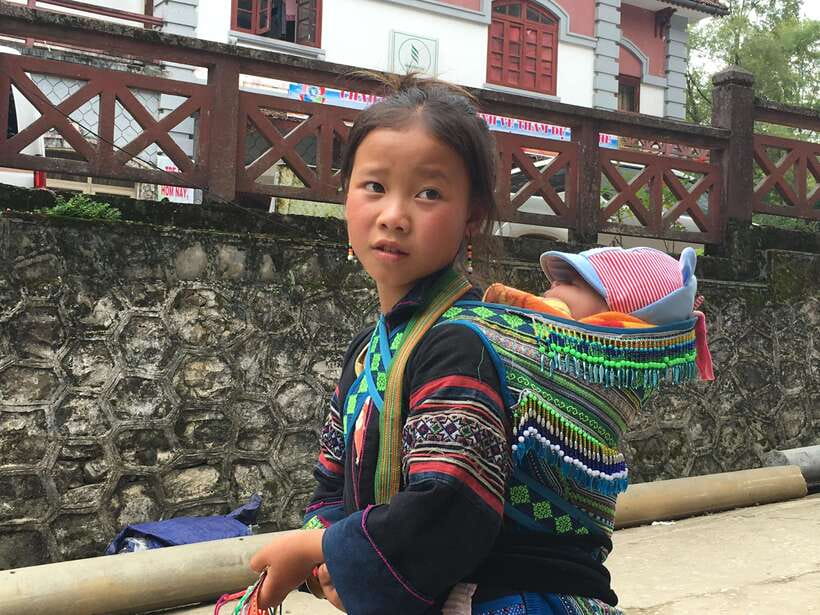
What makes this stop worthwhile is the first cultural hit. Lao Cai is where you’ll see colorful traditional clothing—H’mong, Dzao, and Tay people in everyday life. It’s a quick moment, but it sets context for what you’ll see again in the villages.
Once you arrive in Sapa, you’ll head to lunch at the hotel (or similar), then ease into the first trek. If you’re arriving from the hot lowlands, Sapa’s cooler air can feel like a shock at first. Pack for layers, even if Hanoi is warm.
Day 1 Trek to Cat Cat: Black Hmong Stories and the Waterfall Power Station

Day 1 is your warm-up day, but it’s still a proper trek. After lunch, you’ll go to Cat Cat village, home to the Black Hmong community. The village sits near the bottom of a deep valley near Fansipan Peak, so you immediately get dramatic topography—views that make the trek feel like more than just walking from point A to point B.
Your guide gives context on daily life as you move through the area. Then you’ll trek down toward the waterfall zone, including stops near where the French built a hydraulic power station.
The walking is described as about 3 kilometers and roughly 2 hours. You’ll go downhill, then you’ll return uphill—so even if the distance sounds reasonable, your legs will remember it.
A few smart things to do here:
- Bring sunglasses and expect bright reflections in the valley.
- Take pictures on the down segment, not only on the return. The angles change fast.
- If rain has been around, the ground can get slick. Comfortable shoes are non-negotiable.
When you’re done, you’ll return to Sapa Town. Evening time is yours—dinner is not packed into the schedule here, so you can wander without feeling herded.
Charm Sapa Hotel or Homestay Night: Comfort in the Cool Mountain Air
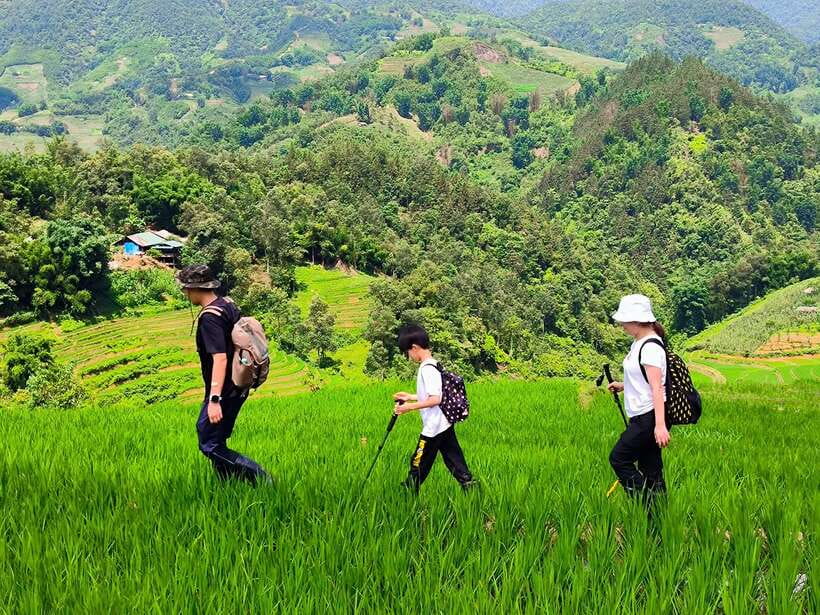
Overnight is part of the appeal because you’re not just passing through. You’re sleeping in the Sapa area, with options such as Charm Sapa Hotel or a homestay at Ta Van, depending on what you choose.
Check-in at the hotel is at 13:30, and check-out is 10:00. If your room isn’t ready right away, you’ll typically adjust by using the afternoon schedule and storing luggage where available. For the homestay option, you’ll usually spend more time with hosts, but you should still expect simpler rooms than a city hotel.
One practical thing: Sapa is cold compared to Hanoi. Even during warmer months, evenings can feel chilly, and that matters if you’re damp from trekking. Dry layers make a difference.
You should also keep your standards realistic. Some travelers have reported hotel rooms that felt less polished than expected. The experience can still be great, but the overnight quality is not guaranteed at a luxury level, especially if you choose a basic hotel category.
Day 2 Rice Terraces to Lao Chai and Ta Van: The Best Views and the Real Trek
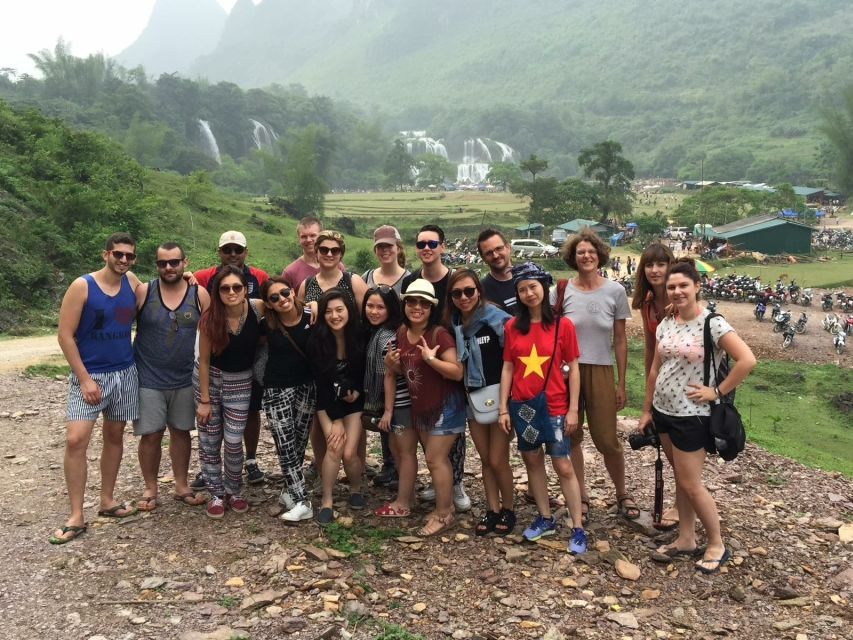
Day 2 is the big one. After breakfast, you’ll pack light for trekking and store the rest of your luggage at reception.
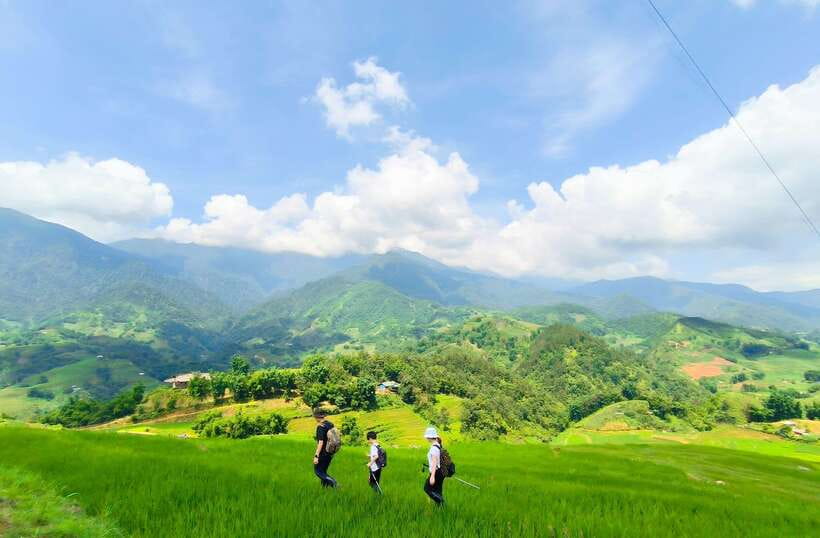
Then comes Lao Chai village—a walk through rice terraces and along the Muong Hoa streams. This is where the scenery becomes the main character. You’re walking through a shaped world of terraces and water, with villages threaded into the hills.
From there, you’ll move on to Ta Van village, home to the Dzay people. Your guide builds the best route based on your trekking ability, but the overall effort is significant.
The trek is typically around 3.5 hours and covers 9–12 kilometers. That distance is your main consideration. If your fitness is moderate, you can still do it—but you need steady pacing and good footing. If you hate mud, you’ll probably feel it anyway.
A helpful detail: you’ll return by pickup from Ta Van Bridge back to Sapa. That’s efficient. You don’t have to walk the entire loop back into town.





Meals on the Mountain: Vietnamese Set Menus and Vegan Options
Food is handled for you here, which is a big deal when you’re doing a two-day trek. You’ll get 2 lunches and 1 breakfast. In practice, lunch can shift around your timing, but you’re given vouchers for meals.
The tour lists set menus such as:
- Pumpkin soup
- Stir-fry chicken with mushrooms and a Sapa salad
- Sauteed vegetables local style
- Steam rice
- Seasonal fresh fruit
Other menu choices include marinated sizzled beef on an iron plate and spring rolls. There are also vegan menus, including vegetable soup, tofu preparations, vegan fried dishes, and vegan-friendly iron-plate options.
Practical tip: if you’re trekking hard, fruit and rice are not filler—they’re fuel. Eat what’s offered, even if you’re not in a big appetite mood after walking.
Guides, Groups, and Pacing: How the Best Parts Happen
The difference between a decent trip and a great one is the guide. This tour uses a local guide in Sapa and runs in English. Multiple guides show up across different departures—names you might run into include Chang, Tai My, Vang, Nhu, Mi, Kathy, Dong, Emiel, and others.
Here’s what matters, regardless of the name:
- They explain what you’re seeing, not just where you’re going.
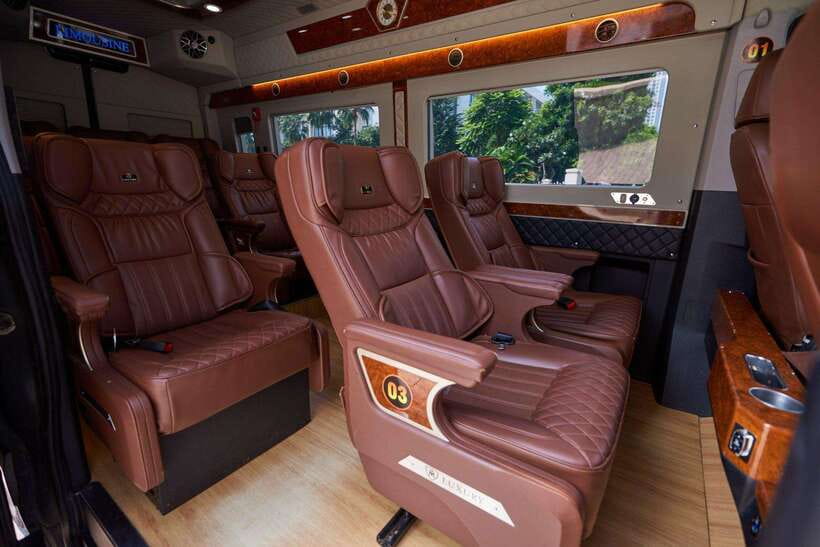
- They adjust Day 2 pacing depending on trekking ability.
- They help you understand village life, including the rhythms of H’mong and Dzay communities.
Group size is also important. You’ll have a small group, which means you’re not spending the entire day waiting for 30 people to find a shoe lace.
One small downside to keep in mind: transfers and meal vouchers can get confusing in edge cases. A few travelers have had mix-ups like not receiving the correct number of meal sets for voucher holders. To avoid stress, I’d suggest checking meal vouchers early at the hotel and asking your guide to confirm timing.
Price and Value at $189: When This Feels Like a Deal
At $189 per person for a 2-day experience, the value comes from what’s bundled together.
You’re paying for:
- Roundtrip air-conditioned limousine transportation
- Local English-guided treks
- Hotel or homestay accommodation
- Meals (two lunches, one breakfast)
- Entry tickets to indicated sites
If you tried to DIY this, you’d spend time sorting transport from Hanoi, setting up guides, finding homestay arrangements, and coordinating meals around trek distances. That’s time you don’t have when you’re on a short Vietnam trip.
So when does it not feel like a bargain? If you arrive expecting a guaranteed luxury-level hotel room experience at the top tier, you might be disappointed. Some overnight places can be older or less comfortable than what the marketing suggests. The trekking and guide quality can still be excellent, but lodging standards vary.
That’s the trade-off: you’re buying convenience and organization for the region’s most popular trekking routes.
Who This 2-Day Sapa Trek Is For (and Who Should Skip It)
This is a great fit if you want:
- Guided village trekking without planning the route yourself
- A classic Sapa mix of Cat Cat, Lao Chai, and Ta Van
- A structured two-day itinerary with meals handled
- A comfortable ride up from Hanoi that doesn’t eat your whole day
It’s less ideal if you:
- Don’t handle cold weather well (bring layers)
- Have back problems or mobility limits
- Are looking for a fully wheelchair-friendly route (treks are part of it)
- Travel with very young kids (children under 6 aren’t recommended for the treks)
- Are pregnant (not suitable per the tour’s guidance)
Booking Checklist: What to Pack and How to Avoid Common Traps
Before you go, pack for real mountain trekking, not just photos.
Bring:
- Comfortable shoes with grip
- Rain gear (Sapa can shift quickly)
- Sun hat and sunglasses
- Passport or ID card
And do the one thing that saves your trip: pack a second set of clothes. Mud is common, and you’ll feel better after a long walk if you can change.
Also keep your day-2 decision flexible. If you don’t want to do the full Lao Chai–Ta Van trek, your tour leader can help arrange an alternative visit—but you’re responsible for ticket and transportation costs for that swap. If you’re unsure, ask your guide about effort level on Day 1 so you can plan calmly.
Finally, note the driver language situation. Since the Hanoi driver speaks very little English, you should rely on your Sapa-side guide for explanations and quick solutions.
Should You Book This Tour? My Practical Verdict
Book it if you want a well-paced, organized way to see Sapa’s top villages in two days—especially if this is your first time in the region and you don’t want to coordinate transport and guides yourself. The Cat Cat valley trek and Day 2 walk through rice terraces to Lao Chai and Ta Van are exactly the kind of guided experience that’s hard to recreate on your own.
Skip or think twice if:
- You’re very sensitive to pickup timing or you hate logistical “wiggle room”
- You expect the highest-end hotel quality no matter which category you choose
- You’re physically not up for a 9–12 kilometer Day 2 trek
If you go in with the right shoes, layers, and a plan for the mud, this tour is one of the cleaner ways to experience Sapa without turning your trip into a spreadsheet.
FAQ
What is included in the $189 per person price?
The price includes roundtrip air-conditioned limousine transfer, a local Sapa guide, 2 lunches and 1 breakfast, all entry tickets to the indicated sites, and either a deluxe hotel room or a TaVan homestay depending on the option you select.
How long is the tour, and what time does it start?
It runs for 2 days. Exact starting times depend on the departure you choose, so you’ll need to check availability for the specific pickup time.
Where is pickup in Hanoi?
Pickup is offered in the Old Quarter of Hanoi (please share your hotel name and address). If you’re not staying in a hotel, you’ll meet at the partner office at 31 Lo Su, Hoan Kiem, Hanoi.
What are the main treks on each day?
Day 1 includes a trek to Cat Cat village with a walk down to the waterfall area near a French-built hydraulic power station. Day 2 includes a longer trek from Lao Chai through rice terraces and along Muong Hoa streams, then to Ta Van.
How challenging is Day 2?
Day 2’s trek is described as challenging, covering about 9–12 kilometers and taking around 3.5 hours. Elderly travelers joining the trek should know it can be difficult.
Can I skip the long Day 2 trek?
Yes. If you don’t want the Lao Chai–Ta Van trek, your tour leader can help you visit another location. You’ll be responsible for any additional ticket and transportation costs.
What should I bring for the trek?
Bring a passport or ID card, comfortable shoes, sunglasses, a sun hat, and rain gear.