REVIEW · HANOI
From Hanoi: 2-Day Luxury Sapa Trekking Tour with Homestay
Book on GetYourGuide →Operated by MOC MIEN RESORT SERVICES COMPANY LIMITED · Bookable on GetYourGuide
Sapa feels different when your day starts on a trail. This 2-day trip blends guided village walks with a real Ta Van homestay, plus the comfort of a round-trip bus so you’re not wasting daylight on transport. You’ll hike through Black H’mong villages like Y Linh Ho and Lao Chai, then shift into Ta Van for a slower, more personal rhythm.
The best parts for me are the guide-led storytelling and the way the route connects Sapa’s communities. I also like the included spring roll cooking class in the homestay, which turns the day’s culture into something you can actually do at the end of it.
One thing to think about: this isn’t a stroll. You’re looking at a moderate-high fitness trek (about 15 km total), and it’s not suitable for pregnant women or wheelchair users—so plan your energy and your footwear.
In This Review
- Key highlights you’ll feel quickly
- Hanoi to Sapa: the overnight bus setup that matters
- Day 1: Y Linh Ho, Lao Chai, and the Muong Hoa Valley crossing
- Y Linh Ho (Black H’mong village): the calm start
- Lao Chai: walking into Muong Hoa Valley vibes
- Lunch and check-in at Ta Van: where the pace changes
- Ta Van homestay: private room comfort plus real culture time
- Day 2: Giang Ta Chai and the Red Dao villages
- What makes this day feel different
- Returning to Sapa and getting back to Hanoi
- Price and value: what you’re really paying for at $110
- Fitness, weather, and what to pack so the trek stays enjoyable
- Who should book this Sapa homestay trek?
- Should you book this 2-day luxury Sapa trekking tour with homestay?
Key highlights you’ll feel quickly
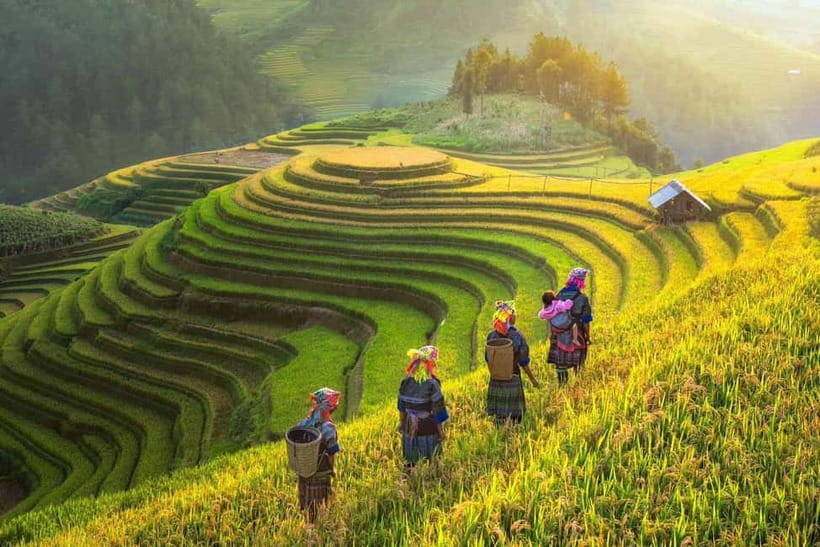
- English-speaking guide support: you’ll get direction and practical context while walking and at the homestay
- Village-to-village walking: Y Linh Ho → Lao Chai → Ta Van, then Ta Van → Giang Ta Chai
- Homestay time that’s not just a stop: private room, meals, and free time to explore Ta Van
- Cooking spring rolls: a hands-on cultural moment after hiking
- Round-trip comfort: sleeper bus out of Hanoi, then VIP cabin bus back
Hanoi to Sapa: the overnight bus setup that matters
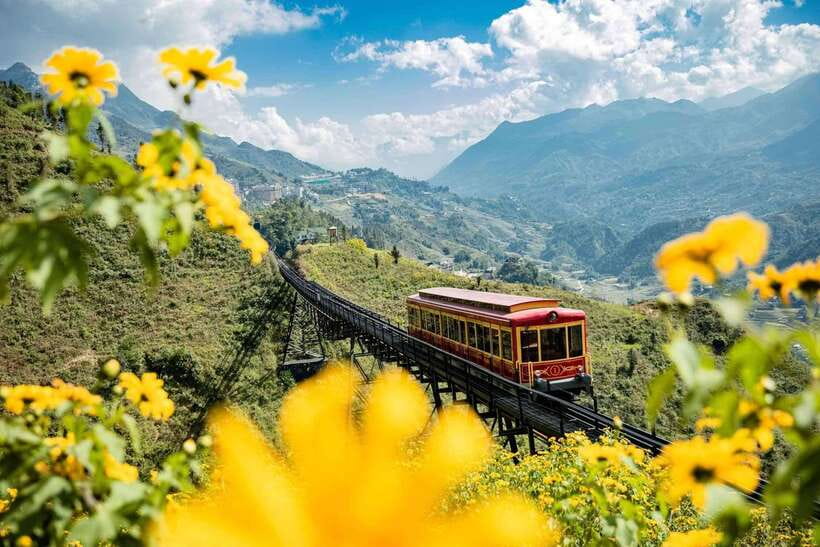
This tour’s schedule is built around saving your daylight. You leave Hanoi at 9:30 PM on a sleeper bus, picked up from Hanoi Capsule Station or your hotel in the Old Quarter. By around 4:00 AM, you’re in Sapa town, which is early—yes—but it sets you up for a full day of hiking without spending your afternoon traveling.
A quick note: you arrive before sunrise routines are fully in motion. The plan is to sleep until about 6:00 AM, then freshen up and get breakfast. That rhythm matters. If you’re the kind of traveler who gets cranky when mornings start with a long transfer, this is still early—but at least it’s planned for you.
You should also pay attention to the transport upgrade on the return day. The second afternoon ends with you boarding a VIP cabin bus back to Hanoi. That’s a nice balance after two trekking mornings—less “sticky bus ride” and more practical recovery time.
You can also read our reviews of more tours and experiences in Hanoi.



Day 1: Y Linh Ho, Lao Chai, and the Muong Hoa Valley crossing
Day 1 starts in a very straightforward way. Around 6:00 AM, the guide picks you up to help you refresh and eat breakfast. Then you begin walking at roughly 8:00 to 8:30 AM.
Y Linh Ho (Black H’mong village): the calm start
Your hike begins with about 6 km southeast of Sapa to Y Linh Ho, described as a charming Black H’mong village. What I like about this start is that it eases you into the trekking day. You’re not dropped onto the hardest section right away—you get time to find your pace, get your legs working, and start noticing details: how people live, what paths connect homes, and how the terrain shapes daily life.
If you end up with a guide like Zem or Sou (names from guide reviews), this part tends to come alive. These guides are praised for keeping things organized and making sure everyone is okay while also explaining village traditions in a way that feels usable, not like a lecture.
Lao Chai: walking into Muong Hoa Valley vibes
After exploring Y Linh Ho, you continue for about 3 km to Lao Chai. To reach Lao Chai, you traverse a small tunnel or bridge connecting you to the Muong Hoa Valley area.
This small crossing is one of those “tiny logistics, big effect” moments. Bridges and tunnels can feel random on a map, but on a trail they mark a transition—your scenery shifts, your energy settles into rhythm, and the route starts to feel like a real journey instead of a sequence of photo stops.
Lunch and check-in at Ta Van: where the pace changes
At 12:30 PM, you have lunch at Ta Van village, then you check in and rest. This is a key part of the itinerary because it prevents the homestay from feeling rushed. Your afternoon isn’t scheduled like a military march. You’re given free time to explore Ta Van at your leisure, and your guide can also point you toward terraced fields and quiet streams if you want that add-on.
By 4:00 PM, you head back to the homestay and rest. This break is smart. Even if you feel fine when you start, your body often “cashes in” later. A built-in reset makes the next activities—especially cooking—more enjoyable.





Ta Van homestay: private room comfort plus real culture time
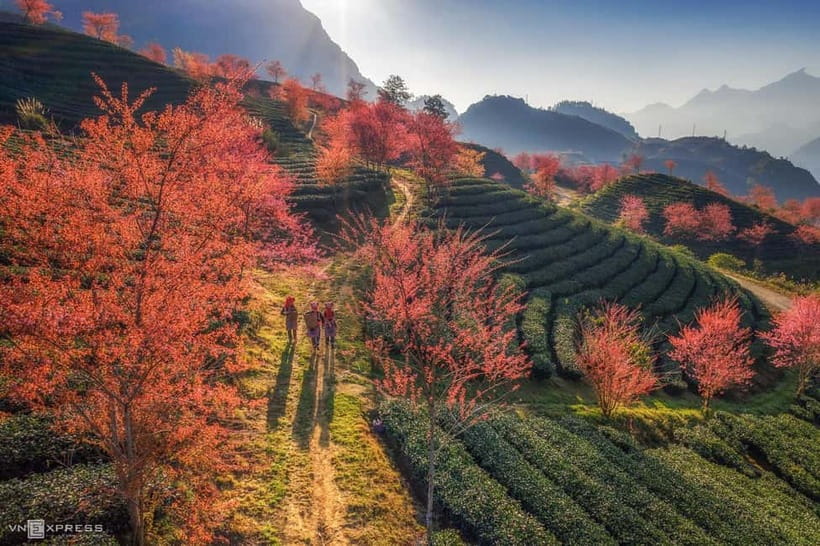
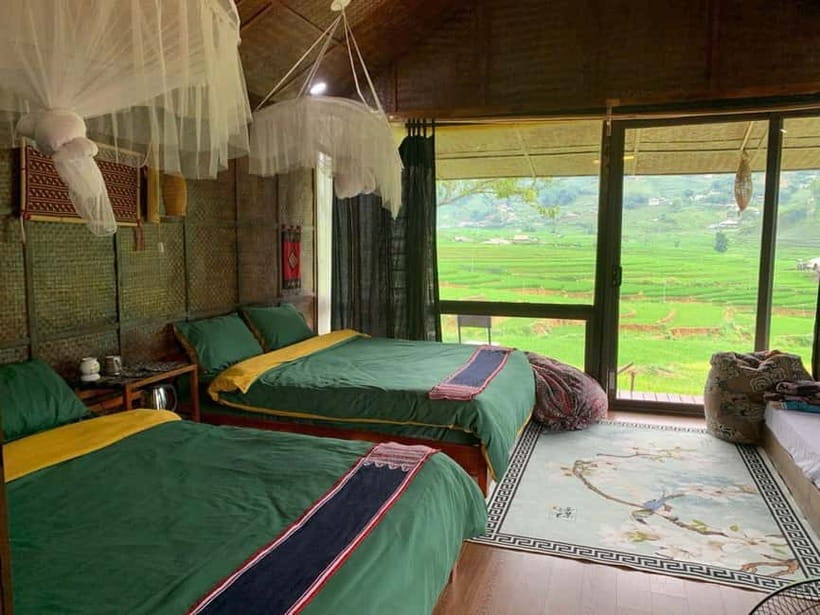
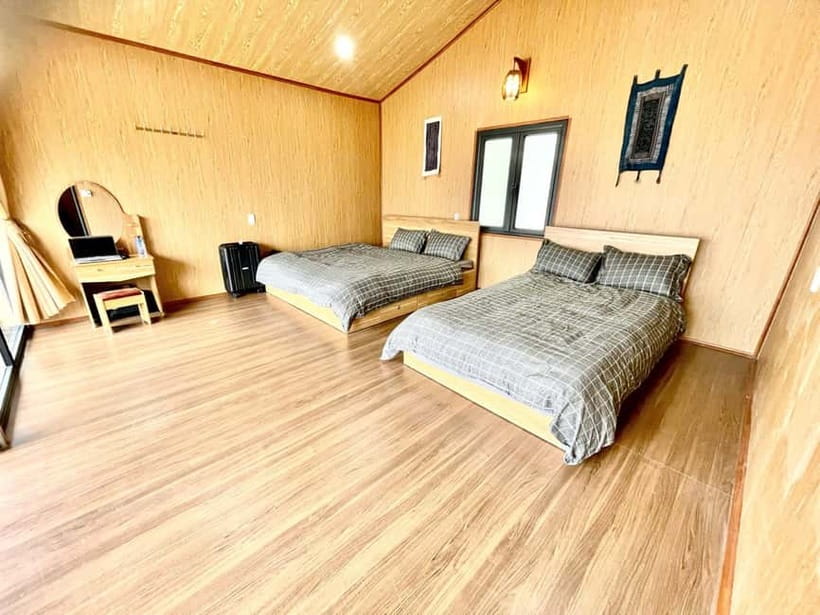
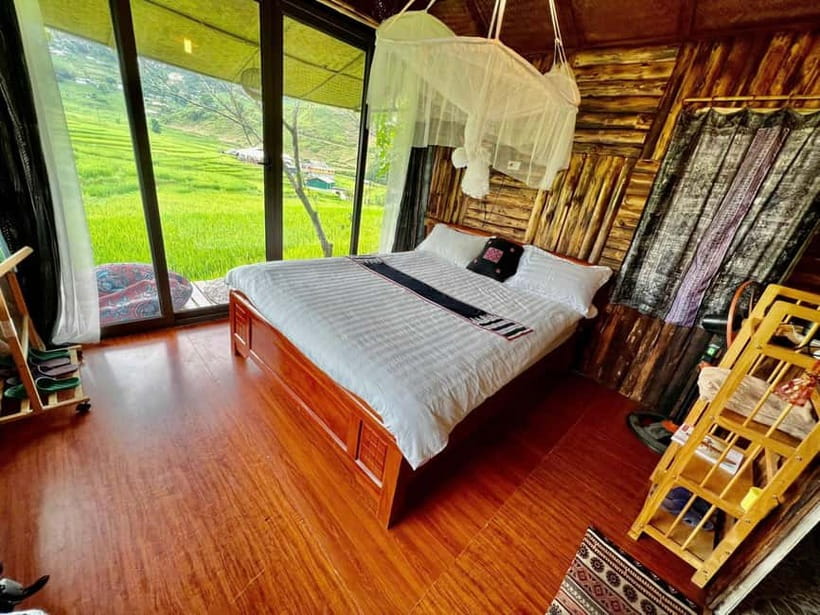
After the walk, the trip shifts into the homestay mode. The plan includes a comfortable night in your private room. That detail matters more than people think. If you’ve done trekking where everyone sleeps on thin mats in a cold room, you know what fatigue does to your mood. A private room helps you recover without feeling like you’re living in a hostel for two days.
Dinner is included at 6:30 PM, and the food is widely praised. I like that it’s not framed as a buffet-style “tourist meal.” You’re eating what the area serves, after hiking, and that makes it feel like part of the day instead of a stop you rush through.
Then there’s the highlight that keeps popping up: spring roll cooking class. You learn to make traditional Vietnamese spring rolls right at the homestay after you’ve had time to rest. For me, this is the best kind of cultural activity—practical, social, and low pressure. Even if you’re tired, you can still participate.
One note based on a balanced look at feedback: some people want more interaction with the homestay host family. The tour does include homestay time and meals, but the exact style of conversation can vary. If you’re the type who wants long, story-filled chats, plan to be curious and ask questions, not just watch.
Day 2: Giang Ta Chai and the Red Dao villages
Day 2 starts with breakfast at 7:00 AM. Then you head out again around 8:00 AM for the trekking portion.
This day is an 8 km trek to Giang Ta Chai, a Red Dao village. You’ll pass through two Red Dao communities, giving you a fuller sense of how the culture shifts from one settlement to another.
What makes this day feel different
If Day 1 helps you get into the rhythm, Day 2 tends to feel more “destination.” You’re moving through communities that have become popular with visitors looking to understand Red Dao traditions and everyday customs. You’ll arrive at a lunch stop at 12:00 PM, then rest at a local restaurant.
This split—trek in the morning, then proper downtime—keeps the day from turning into a grind. It’s also why the tour works for “moderate-high fitness” travelers rather than only hardcore trekkers. You’re working, but you’re not being punished nonstop.
Returning to Sapa and getting back to Hanoi
At 2:00 PM, you return to Sapa Town by car. Then you board the VIP cabin bus between 3:00 and 3:30 PM. You reach Hanoi around 10:00 PM, and you’re dropped near the Hanoi Old Quarter area.
The timing is practical: it gives you a chance to clean up and reset before the long ride. It also means you’re not arriving in Hanoi at 2 or 3 AM, which helps you plan the rest of your trip.
Price and value: what you’re really paying for at $110
At $110 per person, this tour may look “budget-ish” for a two-day overnight experience, but what you’re getting is more bundled than it first appears.
Here’s what’s included:
- Guide (English)
- Round-trip transportation: sleeper bus Hanoi ↔ Sapa, plus VIP cabin bus back
- 1 night homestay in Ta Van
- Meals (breakfast/lunch/dinner as per the schedule)
- Scheduled sightseeing tickets
What that means in real life: you’re paying for three hard-to-solve items at once—logistics, guiding, and a place to sleep. If you tried to assemble this yourself, you’d likely spend time coordinating transport, finding a homestay that fits your dates, and arranging a guide who can manage the trek route.
Are there extras not included? Yes. The tour notes coffee and soft drinks and insurance are not part of the package. That’s normal, but it affects your total spend. If you tend to drink coffee often or want bottled drinks during breaks, budget a little.
In terms of value, the strongest proof is in the way the experience is praised: the guide service, the route, and the overall comfort and food quality. Names like Mao Co show up as considerate and helpful, and guides like Zem and Sou are praised for managing the group and keeping people safe while still teaching you about village traditions.
Fitness, weather, and what to pack so the trek stays enjoyable
The tour is clear about difficulty: it involves a 9-mile (about 15 km) hike and needs moderate-high fitness.
So here’s what you should do:
- Plan on steady pace, not speed. You want your breathing controlled so you can keep going when sun and heat show up.
- Bring comfortable hiking shoes (or at least well-broken-in shoes). Flat sandals are a quick way to ruin the last hour of Day 1.
- Pack rain gear. In northern Vietnam, weather can shift fast.
- Use sunscreen and a hat. The schedule keeps you outdoors in daytime walking.
- Carry water and consider biodegradable insect repellent, since you’ll be walking through areas where bugs can be part of the deal.
Also, the tour isn’t designed for:
- Pregnant women
- Wheelchair users
- People over 95 years
If any of those apply, skip it. The plan is simply too active.
And if you’re wondering about the real “feel” of the trekking: feedback suggests difficulty is often described as medium rather than extreme, but the key is still endurance over two days. Your calves will remember it.
Who should book this Sapa homestay trek?
You’ll enjoy this tour most if:
- You want two real hiking mornings, not just a single short walk
- You like guided cultural context—villages like Y Linh Ho, Lao Chai, Ta Van, and Giang Ta Chai matter to you, not just the views
- You value a private homestay room and included meals after trekking
- You’re happy doing hands-on activities like making spring rolls
You might skip it if:
- You want lots of free time or zero structure
- You expect a super-chatty host-family experience every minute (some people prefer more interaction)
- You’re looking for something easy and sedentary
Should you book this 2-day luxury Sapa trekking tour with homestay?
Yes—if you want an efficient, guided Sapa experience that mixes hiking with homestay life, this is a strong choice. The value is real when you factor in overnight transport, the homestay, meals, and a guide, and the repeated praise for service and food suggests the basics are handled well.
Before you book, be honest about one thing: you’re signing up for about 15 km of walking across two days. If you prepare with good shoes, water, and rain/sun protection, you’ll likely come away with more than photos—you’ll have a clearer sense of how Black H’mong and Red Dao communities live, plus a spring roll skill you can use back home.