REVIEW · BANFF
From Banff: Banff Wildlife & Scenic Highlights Premium Tour
Book on GetYourGuide →Operated by Radventures · Bookable on GetYourGuide
Bears might be late, but golden hour arrives. This 3-hour Banff wildlife drive is built around dusk timing and wildlife corridors, with big window views and classic stops like Bow Falls and Lake Minnewanka.
I love that the guide actually works the day for you, tailoring the route based on recent wildlife sightings and weather. I also love the human touch: guides such as Lubo, Tess, Connie, and Ollie mix sharp wildlife spotting with fun Banff history talk, and in colder months you get hot drinks on board.
Here’s the only catch: wildlife is never guaranteed. Bears are typically hibernating between November and April, and the stops can be quick photo moments rather than long hikes.
In This Review
- Key things that make this Banff tour worth your time
- Why dusk-and-a-van works so well in Banff
- Getting picked up in Banff without stress
- The Banff National Park drive: where spotting starts
- Lake Minnewanka and Two Jack Lake: quick stops, big payoff
- Surprise Corner, Bow Falls, and the viewpoints that keep you watching
- What wildlife you can realistically hope to see
- How the guide experience changes your whole tour
- Small group size and the feeling of not being rushed
- Food, drinks, and what to bring for a 3-hour outing
- Price and value: $91 for a guided wildlife hunt
- Who should book this tour (and who should skip it)
- Should you book this Banff Wildlife & Scenic Highlights tour?
- FAQ
- How long is the Banff Wildlife & Scenic Highlights Premium Tour?
- Where does the tour pick up in Banff?
- What stops are included during the tour?
- What wildlife might you see on the tour?
- Is a Park Pass included?
- How many people are in the group?
- Are hot drinks included?
- Is the tour offered in English?
- What should I bring with me?
- Are pets, strollers, or luggage allowed?
Key things that make this Banff tour worth your time
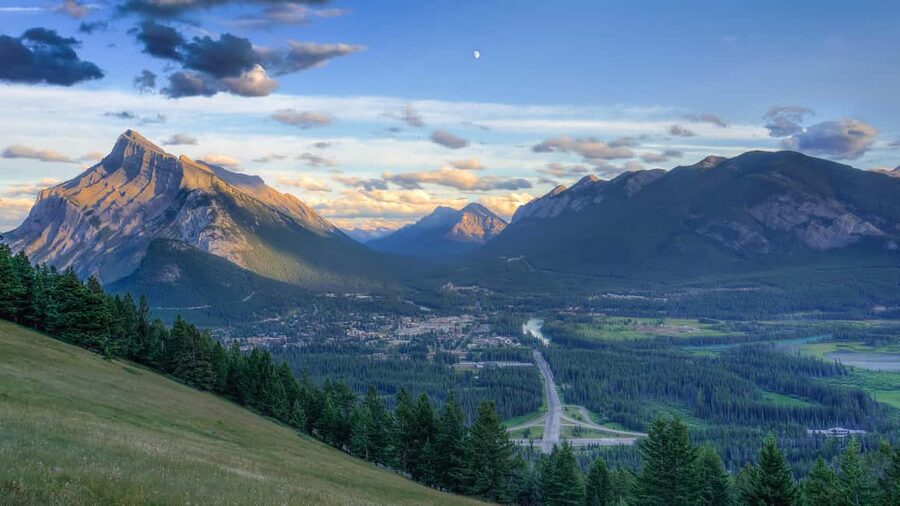
- Dusk game plan: timed for that prime window when animals are more likely to be out.
- Route changes daily: your guide adjusts stops based on weather and recent sightings.
- Wildlife corridors by design: you’re not just sightseeing; you’re driving where animals move.
- Signature Banff photo stops: Lake Minnewanka, Two Jack Lake, Bow Falls, Surprise Corner, and more.
- Small group comfort: max 12 guests, with spacious transport and large panoramic windows.
- Winter comfort included: hot beverages and local specialty treats from November to April.
Why dusk-and-a-van works so well in Banff
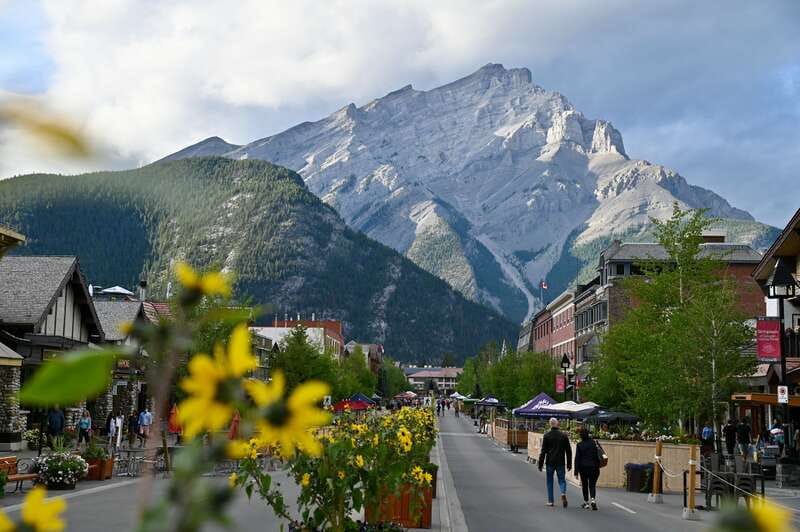
Banff wildlife spotting follows a simple rule: animals don’t always show up when it’s convenient for your schedule. Late afternoon and early evening often fit better, and this tour leans hard into that timing. You’re out when the light turns soft, traffic slows, and animals can feel less exposed.
The van format also matters. With a small group and big panoramic windows, you can scan for movement without constantly stopping yourself, parking, or guessing where animals might be. It’s a big advantage if you’re not renting a car, or if you just want to relax while someone else does the positioning.
And yes, you do get the scenic hits. Stops are aimed at classic views (Bow Falls, Lake Minnewanka) but also viewpoints like Surprise Corner and the area around Hoodoos Viewpoint, so the ride never feels like you’re only waiting for wildlife.
You can also read our reviews of more tours and experiences in Banff.
Getting picked up in Banff without stress
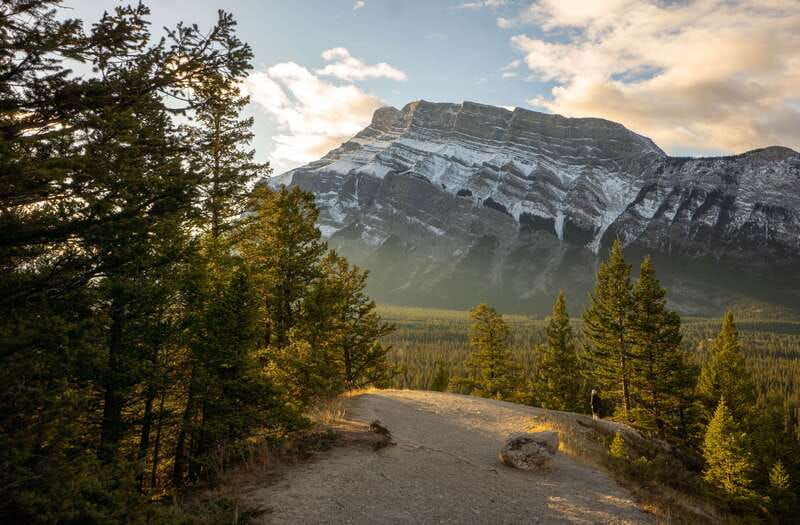
This tour starts with pickup in Banff, and it’s set up so you don’t have to hunt for a meeting point for long. The common pickup instruction is to meet in the bus loading zone on Elk Street, just off the roundabout across from the Banff Train Station, next to the Banff sign. It’s worth building in an extra 5 minutes for parking and walking.
There are also multiple pickup options across town (including major hotels like the Fairmont Banff Springs and Canalta Lodge). In winter, pickup times vary slightly by date and hotel, and the key point is that your scheduled tour start time isn’t your pickup time—your driver has you lined up earlier in the chain of hotel stops.
This matters because a tour that starts on time feels like a tour that has real momentum. When you’re dealing with wildlife, “momentum” is a hidden value. The better the timing, the more likely your guide can reach the right areas when animals are active.
The Banff National Park drive: where spotting starts
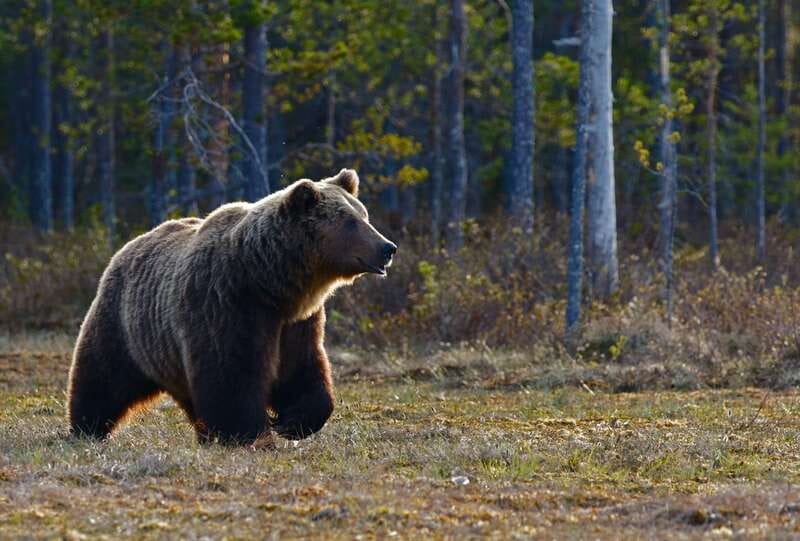
Once everyone’s aboard, you head into Banff National Park for a scenic drive and wildlife viewing. This is the part I like best for first-timers, because it puts you in the right mindset early: you’re not just visiting landmarks, you’re moving through wildlife corridors and learning how to read the area.
Your guide’s job is to be practical. They’re tailoring the route to the day’s recent wildlife sightings and the weather conditions, which changes what’s worth your time. If it’s quiet in one zone, the van doesn’t “hope” your way out of it. You shift.
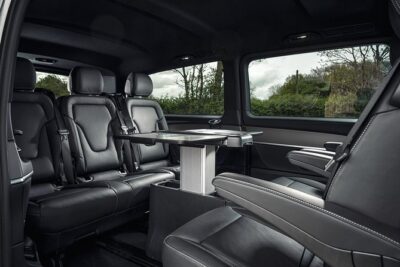
The panoramic-transport setup helps. You’re not squeezed into a tiny bus with limited sight lines. You’re in a vehicle designed to spot, with room to move and the kind of windows that make it easier to check for elk, deer, coyotes, foxes, and bighorn sheep.
And because it’s timed for dusk/sunset, you’re usually out when the area looks best too. That’s not just pretty—it’s the light level that makes it easier to notice animal movement at a distance.
Lake Minnewanka and Two Jack Lake: quick stops, big payoff
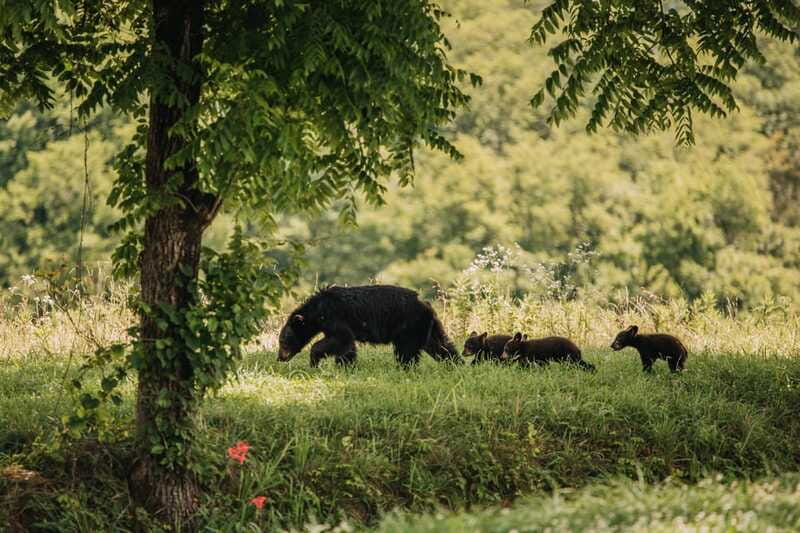
Two of the trip’s most scenic stops are Lake Minnewanka and Two Jack Lake, and the way they’re used is smart. You don’t spend all your time parking and walking. You get a photo-friendly break, plus a chance to scan nearby areas for movement.
Lake Minnewanka is the longer photo stop on the route, and it gives you that classic Banff water-and-mountain view. You’ll have a set window to take photos and soak in the air, then you’re back on the road hunting the next likely sighting area.
Two Jack Lake is shorter, but it still works. Think of it as a checkpoint where the guide can pause the van when it makes sense—either for scenery, for animal activity in the area, or for a quick position shift.
One practical tip: treat these as camera stops, not sightseeing marathons. Even if you want longer time, your guide’s priorities are built around animal timing. If you’re hoping for wildlife photos, get your gear ready before you stop, not after.
Surprise Corner, Bow Falls, and the viewpoints that keep you watching
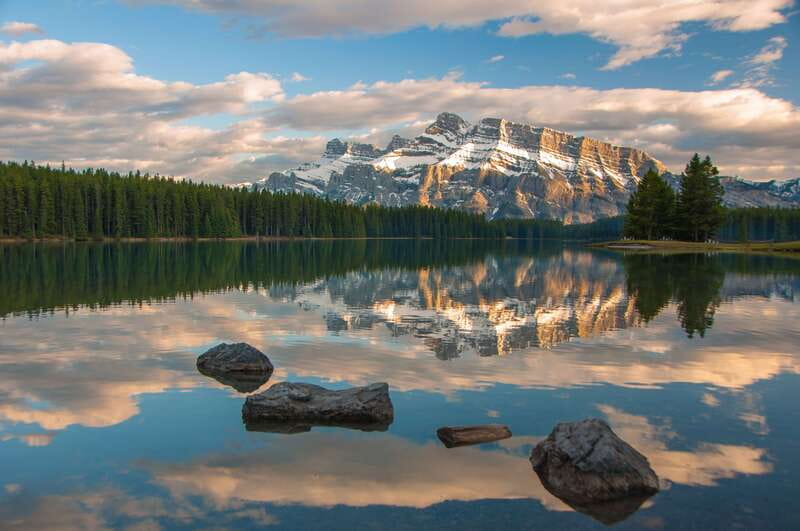
This tour keeps you busy with scenic breaks between wildlife corridors. Surprise Corner is a classic Banff viewpoint stop. It’s the kind of place where you can step out briefly, frame a shot, and then get back to scanning the surrounding areas for animals.
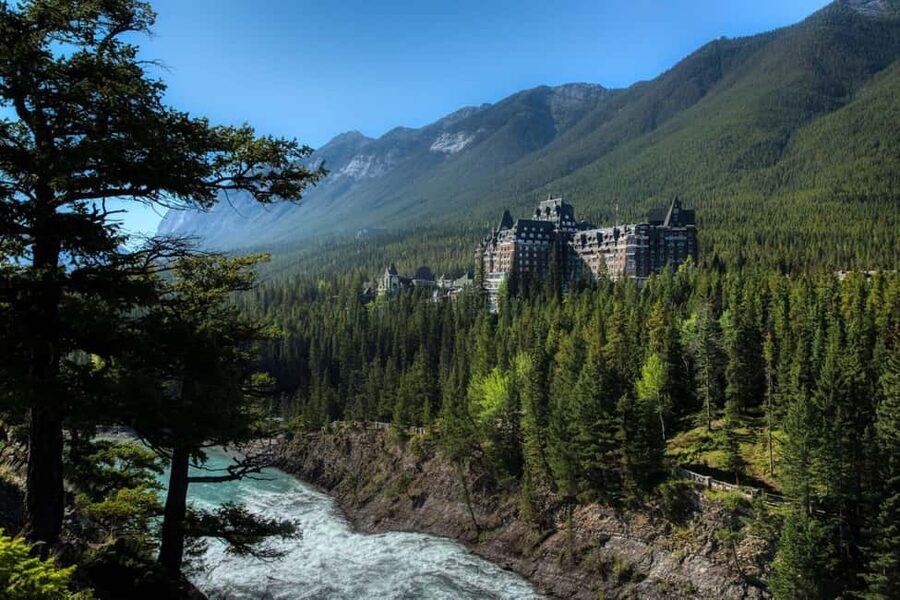
Then comes Bow Falls. It’s another high-recognition stop, but in this format it’s not just a “go and look” moment. You’re arriving with your eyes already tuned for wildlife. That changes the whole feel. You’re more likely to notice smaller action—birds, movement along the edges, or larger animals using the area’s cover.
You’ll also have stops like Hoodoos Viewpoint and Mt. Norquay Viewpoint included as part of the route, which is great for two reasons. First, they broaden the variety beyond just lakes and waterfalls. Second, elevation viewpoints often help you see more of the surrounding valleys, which is useful when you’re trying to spot something far away.
One thing to know: in a wildlife drive like this, you should expect short stops to happen often. People who want a long hike should plan to add extra time on their own. Here, the tradeoff is more “ride + scan + quick photo break” rather than long trail time.
What wildlife you can realistically hope to see
Here’s the honest deal: wildlife is wild. This tour is built for strong odds, and it’s designed around the idea that animals are more likely to be out near dusk. But sightings are still random.
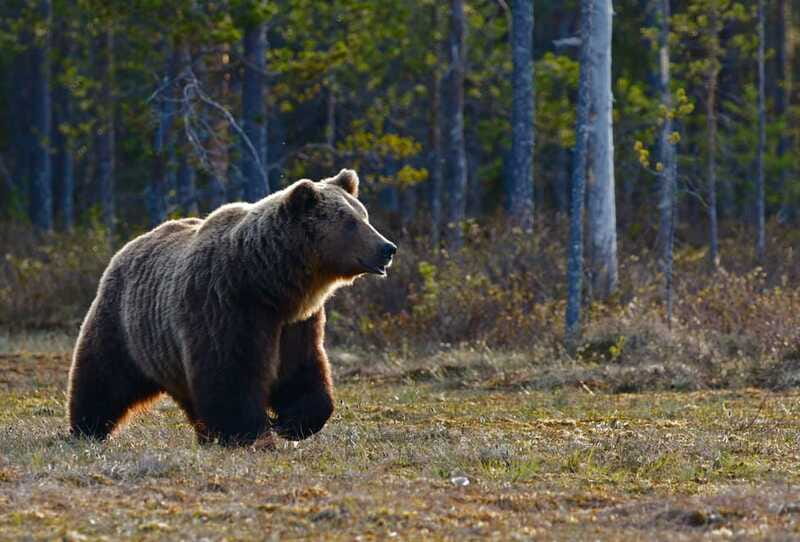
What you can hope for includes bears (though timing matters), elk, deer, coyotes, foxes, bighorn sheep, and other animals. Many departures include impressive sightings in practice, with guides calling out wildlife as they’re spotted and helping you position for photos.
The big winter note is crucial. The info you’re given says bears usually hibernate between November and April. So if you’re booking in winter expecting constant bear sightings, you’ll probably be disappointed. You might still see other big animals like elk and sheep, but your bear expectations should be tempered.
Also, some of the stops are specifically photo windows. If your goal is only wildlife, you should go in with the understanding that you’ll sometimes spend time at viewpoints without a guaranteed animal in view.
That said, the guide’s skill can swing your odds. In the better moments, they’ll help you catch what you would miss alone—quick animal movement, the right angle, or the better timing in a given area.
How the guide experience changes your whole tour
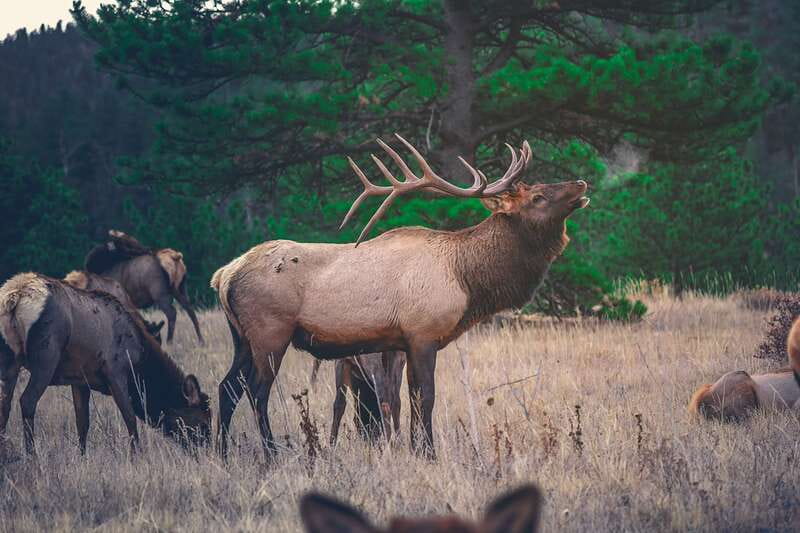
This is one of the standouts for me. The tour isn’t just transportation to scenery. It’s a guided wildlife search with narration throughout.
I noticed a pattern in the guide feedback: people mention being comfortable in the group, guides answering questions, and constant stop-and-explain moments. Names that came up include Lubo, Tess, Connie, and Ollie, along with others like Nolan, Emma, Jess, Ray, and Brandon.
You’ll get Banff history stories mixed in with wildlife talk. That’s a big deal because it turns the ride into something you can actually learn from, not just sit through. The humor shows up too. Some guides keep the mood light while still pointing out real animal details.
Hot beverages are also part of the guide-led comfort plan from November to April. It’s a small thing, but it matters on a winter dusk outing, where cold can drain your energy fast. Tea, coffee, and hot chocolate plus local specialty treats make the tour feel more like a planned experience and less like a cold wait.
Small group size and the feeling of not being rushed
A max group of 12 guests keeps this tour from turning into a cattle call. You’re more likely to get personal attention when the guide spots something, and the ride feels smoother when everyone isn’t constantly demanding the same stop-right-now moment.
The tour also builds in a natural flow: scenic stop, scan for wildlife, quick photo window, move on. That helps you avoid the frustration of missing key moments while someone else lingers in the perfect photo angle.
From a comfort standpoint, spacious transportation with large panoramic windows makes a difference. Wildlife spotting often comes down to seeing small changes in distance and motion. Wider sight lines are a practical advantage, not a marketing claim.
Food, drinks, and what to bring for a 3-hour outing
What’s included is useful: water refills (bring your own bottle), plus hot drinks in winter, plus local specialty treats from November to April.
What you should bring is simple:
- a camera
- comfortable clothes
- weather-appropriate layers
This tour is only 3 hours, so you don’t want to dress for an all-day hike. You do want to dress for standing at a few viewpoints, plus being in a vehicle for periods while you scan the scenery.
Also, plan for the fact that this isn’t set up for bags. Luggage or large bags aren’t allowed, and pets aren’t allowed either. Leave the extra stuff behind so you can keep your hands free for photos.
Price and value: $91 for a guided wildlife hunt
At $91 per person for 3 hours, you’re paying for three things: expert spotting guidance, vehicle transport, and a tight evening route built around wildlife odds.
If you’re traveling without a car, the value is strong because this replaces multiple drives and parking decisions on your own. If you do have a car, it’s still a good value when you trust the guide to pick the right corridors at the right time—especially during dusk when conditions shift quickly.
The park pass isn’t included, so factor that into your budget if you don’t already have access. But once you account for that, the “you don’t have to steer and scan the whole time” convenience is real. You’re buying time plus guidance, not just views.
Who should book this tour (and who should skip it)
Book this if:
- you want an evening Banff wildlife drive without renting a car
- you’re fine with short photo stops in exchange for more time scanning
- you like guided talking, not just silent sightseeing
- you’re visiting in colder months and want hot drinks included
Skip it or plan differently if:
- you only want long walks and lots of trail time (this is more vehicle-based)
- you’re visiting in the November–April window expecting frequent bears
- you’re traveling with kids under 12, since the minimum recommended age is 12 for small group tours
Should you book this Banff Wildlife & Scenic Highlights tour?
If you want Banff highlights plus a realistic wildlife search, I’d put this on your short list. The guide-led route adjustment is the big reason it feels worth it: you’re not stuck with one fixed plan when the animals aren’t cooperating.
The main decision hinge is your mindset. This isn’t a guaranteed animal show. It’s a well-timed, guide-run hunt where scenery and spotting both matter. If you’re okay with that trade, the small group size, panoramic transport, and dusk timing make it a smart use of your afternoon in Banff.
FAQ
How long is the Banff Wildlife & Scenic Highlights Premium Tour?
The tour duration is 3 hours.
Where does the tour pick up in Banff?
Pickup is available at multiple locations. One key meeting point is the bus loading zone on Elk Street, just off the roundabout across from the Train Station, next to the Banff sign.
What stops are included during the tour?
You can expect stops such as Lake Minnewanka, Two Jack Lake, Surprise Corner Viewpoint, Bow Falls, plus additional viewpoints like Hoodoos Viewpoint and Mt. Norquay Viewpoint.
What wildlife might you see on the tour?
The tour is designed for wildlife viewing and you may see animals such as bears, elk, deer, coyotes, foxes, and bighorn sheep, among others.
Is a Park Pass included?
No. The Park Pass is not included.
How many people are in the group?
The tour is a small group with a maximum of 12 guests.
Are hot drinks included?
Yes. Hot beverages like tea, coffee, and hot chocolate are included from November to April, and there are also local specialty treats in that same period.
Is the tour offered in English?
Yes, the live tour guide provides the experience in English.
What should I bring with me?
Bring a camera, comfortable clothes, and weather-appropriate clothing. You should also bring your own water bottle since water refills are provided.
Are pets, strollers, or luggage allowed?
Pets are not allowed. Baby strollers are not allowed, and luggage or large bags are also not allowed.