REVIEW · MARRAKECH
3 Days Merzouga Desert Tour from Marrakech with Luxury Camp
Book on Viator →Operated by Explore Marrakech Trips · Bookable on Viator
Marrakech to the dunes in three days. This tour stitches together Tizi n Tichka views, UNESCO Ait Ben Haddou, and the Sahara’s Erg Chebbi dunes, with a luxury camp night that includes dinner, breakfast, and time for sand fun. I really like the pacing: you get guided stops where it matters (like Ait Ben Haddou) and you still have breathing room for coffee breaks and photos. One thing to consider: it’s a lot of driving, and some stops are quick, so if you want lots of free time in each town, you may feel a bit rushed.
The “good hands” factor is real. In past groups with guides like Hassan and Angela, the vibe is careful and organized, with punctual pickups (7:30 a.m.) and a team that keeps you moving without chaos. I also like that you’re not just dropped into the desert: you return for a sunrise moment and another camel trek, plus the camp is set up with private bathroom comfort. The main drawback for your budget is that lunches and drinks are not included, and tipping is left to you.
In This Review
- Key highlights (what you’ll notice fast)
- A 7:30 a.m. start that gets you out of the Marrakech rush
- Crossing the High Atlas: Tizi n Tichka views you’ll remember
- Ait Ben Haddou kasbah: where old trade routes still show
- Ouarzazate and the Road of a Thousand Kasbahs: quick hits, good variety
- Dades Valley gorges: the viewpoint that justifies the miles
- Todra Gorge to Merzouga: from cliff drama to Sahara silence
- Camel ride across Erg Chebbi and the luxury camp setup
- Sunrise camel trek and the return drive to Marrakech
- Price and value: what $179.12 really covers
- Who this tour suits best (and who should think twice)
- Should you book this Merzouga luxury camp tour?
- FAQ
- What time does the tour start and where is the pickup?
- What is the duration of the 3-day Merzouga desert tour?
- How do you get to the desert camp from Merzouga?
- What activities are included in the desert portion?
- Which major sightseeing stops are included?
- Where do you sleep during the tour?
- Are meals included?
- Is there free cancellation?
Key highlights (what you’ll notice fast)
- 7:30 a.m. pickup in Marrakech from Café de France, with an air-conditioned minibus for long stretches
- UNESCO Ait Ben Haddou with a local guide, plus time for lunch in the kasbah area
- Road of a Thousand Kasbahs stops like Skoura palms and Kelaat M’gouna rose-valley breaks
- Todra Gorge and the drive to Merzouga, moving from dramatic cliffs to Erg Chebbi dunes
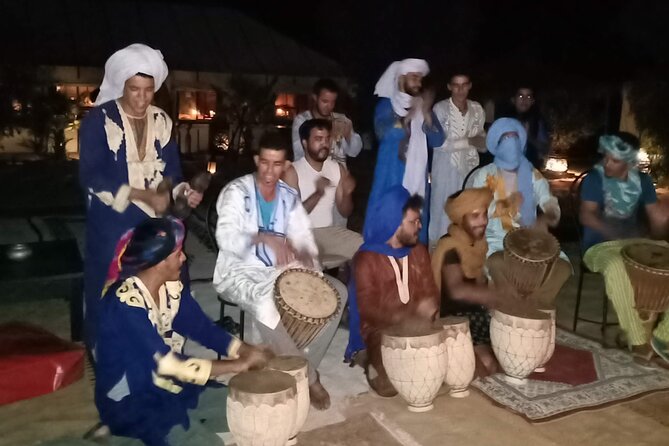
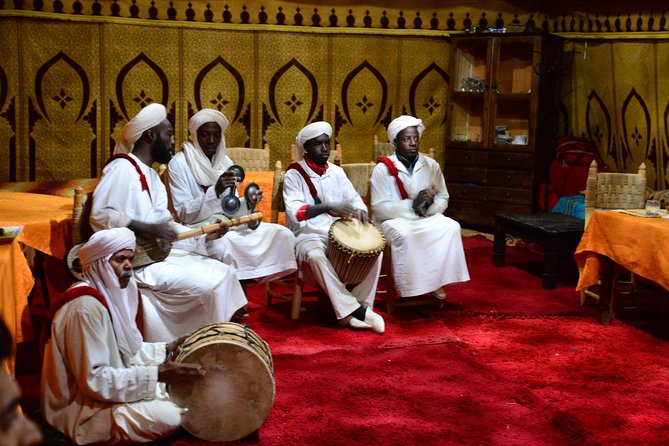
- Luxury Berber desert camp with a private bathroom, plus dinner with traditional music
- Sunrise and a second camel trek, not just one sunset ride
A 7:30 a.m. start that gets you out of the Marrakech rush
If you’ve ever left Marrakech at the wrong time, you know it can turn into stop-and-go stress. This tour starts early, with pickup at 7:30 a.m. from Café de France (72 Rue des Banques). That early departure is the whole point: it gives you daylight time for the mountain crossing and the big sights before the day gets too hot.
You’ll ride in a modern air-conditioned minibus. That matters more than it sounds. The Atlas route eats hours, and the comfort helps you arrive calmer for the viewpoints and walking. There are planned coffee and bathroom stops along the way, plus short breaks at several towns so you can stretch your legs without losing the whole day.
You should expect a schedule that feels full. Some “stops” are more like photo points and quick visits, not long wander sessions. If your ideal day is slow and quiet, you may want to balance this with a separate Marrakech day where you can move at your own speed.
You can also read our reviews of more tours and experiences in Marrakech.

Crossing the High Atlas: Tizi n Tichka views you’ll remember
Day 1’s big star is the High Atlas Mountains crossing, including Tizi n Tichka. The tour builds in a scenic pause along the climb, and then you reach the high pass area at about 2,262 meters. Even if you don’t care about elevation numbers, the feeling is what counts: you go from valleys to open air and wide views that make the whole region feel bigger.
A practical note: if you’re sensitive to cold mornings, bring layers. Mountain weather can shift, and while you might start in warmer city temperatures, you can feel a chill once the road climbs.
Then comes the descent toward one of Morocco’s most famous “step-into-an-old-scene” places: Ait Ben Haddou.
Ait Ben Haddou kasbah: where old trade routes still show
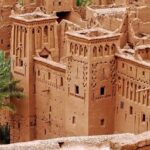
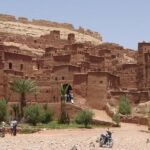
Ait Ben Haddou is a UNESCO World Heritage site, and the tour includes a guided visit with a local guide. That’s important. This isn’t just a random mud-brick cluster; it’s earthen architecture built for centuries of living, trade, and caravan routes.
What makes it special is how cinematic it feels even before you think about movies. The site is known for its role in film backdrops, including references to Gladiator. Still, the best part is walking the lanes: you can see how the buildings hold their shape and how the layout connects to the land.
You’ll get a chance to eat lunch nearby after the tour, and that timing works well. You’re not trying to hunt down food mid-exploration. You get fed, you regroup, and you keep moving toward the “Hollywood of Africa” stop.
Consideration: if you’re hoping for a long, slow photo session from every angle, you might want to go early in the walking portion. The tour moves efficiently, so the group will not stop forever.
Ouarzazate and the Road of a Thousand Kasbahs: quick hits, good variety
After Ait Ben Haddou, you head to Ouarzazate, often called the Hollywood of Africa. The tour is light on deep studio time by default, but it does offer optional ideas if you’re interested, like visiting a film studio and exploring Kasbah Taourirt. If you’re not, you can simply pass by and enjoy the city’s surrounding scenery from the vehicle.
Then the day shifts to the Road of a Thousand Kasbahs vibe. You stop at Skoura, known for its palm oasis setting. These moments are short, but they’re helpful because they break up the drive with something visually different: green palms against the broader, rugged country.
Next is El Kelaa M’gouna (Rose Valley). The tour includes a cafe break here, and it’s the region famous for rose culture and an annual rose festival. Even if you don’t time your visit with the festival itself, the town stop gives you a sense of Morocco beyond deserts and mountains.
Dades Valley gorges: the viewpoint that justifies the miles
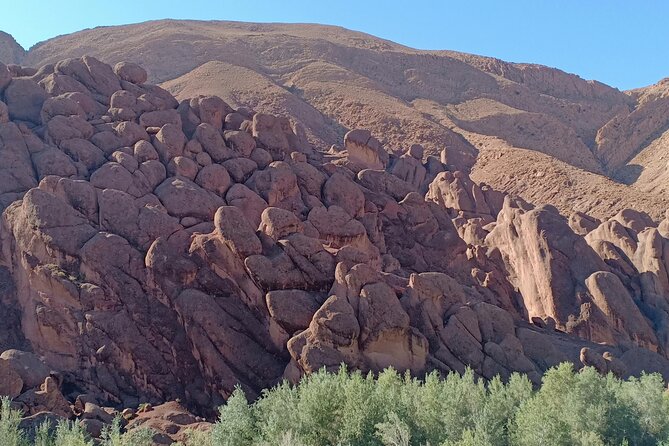
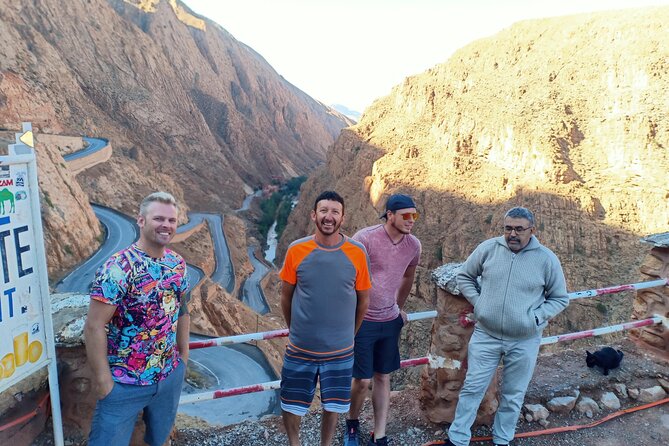
By the time you reach the Dades Valley, the trip shifts from architecture to nature drama. The itinerary includes a stop at Tisdrine, a viewpoint where you can see the winding zigzag road pattern below. That view is the kind you’ll want to return to later, even after the desert shows up.
You also get time to enjoy the Dades area driving through it, with lush greenery and trees around parts of the valley. It’s a reminder that Morocco’s scenery changes constantly, not in one big “before and after,” but in a steady stream.
Night one is spent in the Dades area, with a plan that includes comfort like an en-suite bathroom and a Moroccan dinner in the valley setting. I like that the day ends with food and a place to settle rather than another long scramble.

Todra Gorge to Merzouga: from cliff drama to Sahara silence
Day 2 starts with breakfast at your overnight place, then you head toward Tinghir and the Todra Gorge region. Todra is one of those places that makes you understand why people come to Morocco again and again. The gorge feels tall and tight, with dramatic rock walls and a sense of scale that’s hard to capture in photos.
The tour includes an opportunity to see Todra Gorge and a lunch break on the second day. Then you keep moving toward Merzouga, the gateway for Erg Chebbi dunes.
On the way, you pass Erfoud, known for palm dates and fossils. The tour notes that you can pass by if you’re not into fossils or dates. If you are curious, it’s one of those detour-style stops that adds texture to the journey, showing how people earn a living beyond tourism.
Then you reach Merzouga and the desert part becomes real.
Camel ride across Erg Chebbi and the luxury camp setup
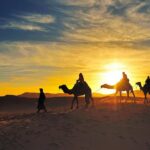
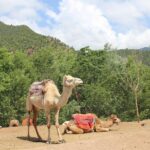
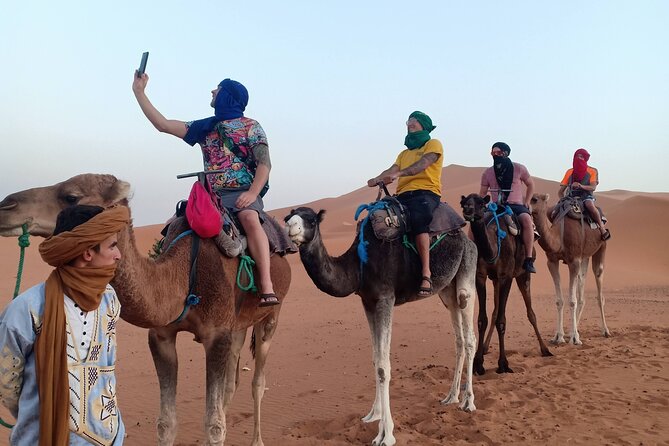
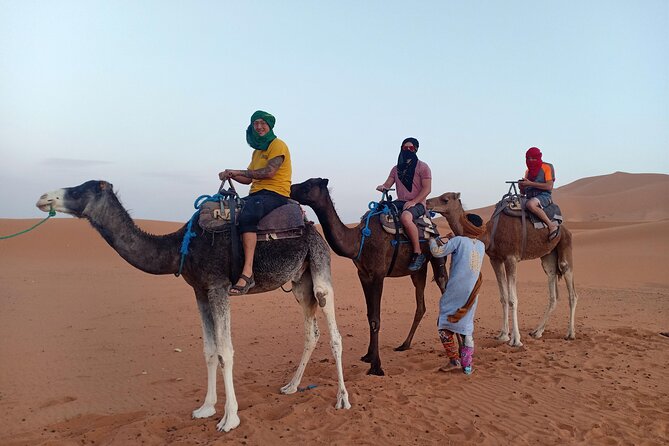
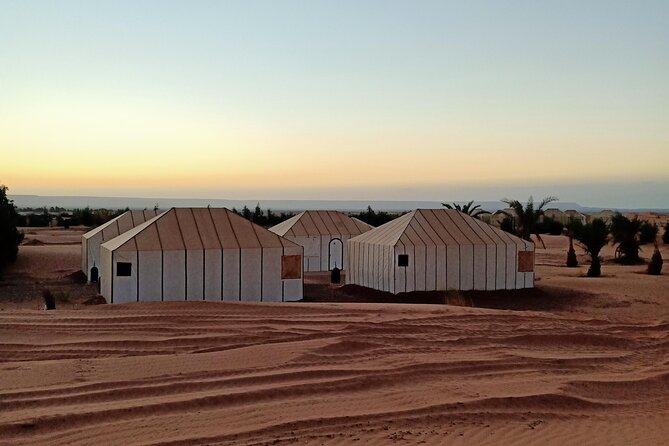
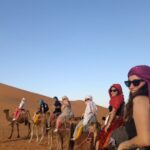
At Merzouga Desert, the tour is built around a camel ride across the dunes—one camel per person. There’s also an option for an optional 4×4 transfer to the camp, which can be helpful if you want less saddle time or you’re concerned about comfort.
Most people come for the big sensory moment: shifting sand, open sky, and the slow rhythm of being on the dunes rather than driving over them. It’s also where you start to see why desert trips feel different at night. During the day, everything looks dramatic and wide. At sunset and after, the whole area becomes quieter and more intimate.
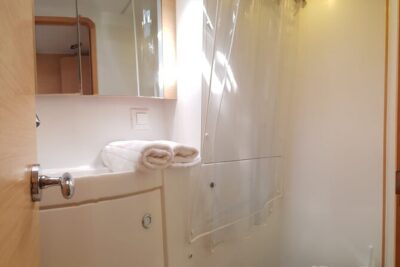
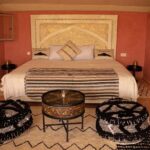
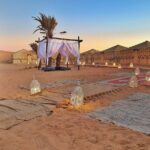
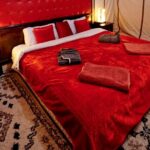
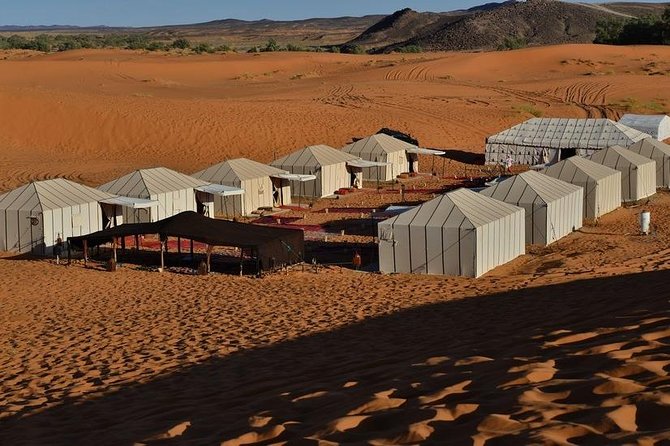
Your overnight is in a traditional luxury Berber desert camp with a private bathroom. That detail changes how you experience the night. You can rinse, freshen up, and focus on dinner and stars instead of dealing with basic comfort issues.
Dinner and breakfast are included (2 meals), and the evening includes traditional music. This is one of the most praised parts of the experience because it’s not just scenery. It’s a controlled cultural moment that still feels welcoming, with enough time to enjoy without being rushed.
Also included: sandboarding in the desert. If you want a playful activity, this is the easiest one to add to your memory without needing extra planning.
Consideration: desert camps can mean limited outlets and variable comfort depending on the setup. If you want to use your phone for photos, plan for battery use (and keep a power bank if you have one).
Sunrise camel trek and the return drive to Marrakech
Day 3 is where the tour earns its keep. Instead of only doing the sunset, it brings you back for sunrise. You’ll wake early to catch the sunrise from near the dunes, then return to the camp for breakfast and time to freshen up.
After that, you do a morning camel trek to experience the dunes from another angle as the light changes. This second camel moment matters because it’s different energy than sunset. Morning feels sharper, cooler, and more awake. It also gives you a second chance to take photos when the sand isn’t glowing as warm as it was the night before.
Once you leave the dunes, the long but scenic drive back begins. There are cafe and restroom breaks along the way. You’ll stop again at Kelaat M’gouna for lunch at a local restaurant and then continue through the Atlas Mountains for an evening drive.
Finally, you arrive back in Marrakech and are dropped off around Jamaa el Fna square or a closed accessible point to your accommodation. The idea is to get you back where life is easy again, not out on the edge of town.
Price and value: what $179.12 really covers
At $179.12 per person, this tour is priced like a “total package” rather than a pure transportation deal. The value comes from the combination of long-distance driving plus the expensive part: the two-night structure.
Here’s what you get that usually costs extra on a DIY plan:
- Air-conditioned minibus transport with fuel included
- Entry fees like Tizi n Tichka
- Guided visit at Ait Ben Haddou
- Camel ride (with a note that a 4×4 transfer is an option)
- Sandboarding
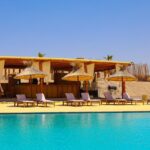
- One night in a hotel with a swimming pool (included)
- One night in a luxury desert camp with private bathroom
- Dinner (2) and breakfast (2)
- Transfers and timing that prevent you from needing to coordinate everything yourself
What’s not included is important: lunch and drinks are on you, plus tips and gratuities. Those are normal extras in Morocco, but they can add up if you’re not budgeting. Also, you’ll want to factor that this is a shared group trip with a maximum of 150 travelers, so you should expect logistics that work for a group, not a private schedule.
Is it good value? For most people, yes, because you’re paying for an organized route that hits the major highlights with comfort included where it counts—especially the desert camp.
If you’re the type who prefers to sleep in basic places, then you might decide you don’t need luxury. But if you want desert magic without giving up comfort, this package matches that goal.
Who this tour suits best (and who should think twice)
This tour is a great fit if you want:
- Big Morocco variety in a short window: mountains, kasbahs, gorge, dunes
- Comfort upgrades like air-conditioned transport and private-bath desert lodging
- A guided component at key stops, especially Ait Ben Haddou
- A first-timer route that feels organized from pickup to drop-off
It can be less ideal if:
- You want long free time in each town (you’ll have breaks, but the schedule is tight)
- You get travel-sick or strongly dislike long drives without many stops
- You hate early starts, since 7:30 a.m. is non-negotiable
The fact that many people mention feeling safe and cared for is a good sign. Just remember: you’re traveling across very different regions in a tight timeframe, and your comfort will depend on how well you handle that.
Should you book this Merzouga luxury camp tour?
I’d book it if your goal is a classic Morocco desert experience with the comfort level turned up. The combination of Ait Ben Haddou with a local guide, Todra Gorge, and Erg Chebbi sunrise plus a luxury camp is the kind of payoff that makes a short trip feel like a full story.
I’d pause and compare other options if you care most about one thing only, like deep culture walking tours or slow photography sessions with lots of downtime. This tour’s strength is variety and structure, not lingering.
My practical checklist before you go:
- Pack layers for early and nighttime desert air
- Budget for lunch and drinks on top of the tour price
- Bring comfy shoes for kasbah walking and gorge viewpoints
- Charge devices for photos, and consider a power bank
If that sounds like you, this is a very solid way to go from Marrakech into the dunes without turning your trip into a spreadsheet.
FAQ
What time does the tour start and where is the pickup?
The start time is 7:30 a.m., with pickup at Café de France, 72 Rue des Banques, Marrakech.
What is the duration of the 3-day Merzouga desert tour?
The tour runs for 3 days (approx.).
How do you get to the desert camp from Merzouga?
You do a camel ride across the dunes, with an option for an optional 4×4 transfer to the camp.
What activities are included in the desert portion?
The package includes a camel ride and sandboarding.
Which major sightseeing stops are included?
The tour includes Ait Ben Haddou with a local guide, plus stops through the High Atlas Mountains and Todra Gorge, and time in Merzouga.
Where do you sleep during the tour?
You have one night in a hotel with a swimming pool and one night in a luxury desert camp with a private bathroom.
Are meals included?
Yes. Dinner (2) and breakfast (2) are included. Lunch and drinks are not included.
Is there free cancellation?
Yes. Free cancellation is available up to 24 hours before the experience start time for a full refund.