REVIEW · TONGARIRO ALPINE CROSSING
Tongariro Alpine Crossing: Premium Guided Hike
Book on GetYourGuide →Operated by Adrift Tongariro Guiding · Bookable on GetYourGuide
Volcano views, guided and weather-smart. This premium Tongariro Alpine Crossing hike links Mt Ngauruhoe and Mt Tongariro through red craters, mineral-stained rock, and the Blue and Emerald Lakes, with native bush in the mix. It is the kind of New Zealand day that feels big even though it is only one long trek.
I like two things most. First, you get real guidance on route choices, including alternate paths to help you escape some crowds while still hitting the popular sights. Second, the best guides add meaning beyond scenery, including Mauri culture stories from Ty and that steady, no-drama support that keeps you moving when conditions turn. The one consideration: reaching the Ketatahi end is not guaranteed, since safety can mean route changes when wind, ice, or storms show up.
Good news for first-timers: you do not need prior alpine experience. You get training on the day, and in winter you can use crampons and ice axes if conditions require them, so you are not guessing gear decisions in the parking lot.
In This Review
- Key takeaways before you lace up
- Tongariro Alpine Crossing: the one-day volcano walk that actually feels complete
- What “premium guided” means on this hike
- The flow of your day: from 53 Carroll Street to an 8-hour crossing
- Volcanic terrain details you’ll actually notice while walking
- Mt Ngauruhoe, Mt Tongariro, Mt Ruapehu: views that stay interesting
- Native bush sections: the underrated part of the crossing
- Crowds, alternative paths, and why timing is not just a calendar thing
- Weather handling: summer skies vs winter traction and cold reality
- Fitness expectations: it’s not a walk in the park
- Gear and packing list: bring what keeps you warm and moving
- Price and value: what $254 covers, and what it does not
- Who should book this hike (and who should rethink it)
- The small things that make a big difference on the trail
- Should you book this premium guided Tongariro Alpine Crossing?
- FAQ
- How long is the Tongariro Alpine Crossing: Premium Guided Hike?
- What is included in the price of $254 per person?
- Is lunch included?
- Do you need prior alpine experience?
- Can you guarantee reaching the Ketatahi end?
- Is it suitable for children?
Key takeaways before you lace up
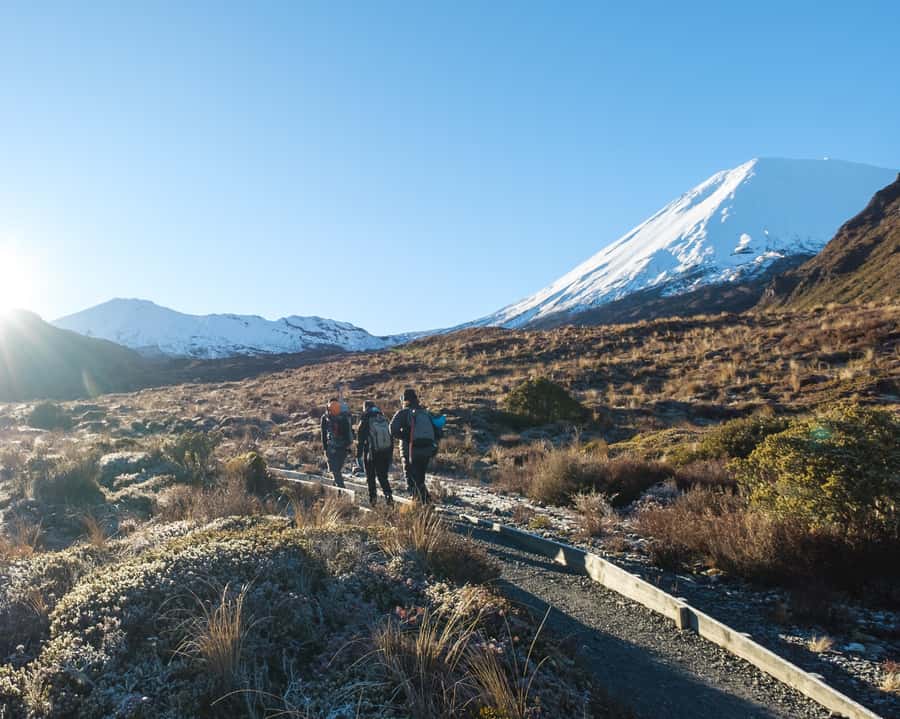
- You’re hiking a volcanic highlight strip between Mt Ngauruhoe and Mt Tongariro, with craters and the Blue and Emerald Lakes as major pull-factors.
- Guides manage crowds and conditions by using alternative paths when possible, without turning it into a sightseeing lecture.
- Weather is the boss: route length can change, and sometimes the gorge crossing or the far end may be off the table.
- Winter support is practical, not theoretical, with crampons and ice axes supplied if required.
- The guides add local context including Mauri culture storytelling from Ty.
- Safety care is real when someone gets sick or conditions worsen, with fast help and coordinated support from the team.
Tongariro Alpine Crossing: the one-day volcano walk that actually feels complete
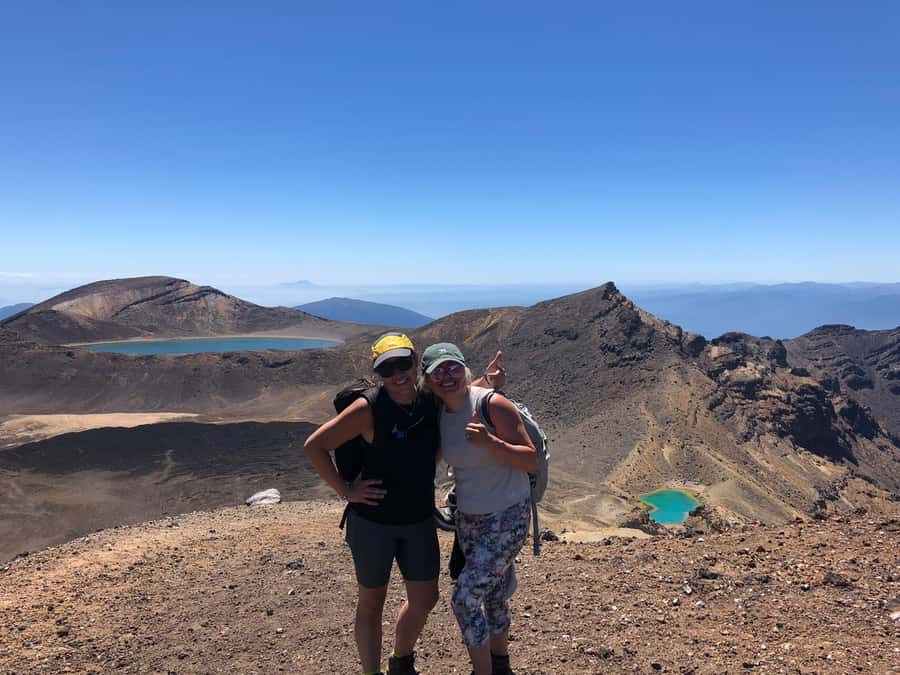
The Tongariro Alpine Crossing is famous for a reason: it is one of the few places where you can spend a day walking through active-feeling volcanic terrain and then still get a payoff of classic Central North Island scenery. You move between Mt Ngauruhoe and Mt Tongariro, with Mt Ruapehu in view too, and you pass craters and mineral-streaked ground that reflects different phases of volcanic activity.
You also do not just stare at rocks. The route includes New Zealand native bush sections, which breaks up the intensity and gives your eyes a rest. That blend matters on a long day, because the crossing is strenous enough that anything that improves your rhythm helps.
What “premium guided” means on this hike
The guiding is not just about someone pointing and walking. It is about decisions. Tongariro can shift from clear views to harsh weather fast, and this hike is weather-dependent in a way that is not fully under your control. A guide helps you interpret what you are seeing, but more importantly helps you respond to it.
Here is what you really gain with Adrift Tongariro:
- Route options when conditions allow. In good weather, they may take alternative paths so you can escape some crowds while still seeing the major sights.
- On-the-day tuition. You do not need prior alpine experience, and they provide training so you can handle the basics safely.
- Winter traction support. If ice or snow conditions demand it, crampons and ice axes are supplied.
- Guides who manage pace as a team. Some hikers are faster, some slower, and you need a group rhythm that keeps everyone safe.
From the guide stories, the best part is the human factor. When someone felt ill early in the day, the team handled it quickly and coordinated a pickup to get that person back to accommodations. That kind of care is not something you get on a DIY day.
The flow of your day: from 53 Carroll Street to an 8-hour crossing
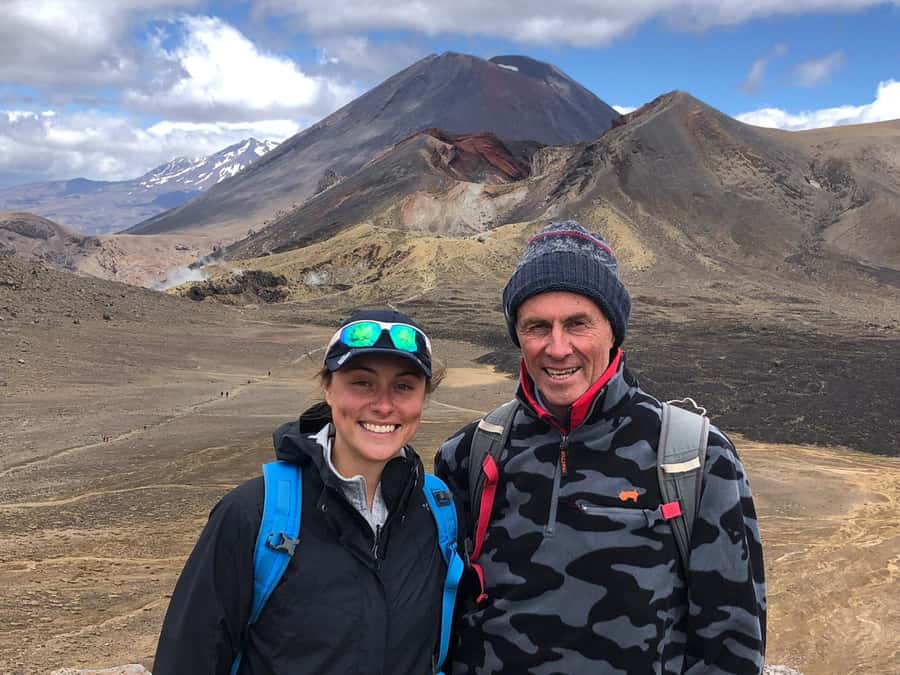
This tour is built around a long hike plus transport. You meet at the Adrift Tongariro base and shop at 53 Carroll Street (National Park), then you jump in a van for about 25 minutes. After that, you’re on the guided crossing for about 8 hours. When the hike is done, you ride back by van for another 25 minutes to return to the meeting point.
Why that structure matters: it means you start the day anchored at a proper base, not wandering around trying to guess trailheads. The downside is obvious but important—this is a big day even if the walking time is listed as “one day.” Plan for fatigue afterward, especially on the downhill sections.
Also, route length can vary. Safety rules may mean you do not reach the Ketatahi end. In windy weather, some sections like a gorge crossing can become uncertain until you are actually up there and conditions are assessed.
Volcanic terrain details you’ll actually notice while walking
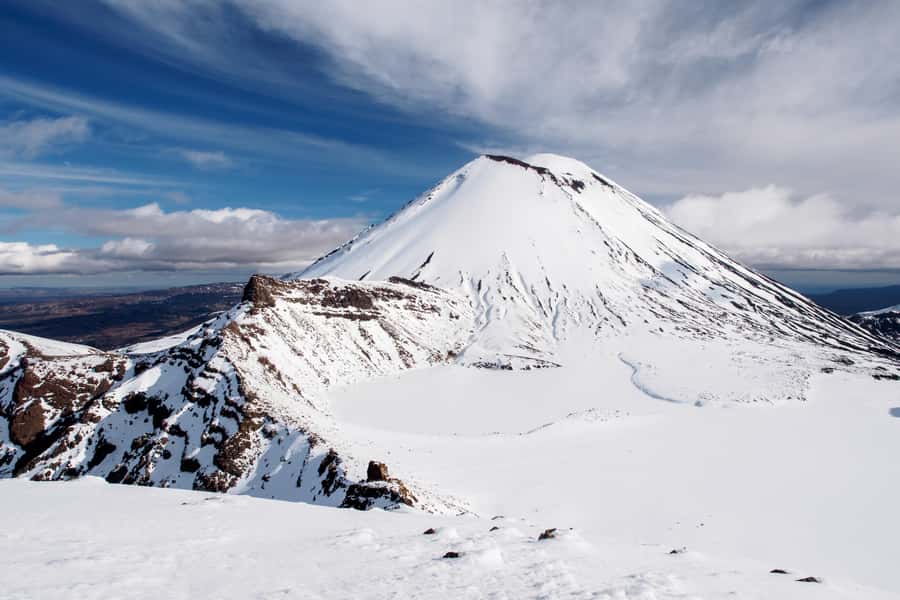
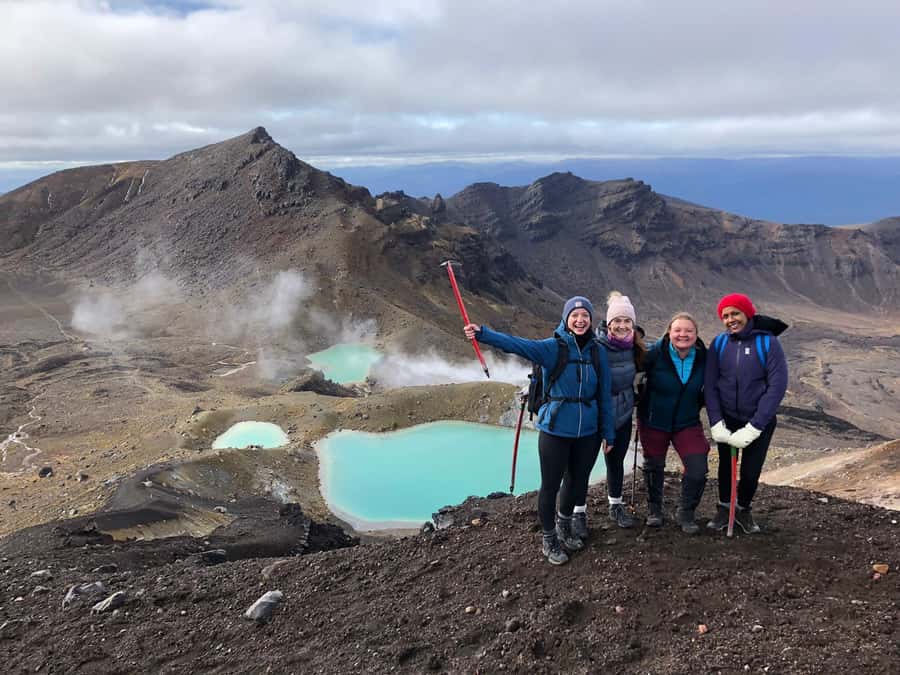
The crossing is not just “cool volcano views.” It is a walk through changing terrain. You’ll see craters that have been active in different periods, and you’ll pass scoured volcanic rock shaped by past forces. Mineral deposits show up as bright color and texture changes—think sulphur, aluminium, silica, and other materials released from within the Earth’s crust.
What I love about this kind of hike is that it rewards attention. If you look as you walk, you can see how the ground changes under your boots. Guides often help you connect what you’re seeing to how the landscape forms, and that turns photos into something more than a quick snapshot.
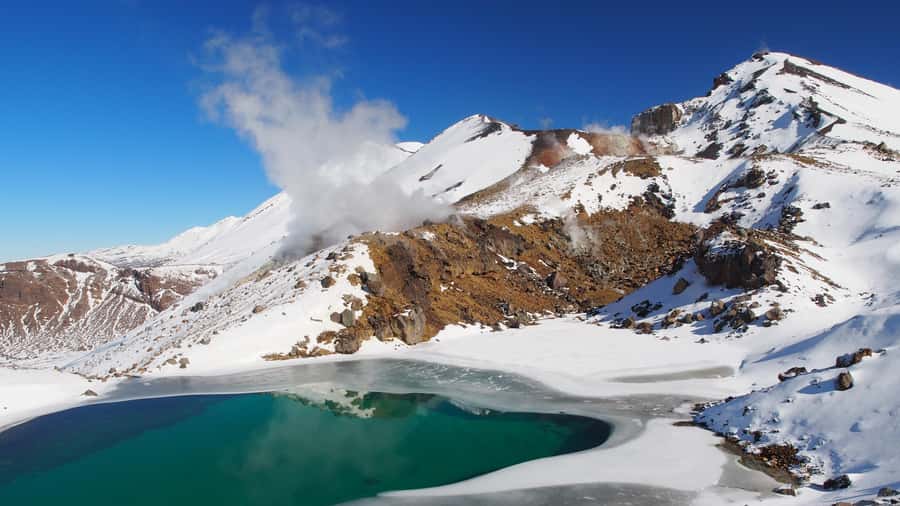
And yes, the famous water stops are the emotional payoff. The Blue Lake and Emerald Lakes are standout moments, and the contrast between mineral reds and these bright lake colors makes the whole day feel like it has a narrative arc.
Mt Ngauruhoe, Mt Tongariro, Mt Ruapehu: views that stay interesting
One of the best things about this route is that you are not stuck with one view angle. You’re moving between major peaks, so the scenery keeps shifting as the light changes and as you round terrain. Mt Ngauruhoe is the iconic presence for many hikers, and the broader context of Mt Tongariro and Mt Ruapehu keeps things grounded in the volcanic story of the area.
If you are a Lord of the Rings fan, you will likely clock the Mt Ngauruhoe connection fast. But even if you are not, you still get dramatic mountain presence for much of the day, not just at the start or the end.
Native bush sections: the underrated part of the crossing
You might imagine the crossing as nonstop volcanic drama. It’s not. Native bush sections are part of the experience, and they do real work for your body and your attention. They provide a break in the visual intensity and help you settle into a steadier pace.
These sections also support the idea that this is more than a “one-trick” hike. You are walking through a New Zealand ecosystem, not just a museum display of volcanic rocks.
Crowds, alternative paths, and why timing is not just a calendar thing
This hike is popular, which means you may see other groups on the trail. The guide strategy matters, because sometimes they can take alternative paths to help you escape some crowds while still hitting the popular sightings.
Do not expect miracles. You will still be hiking through one of New Zealand’s best-known routes. But having someone who understands where crowds form and how to manage pacing can make the difference between a stressful day and a day that feels like a focused adventure.
Weather handling: summer skies vs winter traction and cold reality
The day can look very different depending on season.
In summer, you may experience a majestic view of recent resultant volcanic activity, along with warmer conditions. Still, bring serious sun protection and rain readiness because mountain weather can change quickly. You are advised to bring 1 to 2 litres of water and pack layers: a light top plus two warm layers, plus a waterproof raincoat.
In winter, the crossing can be snow-covered and you may have opportunities to walk in that winter environment without the summer crowds. The big change is traction and insulation. You are advised to bring thermal layers, over-trousers if needed, gloves, and extra warm head coverage. Crampons and ice axes are supplied if conditions require them, which helps a lot if you do not already own winter alpine gear.
One practical takeaway: summer comfort does not mean safety is simpler. People can still get soaked and cold in changing rain-to-snow scenarios. The right layering system is what keeps you functional when the weather flips.
Fitness expectations: it’s not a walk in the park
You need a reasonable fitness level. The operator notes that no alpine experience is required, but the hike itself is still a tough one-day effort. If you worry about your fitness, tell the guide before you start. They can discuss options and pace strategies.
From real guide support examples, hikers who were new to hiking still made it, especially when they stayed near the guide and accepted help like snacks, walking aids, and pace adjustments. But the key is honesty at the start. If you pretend you’re fine, the later uphill and downhill will punish you.
And plan for soreness. Even when conditions are good and the views are spectacular, this kind of hike can leave your legs aching the next day.
Gear and packing list: bring what keeps you warm and moving
Adrift Tongariro gives you guidance, but you still need to bring the basics. Here is what you should think about before leaving town:
- Clothing that handles wind and fast shifts: warm layers, a windbreaker or waterproof rain gear, plus breathable layers.
- Sun and eye protection: sunglasses and sunscreen, plus a hat.
- Food and snacks: lunch is not included, so you need a packed lunch and extra fuel.
- Footwear: hiking shoes are required. If you cannot bring boots, equipment and clothing can be hired at Adrift Tongariro.
- Daypack essentials: water (1 to 2 litres is recommended), insect repellent, rain gear, and any personal medication.
Winter adds gloves and extra head warmth. Summer emphasizes sun protection and lighter layers, plus enough warmth for sudden changes.
One small value note: the included $60 of clothing and footwear hire can reduce the pain of arriving without the exact gear.
Price and value: what $254 covers, and what it does not
At $254 per person for a 9-hour day, this is not a budget hike. So you want to know what you are buying.
You are getting:
- A guide
- Transport between the Adrift Tongariro base and the activity area
- Crampons and ice axes if required for winter conditions
- $60 of clothing and footwear hire
- English-language live guiding
What you do not get:
- Lunch
- Return transfers from Taupo CBD, Turangi, or Whakapapa Village (there is a surcharge and a minimum of 2 people)
So the value comes from three places: guide decision-making in changing weather, traction support when conditions demand it, and help with gear if you need it. If you were going to pay for gear hire anyway and you want a safer plan for one of New Zealand’s best-known hikes, the price starts to make sense fast.
Who should book this hike (and who should rethink it)
This guided crossing fits best if you want the famous Tongariro route with less stress. It is a strong choice for:
- Hikers who know they can handle a tough day but do not want to manage winter safety variables alone
- First-time hikers who want instruction and pacing help
- People who care about both scenery and context from the guide
It is not suitable for children under 12. And if you are hoping for a guaranteed full-length finish to the far end, take the safety reality seriously. The Ketatahi end is not guaranteed, and wind or weather can change what is possible on the day.
If you have a fixed goal like completing every section no matter what, consider asking about what flexibility options exist for smaller groups and weather-dependent routing. I would rather you ask upfront than feel disappointed later.
The small things that make a big difference on the trail
A few practical lessons from guide support stories:
- Keep your hat on. This is a wind-prone mountain day. You’ll hear plenty of reminders like the keep your hat on humor from Stu, and you should take it seriously.
- Layers beat wishful thinking. Even in seasons that sound comfortable, weather can swing.
- Tell the guide what’s happening early. If you feel cramps, exhaustion, or nausea, early communication helps you adjust. One guide even shared electrolyte gels and sugar gummies when cramps hit, which can be the difference between pushing and suffering.
- Be ready for modifications. If conditions are rough, guides may move faster or limit breaks so everyone stays safe.
Should you book this premium guided Tongariro Alpine Crossing?
Book it if you want a well-supported version of the classic crossing, with traction support in winter, guide-led route decisions, and a strong chance of seeing the big hits like the craters and the Blue and Emerald Lakes. The overall rating is solid, and the guide stories show consistent care—from keeping people motivated to coordinating help when someone needs to stop.
Skip it or consider alternatives if you are looking for a gentle stroll, if you cannot meet a reasonable fitness level, or if your expectation is a guaranteed full-length route to every end point regardless of conditions.
If you go, go prepared: pack layers, plan for a long day, and treat weather as part of the hike. The best experiences happen when you trust the guide and stay flexible.
FAQ
How long is the Tongariro Alpine Crossing: Premium Guided Hike?
The total duration is listed as 9 hours, including transport. The guided walk portion is about 8 hours.
What is included in the price of $254 per person?
The price includes a guide, transport between the Adrift Tongariro base and the activity, crampons and ice axes if required for winter conditions, and $60 of clothing and footwear hire.
Is lunch included?
No. Lunch is not included, so you’ll need a packed lunch and snacks.
Do you need prior alpine experience?
No alpine experience is required. Training and tuition are provided on the day.
Can you guarantee reaching the Ketatahi end?
Reaching the Ketatahi end is not guaranteed. The route can change based on safety considerations like weather, avalanche risk, ice, and hypothermia risk.
Is it suitable for children?
No. It is not suitable for children under 12 years old.