REVIEW · TASHKENT
Tashkent: Private Full-Day City Tour on a Premium Car
Book on GetYourGuide →Operated by Tourmania Uz · Bookable on GetYourGuide
Metro stops in Tashkent beat the postcards. This private day pairs Tashkent Metro stations with classic landmarks, so you get old faith, local markets, and modern city views in one smooth route. I especially like the chance to taste plov at the Pilav Centre and then see how Tashkent’s Ottoman-era mosques and Soviet-era metro design speak to different chapters of the same city.
One heads-up: admission tickets and food aren’t included, so you’ll want to budget a little extra on top of the $125 per person price.
In This Review
- Key Things You’ll Enjoy Most
- A Premium Car Day That Keeps Tashkent Easy
- Hazrati Imam Complex: Mosques, Mausoleums, and a Rare Manuscript Reference
- Chorsu Bazaar Under the Turquoise Dome: Market Senses, Real Local Life
- Riding the Tashkent Metro: Alisher Navoi and Kosmonavtlar Stations in Focus
- Pilav Centre Lunch: How to Get the Most from Plov
- Amir Temur Museum and Temurid Sites: Tamerlane in Blue-Glass Form
- Amir Temur Square and Broadway Boulevard: Statue Photos and Modern Street Energy
- Tashkent TV Tower Observation Deck: Panoramas from the Tallest Central Asia Spot
- Price and Value: Is $125 per Person Worth It?
- Who This Tour Fits Best (and Who Should Skip It)
- Should You Book This Private Full-Day Premium Car Tour?
- FAQ
- How long is the Tashkent private full-day city tour?
- What’s included in the $125 per person price?
- Is lunch included?
- What places do I visit during the day?
- Does the tour include the Tashkent Metro ride?
- What language is the guide?
- Can I take photos?
- Is it suitable for wheelchair users or mobility impairments?
Key Things You’ll Enjoy Most
- Premium car + hotel pickup: less hassle, more time for sights
- Hast Imam Complex details: mausoleum, mosque, and a rare Quran manuscript reference
- Chorsu Bazaar under the turquoise dome: market life and smart shopping time
- Tashkent Metro stations: mosaics, chandeliers, and memorable architecture
- Pilav Centre plov lunch: lamb, carrots, and spices cooked in kazan pots
- TV Tower observation deck: elevator ride up for city panoramas
A Premium Car Day That Keeps Tashkent Easy
Tashkent can be surprisingly simple to see when you’re not managing routes, tickets, and timing on your own. This is a private full day built around convenience: hotel pickup and drop-off, a professional guide, and transportation between stops. The big win is that you spend more energy looking at things and less energy figuring out how to get from one end of the city to the other.
I also like the pace here: seven hours is long enough to do the top sites, but not so long that you feel cooked by mid-afternoon. The itinerary mixes walking time with vehicle time, which helps when the weather turns hot or bright. If you’re coming for a first look at Tashkent, this kind of structure gets you oriented fast.
One more practical note: you’ll be out for a full day, so plan around comfortable shoes and water. The tour is not designed for people with mobility impairments or wheelchair users, so keep that in mind if mobility is a concern.
You can also read our reviews of more tours and experiences in Tashkent.
Hazrati Imam Complex: Mosques, Mausoleums, and a Rare Manuscript Reference
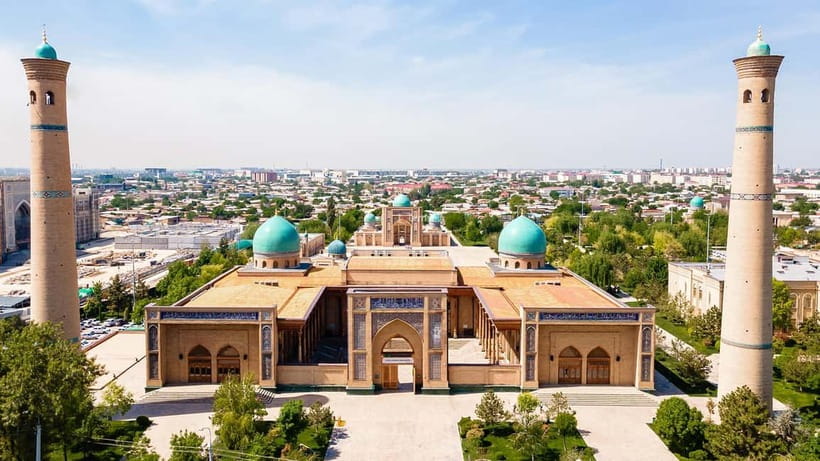
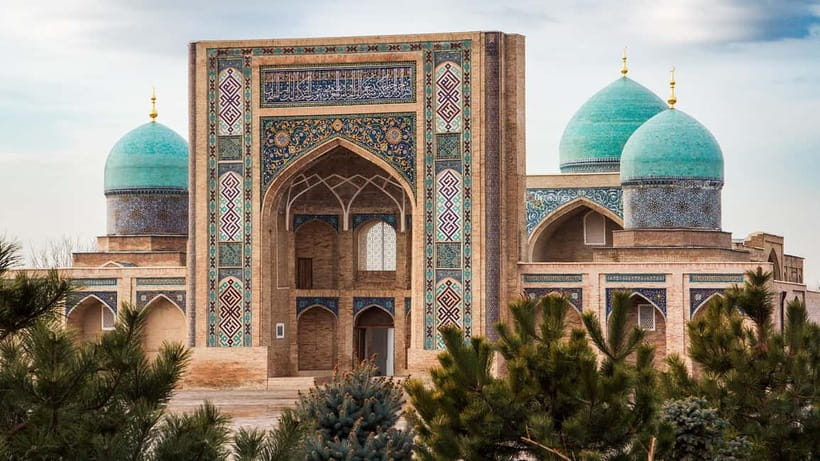
You start at the Hazrati Imam complex, a place that feels central to Uzbekistan’s spiritual and architectural identity. Expect a guided visit and a bit of walking, with time for photos along the way. This stop isn’t just about a single building—it’s a cluster of sights that lets you see different expressions of Islamic art in one area.
Key sights include the Kaffal Shashi Mausoleum, the Tilla Sheikh Mosque, and the Muyi Muborak Library. The library reference here is especially notable: it holds the Uthman Quran, described in the tour details as the oldest known Quran manuscript. Even if you only take in a short segment, the presence of that document makes the whole complex feel weighty and real.
What I like as a traveler is the context your guide provides. You’re not just looking at walls and domes—you’re getting the why behind the design, the names, and the order of what you’re seeing. If you prefer explanations in addition to photos, this is a strong start to the day.
Chorsu Bazaar Under the Turquoise Dome: Market Senses, Real Local Life
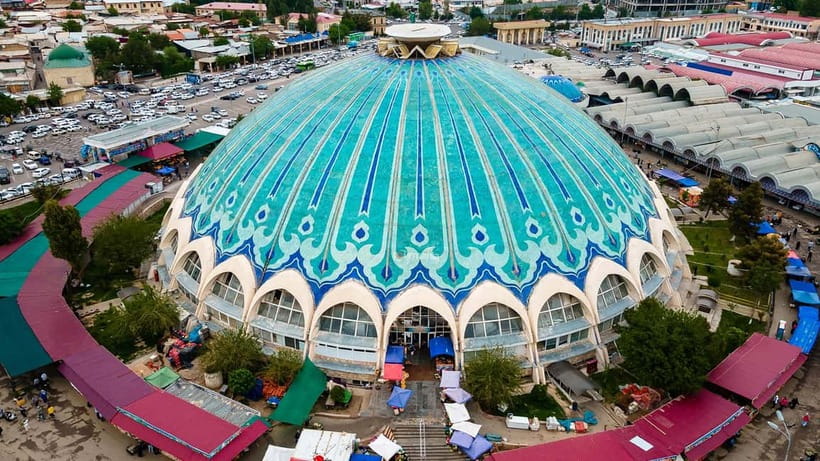
Next comes Chorsu Bazaar, the old-town heart of Tashkent. This is one of those places where your guide can turn a simple walk into a cultural lesson. The market is housed under a striking turquoise dome, and once you’re inside, it’s all about color, smells, and everyday movement.
You’ll have time for a guided tour and a bit of shopping. The stalls you may see focus on fresh produce, fragrant spices, dried fruits, and handcrafted goods. Even if you don’t buy much, this is where you get the real rhythm of the city—how people trade, chat, negotiate, and keep daily life moving.
My advice: treat this as a chance to learn your way around, not a hard-core shopping mission. If you find something you like, great. If not, you still leave with a better sense of local taste and everyday habits. Also, because it’s a market, expect lots of walking and plan for sun and shade differences.
Riding the Tashkent Metro: Alisher Navoi and Kosmonavtlar Stations in Focus
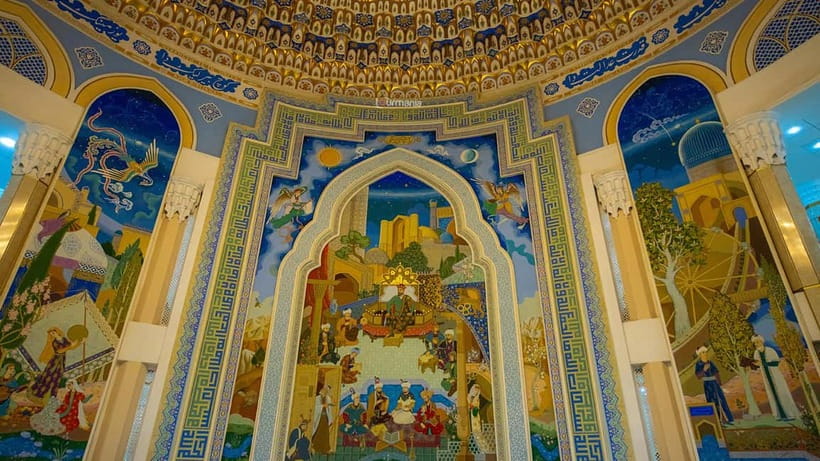
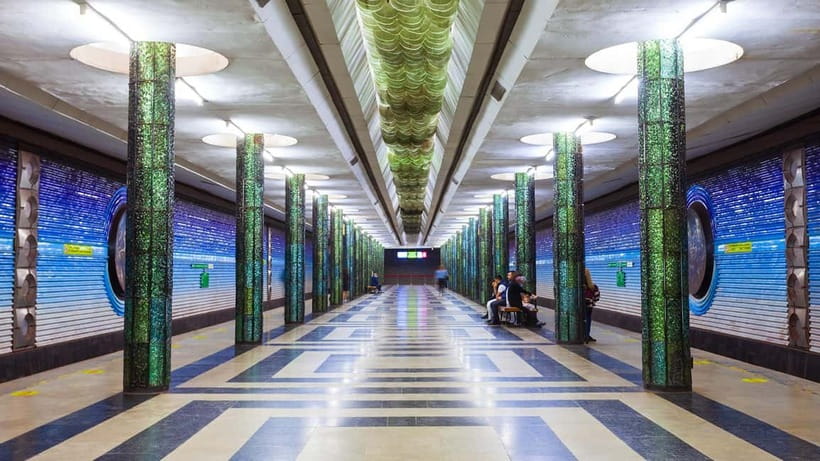
Then you hit the Tashkent Metro—one of the best reasons to take a guided format in this city. The metro stations are famous for design, and you’ll visit key stops such as Alisher Navoi and Kosmonavtlar. Your guide points out what you might otherwise miss: Soviet-era craftsmanship, mosaics, chandeliers, and sculptures that reflect Uzbek history and culture.
The magic here is that the metro isn’t an afterthought. It’s a cultural stop. The rides make it easy to experience “real city movement” while still seeing architecture that feels like it belongs in a museum.
I also appreciate that the tour gives photo stops and a guided explanation rather than just telling you to look around. You can absolutely enjoy the stations on your own, but a guide helps you connect the art to the story—so you don’t leave thinking you only saw pretty tile.
Practical tip: this is a full day, so keep your camera accessible. Station details can be quick, and you’ll want snaps before you’re swept along to the next area.
Pilav Centre Lunch: How to Get the Most from Plov
Lunch is at the famous Pilav Centre, built around one very specific mission: plov. You’ll taste authentic Uzbek plov and also watch chefs prepare it using massive kazan pots. The details matter here: the dish is cooked with lamb, carrots, and spices, so the flavor is not subtle.
What I like about this lunch stop is that it’s not just a meal, it’s a performance. Watching plov get cooked gives you a better understanding of what makes the dish feel Uzbek rather than generic. You also get a guided experience plus free time for the meal itself.
A small budgeting reality check: lunch isn’t included in the tour price, and food and drinks aren’t included either. That’s not a deal-breaker, but it’s important for planning. If you’re serious about trying plov, plan to treat this lunch as part of your overall trip cost.
Also, use the meal time to recharge. Midday in Tashkent can be bright, so the combination of eating and slowing down helps you enjoy the afternoon stops instead of rushing through them.
Amir Temur Museum and Temurid Sites: Tamerlane in Blue-Glass Form
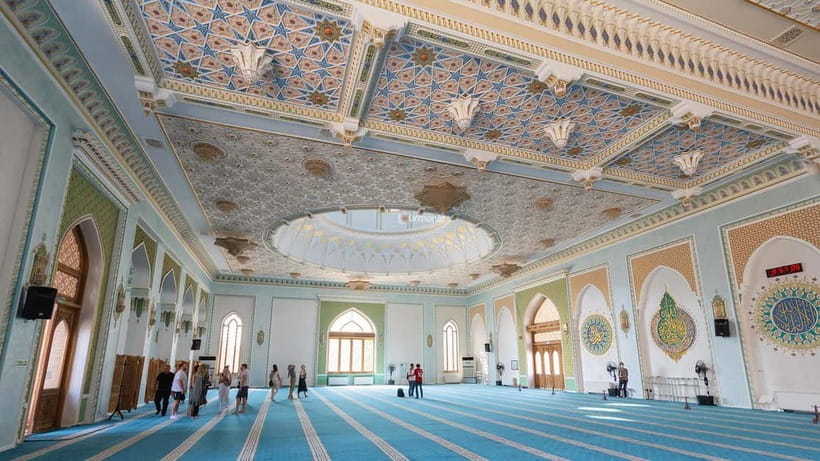
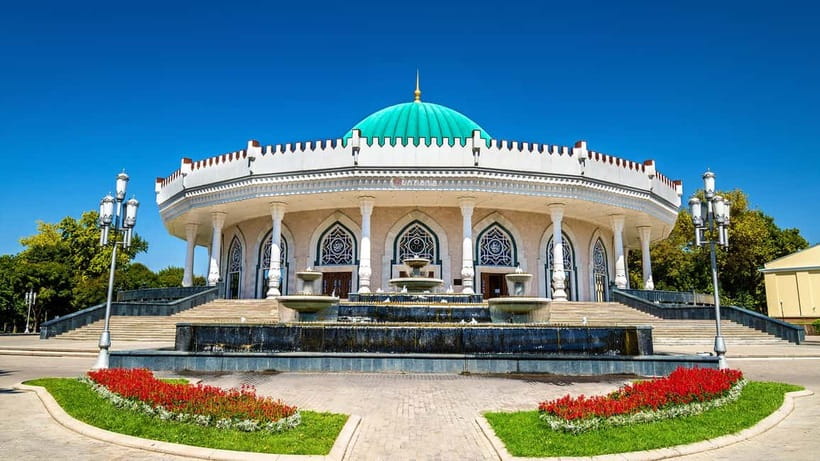
After lunch, you’ll head to the Amir Temur Museum, then continue through the Temurid-related stop at the State Museum of the Temurids. The Amir Temur Museum is described as a stunning blue-domed building dedicated to the life and legacy of Amir Temur, also known as Tamerlane.
If you like history in a physical, museum setting, this portion works well. You’ll explore exhibits that feature artifacts, historical documents, and artwork tied to Amir Temur’s role as a conqueror and statesman. For many visitors, this is where Uzbekistan’s past stops being names on a map and starts showing up as objects, narratives, and curated displays.
One thing to know: museum time can feel different from market time. Markets are sensory and quick. Museums are slower and require attention. If you’re easily tired of reading, skim the major sections your guide points out, then spend extra time on the items that catch your eye.
Amir Temur Square and Broadway Boulevard: Statue Photos and Modern Street Energy
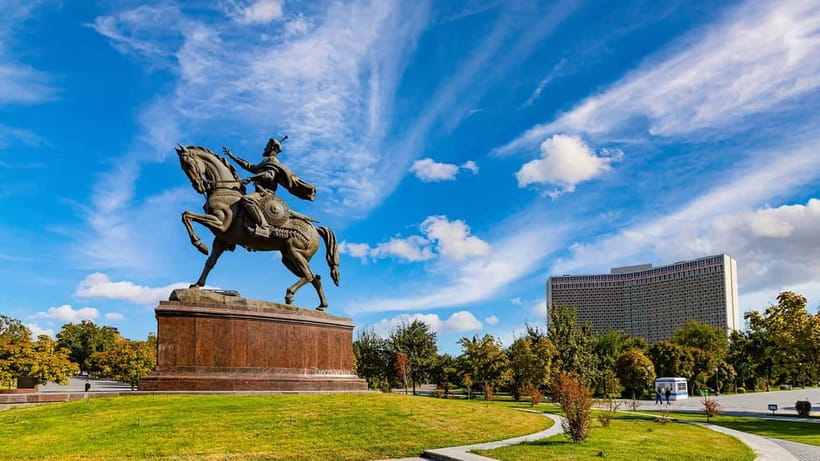
Next you’ll walk through Amir Temur Square, with a quick photo stop and guided sightseeing. The centerpiece is the statue of Amir Temur on horseback, surrounded by landscaped gardens that give the square a calmer feel than the streets around it.
After that, you’ll spend time near Broadway Boulevard, described as a lively street with street artists, souvenir stalls, and cafes. This is a nice contrast: you go from a formal museum atmosphere to an open, everyday city vibe.
I like this middle-late-day placement. By then, you’ve already seen sacred architecture, a major market, and designed metro stations. Broadway Boulevard helps the day feel less like a museum circuit and more like a walk through where people actually spend time.
Practical tip: this is where you’ll want your camera ready again. Squares and public art make great sunset or golden-hour photos if your timing matches the light.
Tashkent TV Tower Observation Deck: Panoramas from the Tallest Central Asia Spot
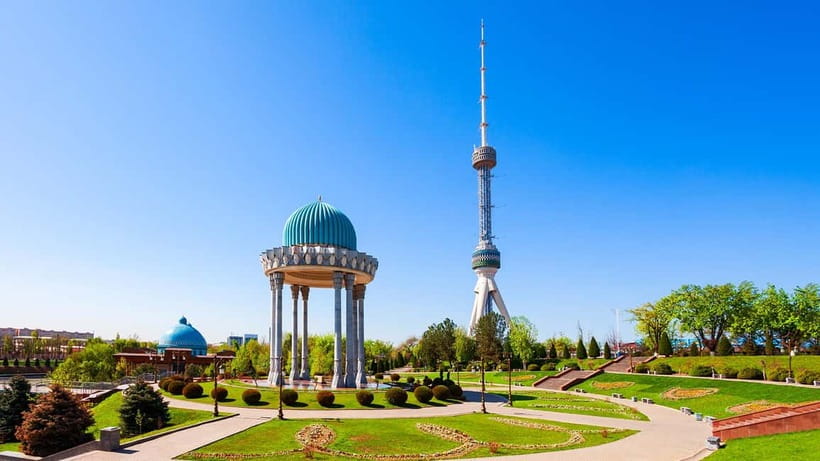
You close the day at the Tashkent TV Tower, described as the tallest structure in Central Asia. You’ll take an elevator to the observation deck for panoramic views of the city and surrounding areas. This final stop is built for that wow moment—after hours of domes and station design, you finally see Tashkent from above.
If you care about city layout—how far different neighborhoods stretch, where green areas sit, and how the skyline feels—this is the easiest place to get that “big picture” view in one go.
Timing matters. If clouds roll in, the views might be softer. If the sun cooperates, you’ll get better contrast and more satisfying photos. Either way, the observation deck is a strong way to end a day that started with faith and moved through daily life and modern design.
Price and Value: Is $125 per Person Worth It?
At $125 per person for a seven-hour private tour, you’re paying for a few key things: hotel pickup and drop-off, a professional guide, transportation between sites, and all taxes. The private format matters too. It’s one group, not a crowded bus day where you spend half your time waiting.
The biggest value driver is efficiency. You hit major sights that are spread out enough that self-guiding can cost time and attention. The guide also adds meaning at spots where a quick look might leave you guessing.
The main cost wrinkle is what’s not included: admission tickets and food and drinks. That means your true day cost depends on entry fees and what you choose to eat beyond the included plan. If you’re the type who likes to keep costs tight, this might feel like a sticker shock until you budget for it. If you’re happy treating lunch and entrances as part of the experience, the total still compares well to paying for transport plus guide help separately.
Who This Tour Fits Best (and Who Should Skip It)
This tour fits best if you want a first-time overview of Tashkent with a guide who can explain what you’re seeing. It’s also ideal if you love design details, since the metro stations are a star feature and the Hazrati Imam complex adds architectural context.
You should consider another option if you:
- need wheelchair access or have mobility limitations (the tour is not suitable for wheelchair users and people with mobility impairments)
- want a fully self-paced day with no walking between stops
- don’t want to pay extra for admissions and lunch
On the plus side, the private group format tends to make the day feel calmer. You’re not fighting for space at the metro or stuck in the back of a large crowd.
Should You Book This Private Full-Day Premium Car Tour?
I’d book it if you’re doing Tashkent for the first time and you want one day that touches the big anchors: Hazrati Imam complex, Chorsu Bazaar, Tashkent Metro stations, plov at the Pilav Centre, Amir Temur museums, and the TV Tower viewpoints. The mix is smart, and the timing keeps it from turning into a grind.
Skip it if your budget is tight and you’d rather handle entrances and meals on your own, or if mobility is a concern. In that case, the walking and city movement may not match your needs.
If you want flexibility, this tour offers free cancellation up to 24 hours in advance for a full refund, and reserve now & pay later is available. That helps if your plans in Uzbekistan are still shifting.
If you want a smooth, guided day with standout metro architecture and an actual Uzbek lunch stop, this is a solid call.
FAQ
How long is the Tashkent private full-day city tour?
The tour lasts about 7 hours.
What’s included in the $125 per person price?
Hotel pickup and drop-off, a professional guide, transportation between sites, and all taxes are included.
Is lunch included?
No. Lunch and admission tickets are not included, and food and drinks are not included.
What places do I visit during the day?
You’ll visit the Hazrati Imam complex, Chorsu Bazaar, Tashkent Metro stations (including Alisher Navoi and Kosmonavtlar), the Pilav Centre for plov, the Amir Temur Museum / State Museum of the Temurids area, Amir Temur Square, and the Tashkent TV Tower.
Does the tour include the Tashkent Metro ride?
Yes. You’ll go into the metro and visit stations such as Alisher Navoi and Kosmonavtlar.
What language is the guide?
The live tour guide is offered in English and Uzbek.
Can I take photos?
Photography is allowed, but restrictions can apply at certain sites.
Is it suitable for wheelchair users or mobility impairments?
No. The tour is not suitable for wheelchair users or people with mobility impairments.