REVIEW · LAHAINA
Small-Group Luxury Tour: Road to Hana and Ka’eleku Cavern Day Trip
Book on Viator →Operated by Temptation Tours, Inc. · Bookable on Viator
Road to Hana without the white-knuckle driving.
I like how this tour mixes Ka’eleku Cavern with Maui’s famous drive, without sacrificing comfort. Two things I really value are the eight-person luxury limo-van (air-conditioning, plush seating, extra-large windows) and the included cave visit with gear and handrails. The main trade-off is simple: it’s still a long day, and the Road to Hana takes time no matter how nice the van is.
This is also the kind of plan that helps you actually enjoy Hana. You get pickup, snacks, a real picnic lunch, and guidance on when to pause for photos and how to read what you’re seeing. One thing to consider upfront: at least one previous day ran long enough that some people felt the day could be tighter.
In This Review
- Key takeaways before you go
- A limo-van for the 617 curves and 54 one-lane bridges
- Breakfast and drinks that keep the early drive from feeling dull
- Ke’anae Point: taro fields and lava meeting the Pacific
- Waikani Falls: where water does the talking
- Ka’eleku Cavern: Pele’s lava world underground
- Cave comfort tips (so you enjoy it, not just tolerate it)
- Lunch near the cavern: picnic energy, not cafeteria energy
- Hana Tropicals: plants and gardens as the pace-break
- Wai’anapanapa State Park: black sand and lava sea arches
- The Road to Hana return: freshwater breaks and a Maui-style unwind
- Small group service: why eight people feels different
- Timing and expectations: why 9–10 hours can feel longer than it sounds
- Guides can make or break the day
- Price and value: is $385 per person worth it?
- What to bring so the day feels easy
- Should you book this Road to Hana and Ka’eleku Cavern day trip?
Key takeaways before you go

- Ka’eleku Cavern time and structure: about 40 minutes, with handrails and a relatively smooth cinder trail through the tour area.
- The comfort upgrade is real: a limo-van maxing at eight, with individual padded captain chairs and big windows for less neck strain.
- You get both geology and gardens: lava formations underground plus bamboo, waterfalls, and a stop at Hana Tropicals.
- Food is built in: morning pound cake with Kona coffee, then an included picnic lunch near the cavern.
- Photo and pause strategy: your guide builds in restroom stops, and some guides go the extra mile with phone/photo coaching.
A limo-van for the 617 curves and 54 one-lane bridges
The Road to Hana is famous because it’s beautiful and a little wild. The problem is you’re doing the driving on roads with 617 curves and 54 one-lane bridges, plus constant pull-offs, slow traffic, and weather changes. If you’d rather watch the scenery than manage the steering wheel and timing, this is built for that.
You start early with hotel pickup (typical start time is 7:00am). From there, you ride in a luxury limo-van designed for long hours: air-conditioning, plush seating, and extra-large windows so you can take in the coast and rainforest without constantly shifting position.
I also like the small-group ceiling of eight. That keeps the day from feeling like a cattle call, and it tends to make stops more practical—everyone can find a place to stand, take photos, and get moving again without chaos.
Breakfast and drinks that keep the early drive from feeling dull
This tour begins with an included light morning snack. You’ll have pound cake plus fruit juice and Kona coffee, then bottled water and tropical fruit juices during the day.
It’s a small detail, but it matters when you’re leaving Maui early. Road to Hana days can stretch, and having something in your stomach before the first major viewpoint means you’re less likely to feel stuck once the schedule starts rolling.
One practical note: pack for the temperature swings. Even if the van is comfortable, Hana can feel cool and damp in the morning, then warmer later. A light layer helps.
Ke’anae Point: taro fields and lava meeting the Pacific
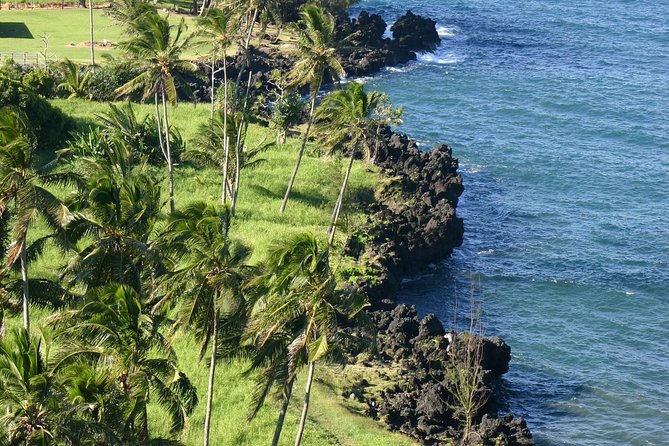
Your early stops set the tone for what makes Hana special: nature that looks lived-in, not staged. Ke’anae Point is one of those classic Maui scenes—peaceful taro fields in the foreground, jagged lava lines cutting toward the ocean, and surf crashing against the rock.
This stop is typically short, about 30 minutes, which is enough for quick photos and a slow look without turning the day into a long series of stand-and-wait moments. If rain or fog shows up, your best move is to focus on what’s visible right then. The rock shapes and water movement still read well even when the views aren’t crystal clear.
Waikani Falls: where water does the talking
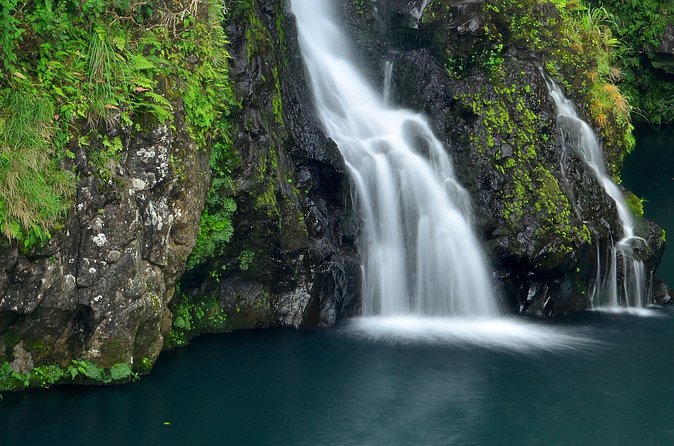
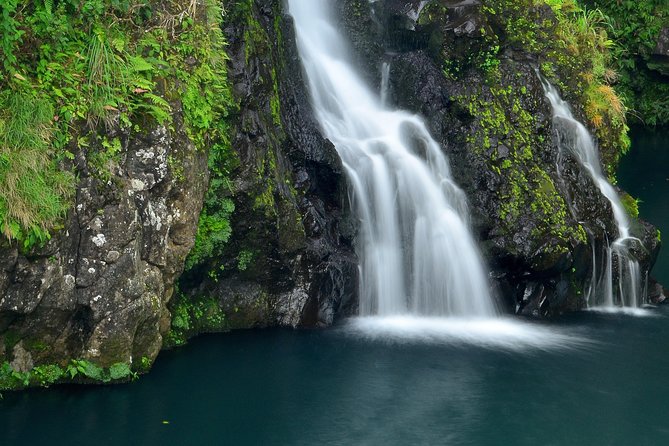
Waikani Falls is part of the experience because it gives you that wet, rainforest energy Maui is known for. You can see shimmering pools of rainwater and feel how much water is feeding the falls and surrounding greenery.
This is also the kind of stop that works for both photographers and swimmers—depending on conditions and timing. One of the advantages of having a driver-guide is they can steer you toward the best vantage points quickly, instead of you guessing where to stand.
Ka’eleku Cavern: Pele’s lava world underground
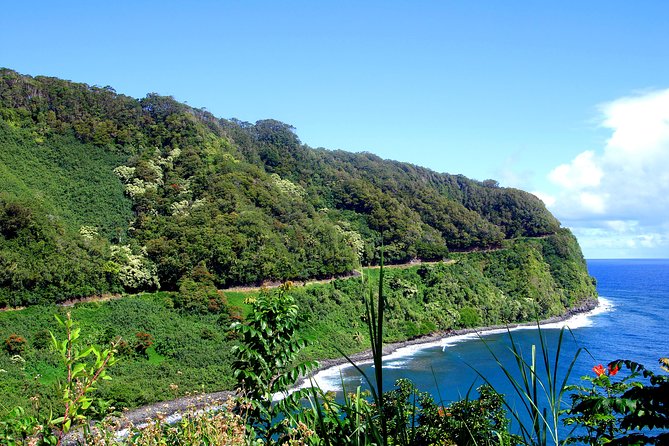
Ka’eleku Cavern is the main reason many people pick this tour over the simple Road to Hana sightseeing route. It’s a big underground cave system with ancient volcanic origins, formed by volcanic activity thousands of years ago. The story ties it to Pele, the Hawaiian deity of fire, which adds meaning to what would otherwise be just rock shapes.
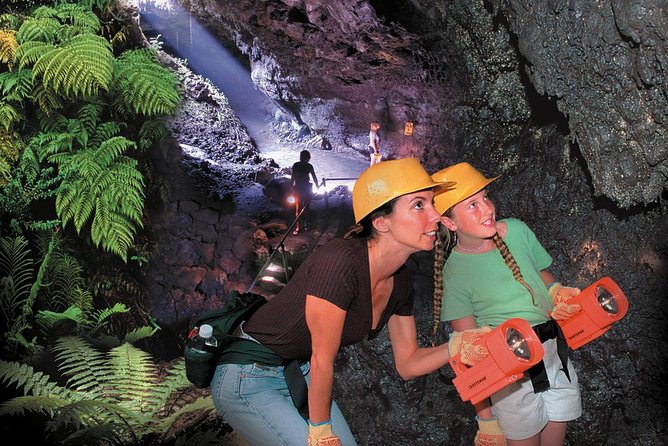
Inside, you’ll walk through a tour route that’s designed to be manageable for most people. The cave tour includes handrails, informative signage, and a relatively smooth cinder trail through the walking portion. It’s also described as warm and comfortable—another smart choice for an all-day plan.
What you’re looking at is the wow-factor geology: stalactites and stalagmites, plus hardened lava described as chocolate-like mounds and other lava swirls over 30,000 years old. You’ll also see formations that look like elephant’s foot shapes. If you like taking photos, this is one of the most rewarding spots—because you’re photographing textures, not just scenery.
Cave comfort tips (so you enjoy it, not just tolerate it)
Bring a camera or phone and expect that lighting will be dim, so use steady hands or a portrait/night mode if your phone has it. Wear comfortable walking shoes because you’re on a cave surface, not a paved sidewalk. If you’re sensitive to tight spaces, you’ll still find the experience straightforward, since the tour portion is set up for safe walking with supports.
Lunch near the cavern: picnic energy, not cafeteria energy
After the cave visit, you eat lunch at a pavilion near the cavern. This is a real recovery moment—cave walking and humid outdoor stops can add up, and sitting down matters.
The menu is included and built around local-friendly flavors: grilled herb marinated chicken breast and lightly blackened 7-spice seared ono, plus mixed greens, vegetable pasta salad, brownie, and fresh fruit. Vegetarian, vegan, and gluten-free lunch entrees are available if you specify dietary needs.
I like this format because it avoids the common Hana problem of trying to decide what to eat while everything else is moving. You get a set plan, and you can focus on enjoying what’s next without worrying about meal timing.
Hana Tropicals: plants and gardens as the pace-break
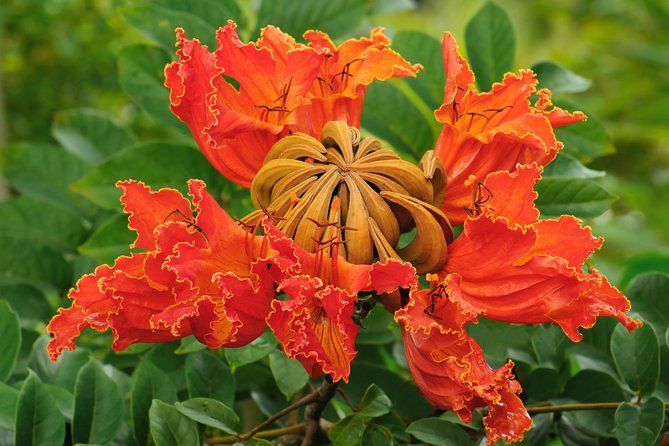
Once you’re further along the Hana route, you head into a different kind of sightseeing: Hana Tropicals, a plant nursery and garden full of flowers and vegetation. This isn’t just pretty scenery. It helps you connect the rainforest you’re driving past to the living plants growing right there in Hana’s microclimates.
A garden stop also gives your body a break from constant road-side hopping. You can slow down, walk at your own pace within the grounds, and take photos without feeling like you’re racing the schedule.
Wai’anapanapa State Park: black sand and lava sea arches

Wai’anapanapa State Park is the stop most people remember afterward, and it’s included. You’ll have about 45 minutes here, which is enough time to walk the black sand beach area, look for lava formations, and photograph the lava sea arches.
The black sand is the headline, but the rock geometry is what makes it special. Even if you don’t get perfect beach conditions, the lava shapes still photograph well, and you can often find spots with open ocean views where the scene reads clearly.
This is also a good place to reset your priorities. If your focus is beach time, you’ll want to move quickly at the start to avoid running out of time. If your focus is photos and rock formations, keep your walk tight and aim for the angles that show sea arches and shoreline texture.
The Road to Hana return: freshwater breaks and a Maui-style unwind
On the way back, the day shifts into lower gear. You’ll make time for swimming in a freshwater pool and take a more relaxed pace to let the scenery land.
This matters because Road to Hana is exhausting in a specific way: lots of driving time, frequent stops, and constant visual input. A guided return with planned pauses helps you feel like the day is a journey, not a checklist.
Some tours also include extra moments based on conditions and timing. For example, one guide-style approach can include quick sea-turtle spotting areas when timing lines up—so ask your guide if there’s anything worthwhile nearby based on where you are and what the day is doing.
Small group service: why eight people feels different
The vehicle is only part of the “luxury” story. The other part is how stops feel with eight people instead of a larger bus crowd.
In a smaller setup, you typically get better control over the day’s flow: less waiting at the curb, fewer time-sinks at attractions, and easier movement at photo spots. Several guides for this tour are known for creating a chill, informative vibe—one guest even singled out Scott for knowing great picture spots and coaching phone photo techniques on both Apple and Android.
There’s also practical comfort in the details. One example from a past day: after light rain, the guide used a squeegee on the windows so the group could see better through the glass. That’s not a marketing line—it’s the kind of service detail that changes how the ride feels.
Timing and expectations: why 9–10 hours can feel longer than it sounds
This trip runs about 10 hours. You’re leaving Maui early and returning to your hotel in the early evening, which means you’ll likely spend much of your day either in transit or walking short segments.
Even when the stops are well chosen, the Road to Hana is slower than it looks on a map. One traveler noted that the overall duration felt very long because the drive is slow with winding roads—so if you’re the type who gets motion-sick or needs frequent breaks, plan accordingly.
My suggestion: treat the day like a full-day hike with a driver. Bring water, wear shoes you trust, and keep snacks in your bag if you tend to get hungry between meals. The tour includes food, but your body might still prefer a little extra flexibility.
Guides can make or break the day
This is one of the biggest differences between a standard Road to Hana bus tour and a guide-led small-group day. A good guide doesn’t just tell you what you’re seeing. They help you understand why it looks that way and where to stand so the scenery looks its best.
From the names associated with past trips, you might meet guides like Sean, Scott, Sue, Melanie, Jimmy, Gail, Wayne, Gayle, Michael, or Steve. People praised guides for safety, humor, island stories, plant knowledge, and even photo help.
That doesn’t mean every day is identical, but it does mean your odds are good that you’ll get a guide who cares about the flow. If you want to maximize your day, take 30 seconds at the start and tell your guide what you care most about—caves, waterfalls, beach time, or photos. Then let them steer.
Price and value: is $385 per person worth it?
At $385 per person, this sits in the higher end for Road to Hana tours. The big value lever is that you’re not paying just for a ride—you’re paying for small-group luxury comfort, a cave tour, included meals, and full hotel pickup/drop-off.
Still, there’s a fair caution. One past guest felt the price ran about $50 higher than other Road to Hana options and said the day wasn’t packed with as many classic swimming or photo stops as other tours offer. Another person also felt lunch and comfort justified the cost, while one criticism pointed to limited time at black sand.
So here’s my take on value: if you want the cave as a priority and you’d rather sit comfortably in a small van than wrestle a long drive yourself, the cost can make sense. If your priority is maximum roadside stops and long beach/swim time, you may want to check how time is allotted at each stop before booking.
What to bring so the day feels easy
The tour gives you cave gear and includes food and drinks, but you’ll still want the basics for comfort and safety.
Bring:
- swimsuit and a towel (swimming is part of the day)
- bug spray (asked for in tour prep)
- comfortable walking shoes
- a camera or smartphone
- any light layer you like for cool, damp mornings
Also, if you’re sensitive to motion, consider motion-sickness prevention. You’ll be in a vehicle most of the day, even though the limo-van is comfortable.
Should you book this Road to Hana and Ka’eleku Cavern day trip?
Book it if you want a small-group luxury Road to Hana day with real structure: hotel pickup, cave time, included lunch, and set stops at Hana’s most famous scenic themes (taro-lava ocean views, waterfalls, black sand beach, and gardens).
Skip or reconsider if you’re chasing a very long list of specific swimming spots and extra roadside stops. A few people felt the day ran long, or that pacing and time allocation could be better for their preferences.
If you’re deciding today, here’s a smart decision rule: if Ka’eleku Cavern is a must-do for you, this tour is one of the more direct ways to get it without adding extra planning. If you’d rather do the Road to Hana in a more flexible way and skip the cave, you’ll likely find cheaper options—but you’ll trade away some of this comfort and meal structure.