REVIEW · HURGHADA
Private 02-Day Trips to Luxor from Hurghada with overnight 5-star Hotel
Book on Viator →Operated by Luxortourguide · Bookable on Viator
Luxor feels close when plans are handled for you. This private 2-day Luxor tour from Hurghada lines up the big names in one go, including Karnak on the east bank and the West Bank tomb sites, with an overnight in Luxor and pickup from your hotel. I like how it packages an English Egyptologist guide with air-conditioned transport, so you get context for what you’re actually seeing.
I also like that the schedule covers both sides of Luxor in two days, with breakfast and two included lunches to cut down on meal planning stress. One possible drawback: entrance fees aren’t included, so you’ll need to budget separately for site tickets on top of the $300 per person price.
In This Review
- Key things that make this Luxor tour a smart pick
- How the 2-day Luxor schedule works from Hurghada
- Day 1 at Karnak: the Avenue of Sphinx to the Hypostyle Hall
- Day 2 on the West Bank: Valley of the Kings, Hatshepsut, and Colossi of Memnon
- Valley of the Kings: why it’s more than just King Tut
- Hatshepsut’s temple: a carved story with three terraces
- Colossi of Memnon: the scale you can’t ignore
- Why the overnight 5-star hotel changes the whole experience
- Meals included: fewer decisions, more ruins
- The guides: what you should look for (and how Khaled and Mohamed fit)
- What you’ll pay extra for: entrance fees add up
- Pace and comfort: what to expect on your feet
- Who this 2-day Luxor tour is best for
- Should you book this Luxor trip?
- FAQ
- What’s included in the tour price?
- Are entrance fees included for Karnak and the West Bank sites?
- Do I get hotel pickup from Hurghada?
- How much of Luxor does this cover?
- Is the tour private or shared?
- Is cancellation possible for a full refund?
Key things that make this Luxor tour a smart pick
- East and West Bank Luxor in just 2 days: Karnak first, then the Valley of the Kings area, with time for classic monuments in between
- An English Egyptologist guide: you’re not just walking among ruins; you get explanations while you go
- 5-star hotel overnight in Luxor: you sleep there, which makes the whole trip feel less like a nonstop bus ride
- Meals already handled: breakfast plus two lunches means fewer stops, less decision-making
- Private-group setup with pickup and A/C vehicle: easier timing and less crowd chaos
- Guides with real polish: in past trips, guides like Khaled (often spelled Khalid) and Mohamed have been praised for being on time, friendly, and flexible with pace
How the 2-day Luxor schedule works from Hurghada
This trip is built for travelers who want Luxor without turning their vacation into a logistics project. You start in Hurghada, then head to Luxor by air-conditioned vehicle. The drive is around 4 hours, and the planning is set up so you’re not figuring out connections, tickets, or guides on your own.
The tour is private, meaning it’s designed for your group only. That matters because you get fewer awkward pauses and more control over timing, especially when you’re switching between the east bank (temples like Karnak) and the west bank (tombs and memorial sites).
You can also read our reviews of more tours and experiences in Hurghada.


Day 1 at Karnak: the Avenue of Sphinx to the Hypostyle Hall
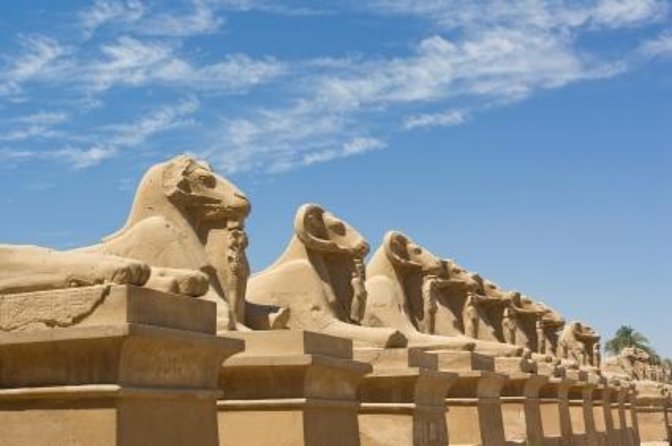
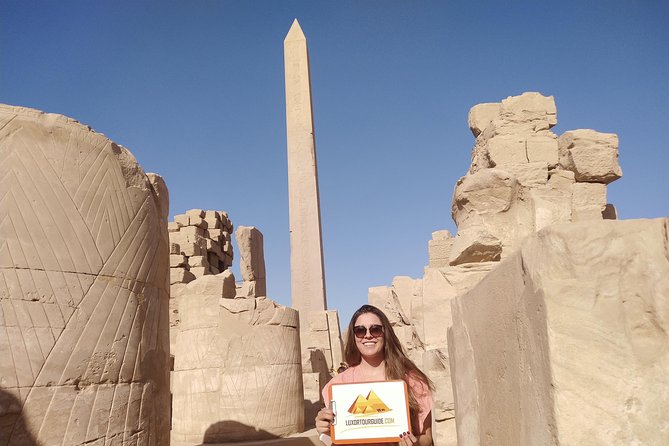
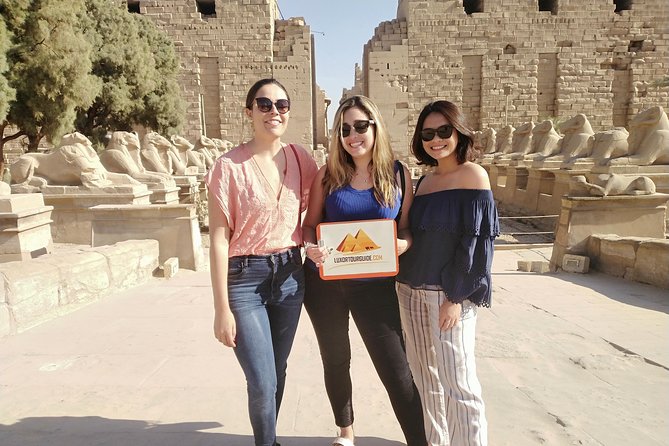
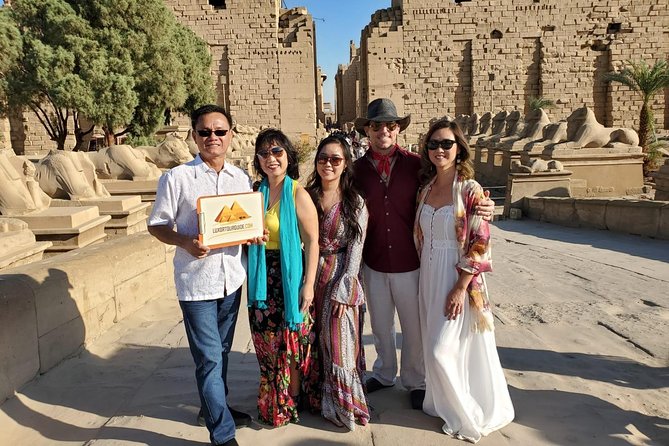
Day 1 is all about the Temples of Karnak, one of the most complete “you-are-here-in-history” experiences in Egypt. You’re picked up from your Hurghada hotel and transferred to Luxor, then you enter the complex walking along the Avenue of Sphinx. That entrance matters because it sets the tone: you’re not just seeing buildings, you’re walking through a ceremonial approach that already feels ancient before you even reach the main courts.
Your Egyptologist guide explains how the grand facade was constructed and how the complex grew over time, shaped by different pharaohs. I like the way Karnak is framed here: the deeper you walk into the site, the further back in time you go. The oldest parts are said to date back over 3,000 years, which makes the whole place feel like layers stacked on layers.
The “wow” moment is the Great Court and then the Great Hypostyle Hall. This is where you see the famous 134 columns rising like an ancient forest. It’s overwhelming in the best way, and a guide helps you avoid the common trap: staring at details without understanding why each area exists and what it was doing for the people who built it.
Practical note: site admission tickets aren’t included, so plan to pay those separately once you’re there.
Day 2 on the West Bank: Valley of the Kings, Hatshepsut, and Colossi of Memnon
After breakfast in your hotel, you cross the Nile to Luxor’s west bank, where the mood shifts from temple life to funerary monuments. Day 2 focuses on the Valley of the Kings area, plus major surrounding highlights.
Valley of the Kings: why it’s more than just King Tut
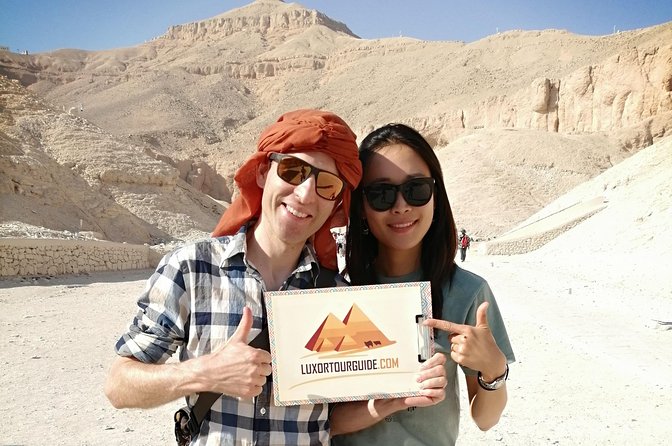
The main stop is the Valley of the Kings, linked to tombs from the New Kingdom. The tour notes that there are tombs associated with kings from around 1550 BC, and the number of tombs tied to the site is given as 62.
You visit three tombs during your time there. That’s a good balance: enough variety to understand how these tombs work, without feeling like you’re speed-walking through everything. The tour also flags that the tomb of King Tut Ankh Amun is included as an option with an extra ticket, so if Tut is your priority, you’ll want to be ready for that additional cost.
The main value here is how the guide connects the tombs to the bigger story: what changes over time, how the design supports the beliefs, and what you should look for inside once you’re standing in the tomb rooms.
Hatshepsut’s temple: a carved story with three terraces
Next you visit Hatshepsut Temple, a rocky-cut temple shaped with a modern-feeling layout. The description highlights three terraces, and it’s worth paying attention to how the design steps up, because it’s part of what makes the temple feel dramatic even after thousands of years.
This stop works well after the Valley of the Kings because it shows another side of power: not only royal burial, but royal commemoration and building as political message.






Colossi of Memnon: the scale you can’t ignore
You finish with the Colossi of Memnon, described as two huge statues of Amenhotep III, with the ruins of his temple nearby. Seeing them in person is a scale lesson. Even if you know the names from books, the statues give you a real sense of how massive these monuments were meant to be.
If you love architectural “size shocks,” this is the closer that sticks in your memory.
Lunch is included on Day 2, then you head back to Hurghada by vehicle after your West Bank circuit.
Why the overnight 5-star hotel changes the whole experience
A lot of Luxor day trips are built like a sprint. This one adds an overnight stay in a 5-star hotel in Luxor with breakfast, which is not just a comfort upgrade—it changes how you experience the sites.
Sleeping in Luxor means you’re not doing the “wake up, rush, see a site, rush again” rhythm all day. It also gives your brain time to reset between the east bank temple focus of Karnak and the West Bank tomb mood. Luxor can feel intense under direct sun and long walking stretches, so having a real hotel in the middle is a practical win.
You’re also set up for breakfast before the west bank day begins, which matters when you’re crossing the Nile and then spending long hours at multiple open-air sites.
Meals included: fewer decisions, more ruins
This trip includes breakfast plus two lunches. That’s one of those quiet quality-of-life features that makes a big difference in Egypt. Instead of hunting for food between stops (or guessing what will be open when your tour schedule hits), your plan already has built-in meal time.
The lunches are included, but drinks aren’t listed as included. Plan to budget for water or other beverages separately. If you’re sensitive to heat, it’s smart to bring sun protection and to expect that food stops are timed around the walking breaks, not around your schedule.
The guides: what you should look for (and how Khaled and Mohamed fit)

The tour includes an English Egyptology guide, and the names you’ll hear in past trips are Khaled (sometimes shown as Khalid Alhowary) and Mohamed. The strongest praise is consistent: guides who know the history well, show up on time, and stay friendly instead of turning the day into a lecture.
One reason this kind of guide matters is that Karnak and the Valley of the Kings can turn into “cool stones” if you don’t know what you’re looking at. With an Egyptologist leading the walk, you get the storyline while you’re in the space. That’s the difference between reading about a site and actually understanding why it was built the way it was.
You’ll also see mentions of guides being flexible with pace—meaning you’re less likely to feel rushed when you’re inside tombs or stopping to take photos. That flexibility can be especially helpful if you’re traveling with kids or if your group wants more time at fewer stops.
What you’ll pay extra for: entrance fees add up
The headline price is $300 per person, and it includes a lot: pickup, air-conditioned transport, a 5-star overnight with breakfast, an Egyptologist guide, and two lunches.
What’s not included is the part that often surprises people: entrance fees to the sites. Since tickets cover multiple monuments over two days, you should expect a separate payment during the tour. If you’re trying to plan your total trip budget tightly, treat entrance fees as the main add-on.
Also note that gratuities are recommended, which is common for guided touring in Egypt. If you’re the type who likes to budget everything in advance, set a small amount aside.
Pace and comfort: what to expect on your feet
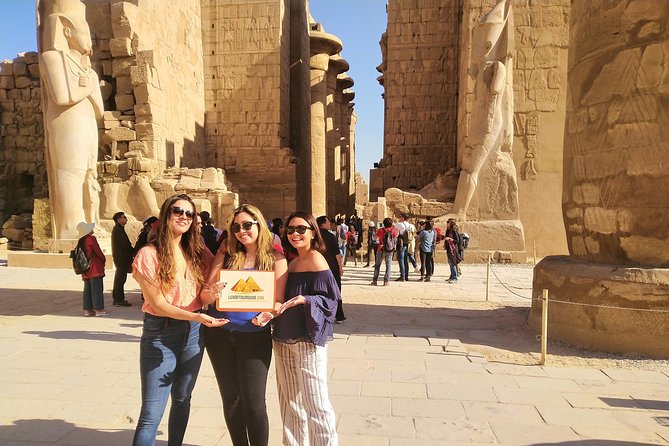
This is a sightseeing-heavy plan. Karnak’s big courts and Hypostyle Hall involve walking and time spent under strong sun. Then Day 2 adds more open-air walking plus time at tombs and temples that often mean steps, uneven ground, and lots of time looking up.
If you’re heat-sensitive or you want to move slower, choose this tour because it’s private—your guide is more able to adjust pace than a large-group bus run. It’s also why an overnight helps: you’re not stacking exhaustion on top of a full driving day twice.
A small practical note from past travelers: sun screen is a must in this part of Egypt. Bring it, and reapply as needed.
Who this 2-day Luxor tour is best for
I’d aim this tour at travelers who:
- Want Luxor’s top sights without self-planning
- Prefer a guide-led experience with history explained in plain English
- Want a real overnight rather than a full day trip
- Like the idea of covering Karnak plus the West Bank in a short, efficient window
If you’re the kind of traveler who loves deep research at your own pace, you might want to add extra time in Luxor after this tour. This plan is designed to hit the essentials, not to turn into a weeks-long archaeology study session.
Should you book this Luxor trip?
Book it if you want an easy, high-comfort route to Luxor’s most famous monuments—especially if you value the Egyptologist guide, the private pickup/transport, and the 5-star overnight that makes two days feel manageable.
Hold off or ask questions first if you’re trying to lock in your exact total cost, because entrance fees aren’t included and those tickets can meaningfully change your final spend. Also, if you have very limited mobility or you struggle with long walking days, you should discuss your needs with the provider before you commit, since the plan includes major walking through large temple complexes and the West Bank circuit.
FAQ
What’s included in the tour price?
The tour includes breakfast, lunch (2), a qualified English Egyptology guide, transport by air-conditioned vehicle, and accommodation at a 5-star hotel with breakfast.
Are entrance fees included for Karnak and the West Bank sites?
No. Entrance fees to all sites are not included, so you’ll need to pay them separately.
Do I get hotel pickup from Hurghada?
Yes, pickup is offered from your hotel in Hurghada, and you’ll also be transferred during the trip between Hurghada and Luxor.
How much of Luxor does this cover?
You visit key sites on both sides of Luxor. That includes Karnak on the east bank, and on the west bank you’ll go to the Valley of the Kings, Hatshepsut Temple, and the Colossi of Memnon.
Is the tour private or shared?
This is a private tour/activity. Only your group participates.
Is cancellation possible for a full refund?
Yes. There is free cancellation, and you can cancel up to 24 hours in advance for a full refund. The experience also notes it requires good weather.