REVIEW · OSAKA
Premium Kimono Dressing, Tea Ceremony, Calligraphy, Samurai show
Book on Viator →Operated by 道-michi- · Bookable on Viator
Kimono, matcha, and samurai in one stop. At 道-michi- in Osaka, this is a hands-on culture mix where you get a guided kimono dressing and then move through classic traditions at an easy pace. It’s the kind of plan that lets you go from street to period-drama without needing to figure out anything yourself.
What I really liked most was the tea ceremony portion, including making your own matcha, and then the calligraphy time where you get taught steps you can actually follow. One thing to consider: the kimono dressing is women only, and armor dressing is not included in the price.
In This Review
- Key Highlights You Should Know
- Where You’ll Start: Shinsaibashi Area and a Culture-Focused Setting
- The Kimono Dressing Moment: Fun, Photo-Worthy, and Actually Guided
- Tea Ceremony and Making Matcha: What You’re Learning Beyond the Tea
- Calligraphy Workshop: A Simple Skill With a Tangible Result
- Traditional Music and Samurai Sword Performance: Where the Energy Comes From
- Photos, Courtyard Time, and the Historical Gallery Feel
- Armor Dressing and Souvenirs: What’s Included vs. What Costs Extra
- Price and Value for a 3-Hour Culture Package
- Who This Tour Is Best For in Osaka
- Quick Booking Thoughts: When to Book and How to Plan Your Timing
- Should You Book 道-michi- in Osaka?
- FAQ
- FAQ
- Is kimono dressing included?
- How long does the experience last?
- What activities are included in the ticket?
- Is armor dressing included?
- Where does it take place?
- What ticket type do I need?
- Is there a souvenir cost?
- Can I cancel for free?
- How far in advance do I need to cancel for a full refund?
Key Highlights You Should Know
- Kimono dressing in Osaka with step-by-step help so you’re not guessing
- Make your own matcha during the tea ceremony, not just watching
- Calligraphy lesson that helps you produce something you’ll want to keep
- Traditional music paired with samurai sword performances for a full cultural show
- Courtyard + historical gallery vibes that make photos feel natural, not staged
- Extra-cost options like armor dressing and souvenirs, so you can plan your budget
Where You’ll Start: Shinsaibashi Area and a Culture-Focused Setting
This experience takes place in Osaka’s Shinsaibashi area, with the meeting point at Shinsaibashi ARTY Inn. The neighborhood matters because you can pair this with other sightseeing without spending half your day on transit. The tour is also described as near public transportation, which is a big deal in a city where trains and walking can vary a lot by weather and time of day.
Once you arrive, the atmosphere is the point. You’re not shoved into a loud, high-speed “see everything” routine. Instead, you’ll work through the traditions in a calm setting, with the chance to explore a serene courtyard and a historical gallery style of space between activities.
You can also read our reviews of more tours and experiences in Osaka.

The Kimono Dressing Moment: Fun, Photo-Worthy, and Actually Guided
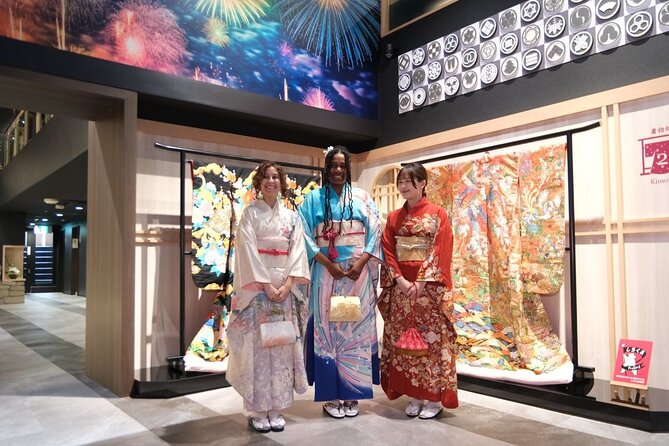
The highlight for many people here is the kimono dressing. It’s women only, and the staff walks you through the steps rather than handing you a costume and hoping for the best. That guidance is what makes the experience feel special, because it turns a “try-on” into a mini cultural lesson.
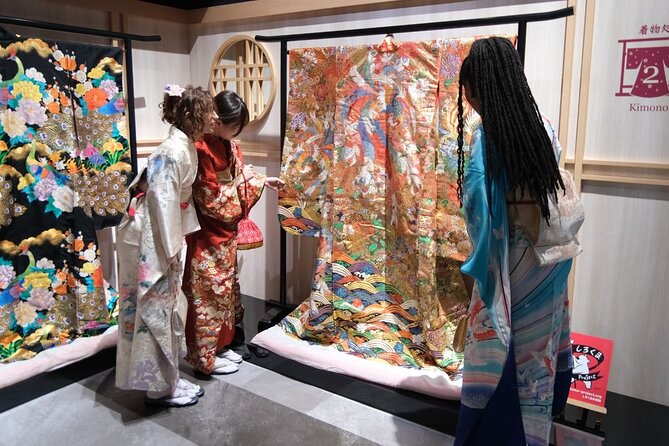
You’ll get time for photos, and the location’s courtyard/galleried setting is designed to make those photos look good without you having to hunt for backdrops. If you care about pictures, this is one of the best parts of Osaka to do earlier in your day. Once you’re dressed, you’ll spend the rest of the session focused on the activities, and your camera will already be set up.
Practical note: kimono dressing can feel like a “one size fits all” title, but the staff’s role is to adjust and guide you so you can move comfortably enough for tea and calligraphy. Plan on following instructions closely—fast hands and slow attention both tend to cause the same problem: undone steps.
Tea Ceremony and Making Matcha: What You’re Learning Beyond the Tea
The tea ceremony portion is not only ceremonial—it’s teach-you-the-basics practical. You’ll participate, and the experience description specifically calls out creating your own matcha. That matters because you get to connect the steps you’re doing with the culture behind them.
From a value point of view, tea ceremony experiences are often either too “watch only” or too rushed. This one is built as a 3-hour package that also includes calligraphy and music/samurai performances, so the tea part doesn’t feel like an isolated stop. You’ll leave with the feeling that you understood what you were doing, not just that you completed it.
Also, matcha changes how you experience the session. It gives you a task with a start and finish—something to focus on while your mind soaks up the rest. If you’re the type who learns better by doing, this section is a strong match.
Calligraphy Workshop: A Simple Skill With a Tangible Result
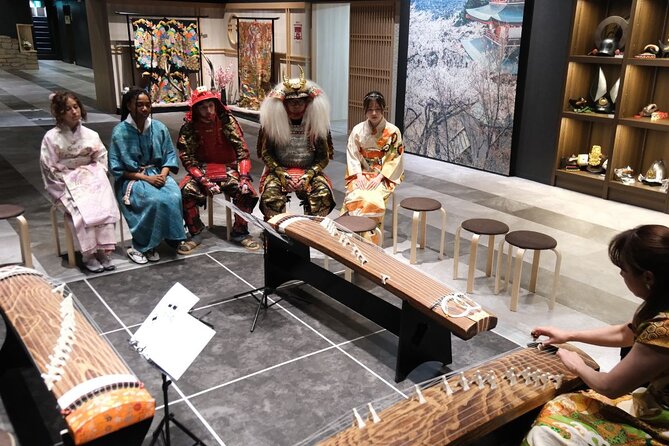
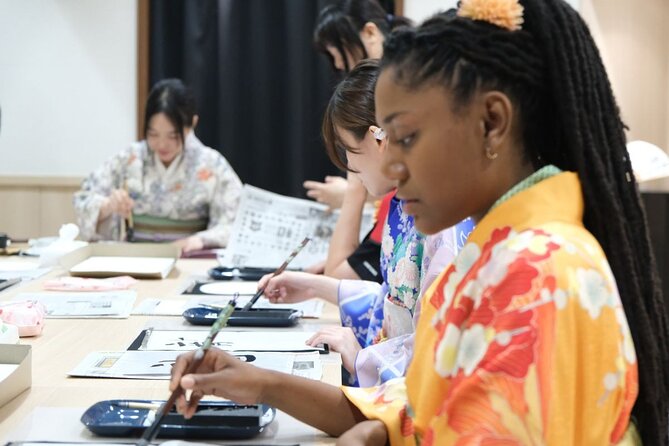
Calligraphy here is a real lesson, not a quick demo. You’ll do calligraphy as part of the program, and the tone from the participant feedback is that the staff explains meaning and steps clearly.
The practical magic of calligraphy is that it turns into an actual souvenir of the experience without needing to buy one. In one of the top-rated comments, people even mention having their efforts framed. That’s a big difference from the usual “take a photo and go” memory—your work becomes something you can display at home.
If you’re worried about getting something perfect, don’t. The point is learning the process and getting a result you made while wearing a kimono and doing a living Japanese tradition. Treat it like slow-motion travel: you’re not rushing, and you’re creating.
Traditional Music and Samurai Sword Performance: Where the Energy Comes From
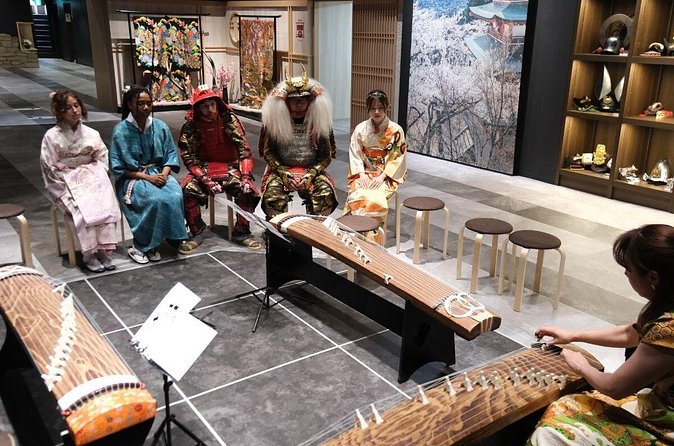
After the more hands-on activities, you’ll enjoy Japanese traditional music and samurai sword performances. This combination is smart. The earlier parts train attention—how you hold your hands, how you slow your movements, how you focus on tools. Then the performances add a different kind of energy that still fits the culture theme.
The sword show can be a great way to connect what you learn visually and emotionally with what you’ve been doing. You don’t have to be a Japan-history expert to appreciate it. Even if you know almost nothing going in, the staff’s explanations help you understand what you’re looking at.
If you’re traveling with family or friends who prefer performances over workshops, this section is your bridge. And if you’re traveling solo, it’s a confidence-builder. You’ll be in a program that includes both participation and viewing, so you don’t have to worry about being “the only one who doesn’t know what to do.”
Photos, Courtyard Time, and the Historical Gallery Feel
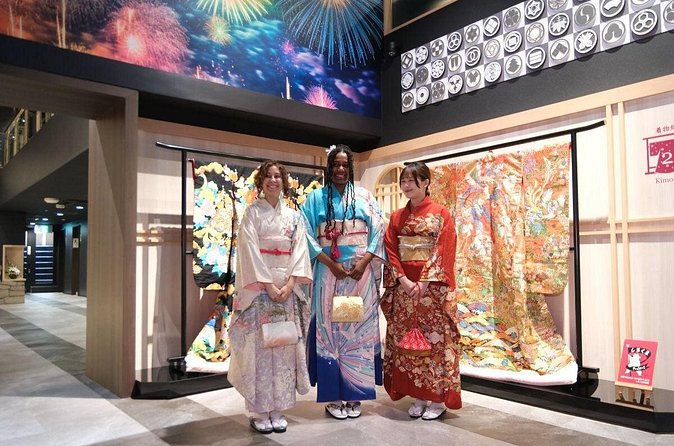
One underrated benefit is the chance to take photos in a calmer environment. The experience description calls out a serene courtyard and a historical gallery, and that’s exactly the kind of setting that makes a kimono look like it belongs rather than feeling like a costume in front of a wall.
This matters for two reasons. First, it helps your photos look natural even if you’re not a photography person. Second, it breaks up the session so it doesn’t feel like you’re only sitting through structured activities.
Tip for getting the best shots: time your photos around the transitions. Once you’re done with calligraphy and tea, ask to capture a couple of images in the courtyard/galleried areas before the performances wrap up. It keeps the memory loop tight: outfit, hands-on craft, then show.
Armor Dressing and Souvenirs: What’s Included vs. What Costs Extra
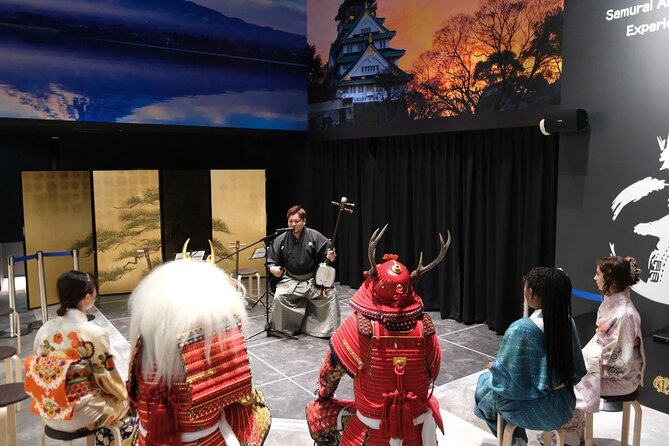
Here’s the part that can change your budget: armor dressing is not included. The listing also notes a souvenir cost of ¥10,000 per person, which is listed as not included.
That doesn’t mean you can’t do it. The experience summary and the participant comments suggest armor is an option and part of what people talk about most. It just means you should treat it as an add-on when you plan your total spend.
If you’re trying to keep costs down, you can still enjoy the core experience fully without armor. But if you want full samurai cosplay energy, decide upfront. When you know your priorities, you’re less likely to feel surprised by extra charges once you’re already in the moment.
Price and Value for a 3-Hour Culture Package
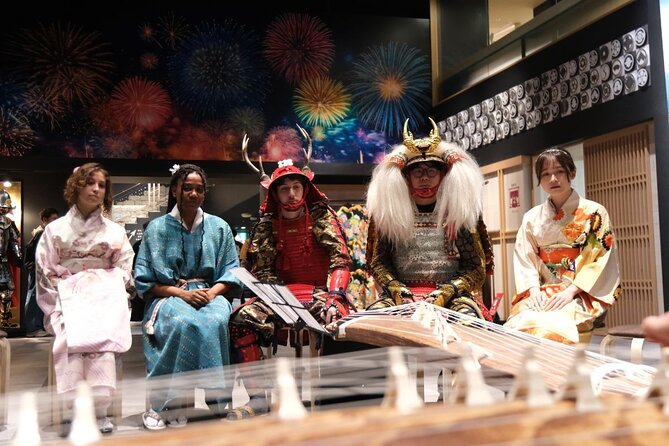
The price is $123.49 per person, and the tour lasts about 3 hours. On paper, that might look like a lot compared to a standard museum entry. In practice, you’re paying for guided participation in multiple traditions plus a costume element.
You do get several core inclusions: kimono dressing (women only), tea ceremony, calligraphy, and a Japanese traditional music performance. Plus, you’ll enjoy the sword performance as part of the overall program flow.
What’s the value logic? You’re not just paying to watch culture. You’re paying to be helped while doing it—dressing, making matcha, writing calligraphy, then taking in a show. That combination is hard to replicate on your own unless you line up multiple lessons and a translator-friendly guide.
One more practical detail: this uses a mobile ticket. That’s a small thing, but it reduces friction when you’re switching between Osaka transit and timed experiences.
Who This Tour Is Best For in Osaka
This is an especially good fit if you want a classic Japan experience without spending hours planning lessons. If it’s your first time in Osaka and you like the idea of trying a kimono while learning something real, this format is a smart choice.
It’s also ideal if you learn by doing. The tea ceremony and calligraphy are participation-heavy, and that tends to stick with people long after the photos fade.
One limitation for some visitors: kimono dressing is women only. If you’re traveling with mixed groups and you were hoping everyone could dress up, you’ll want to plan accordingly before booking. Armor dressing might be an option, but it’s clearly not included.
Quick Booking Thoughts: When to Book and How to Plan Your Timing
The data says this experience is commonly booked about 42 days in advance on average. That suggests it’s popular enough that you’ll get the best pick of time slots by booking sooner rather than later.
Also, plan for a smooth start and a calm finish. Since it’s roughly 3 hours, you’ll want to schedule it as a main event rather than squeezing it between two far-apart neighborhoods. The Shinsaibashi location helps, but it’s still better when you’re not racing the clock.
If you’re the type who likes flexibility, it’s described as having free cancellation up to 24 hours before the experience starts. You can keep that in mind if your Osaka plans are still changing.
Should You Book 道-michi- in Osaka?
I’d book this if you want a structured, hands-on culture session with real participation: kimono dressing, making matcha, doing calligraphy, and then getting the energy of traditional music plus a samurai sword performance. It’s a good value when you factor in the guided instruction and the time you save versus setting up separate experiences.
Skip it or plan carefully if kimono dressing being women only doesn’t match your group, or if you don’t want any potential add-ons like armor or souvenirs. If those details are fine with you, this is one of the cleaner ways to get authentic-feeling Japanese traditions in a single Osaka afternoon.
FAQ
FAQ
Is kimono dressing included?
Yes. Kimono dressing is included, but it’s women only.
How long does the experience last?
It’s about 3 hours.
What activities are included in the ticket?
The included activities are kimono dressing, tea ceremony, calligraphy, and Japanese traditional music performance. You’ll also enjoy the samurai sword performance as part of the program.
Is armor dressing included?
No. Armor dressing is not included.
Where does it take place?
In Osaka, with the stop listed at Shinsaibashi ARTY Inn. The experience is also described as near public transportation.
What ticket type do I need?
You’ll receive a mobile ticket.
Is there a souvenir cost?
Souvenirs are not included, and the price noted is ¥10,000 per person.
Can I cancel for free?
Yes, free cancellation is offered.
How far in advance do I need to cancel for a full refund?
You can cancel up to 24 hours before the experience starts for a full refund. If you cancel within 24 hours, it won’t be refunded.