REVIEW · TULAMBEN
Open Water + Advanced Course – Premium Certifications Package in Tulamben
Book on Viator →Operated by Dive Concepts Bali · Bookable on Viator
You can earn real scuba credentials fast in Tulamben. This 4-day Open Water + Advanced package in Bali pairs classroom basics with on-water skill practice. You also get the gear and local transfers, so you spend less time organizing and more time learning.
What I like most is the tight pacing: Open Water then Advanced right after, both with the same serious focus on technique. I also like that you go beyond theory, including key Deep and Underwater Navigation requirements, plus extra specialty options you pick based on your interests.
One thing to consider: this is not a casual “try it once” experience. You need moderate physical fitness, and you’ll be learning skills actively, not just floating around.
In This Review
- Key points
- Tulamben’s 4-Day Path to 30 M Certifications
- How the Two Courses Fit Together Over 4 Days
- Instructor Quality: Yogi, Rifky, Budi, and the Safety-First Style
- The Specialties That Matter: Deep, Underwater Navigation, and Your Extra Options
- Gear, Facilities, and the Comfort Stuff You’ll Actually Notice
- Transfers from Amed and Tulamben: Small Logistics, Big Stress Reduction
- Price and Value: What $660.39 Covers (and Why It’s Not Just a Cheap Deal)
- Who This Package Is Best For (and When to Prep Extra)
- My Bottom-Line Advice: Should You Book It?
- FAQ
- What certification depth does the Advanced Open Water aim for?
- What’s included in the package equipment?
- Do I need to arrange my own transportation from Amed or Tulamben?
- Is this experience private?
- How old do you need to be to take part?
- Is accommodation included?
Key points
- Open Water + Advanced back-to-back: you don’t wait around between courses
- 30 m / 100 ft certification goal: you’re training toward real depth
- Deep and underwater navigation are required: the course has a clear structure
- Specialty choices that match your vibe: from photography to fish ID to wreck-site exploration
- Gear is included: mask, regulator, BCD, wetsuit, and weight belt
- Instructors earn strong marks: calm, patient teaching with safety in mind
Tulamben’s 4-Day Path to 30 M Certifications
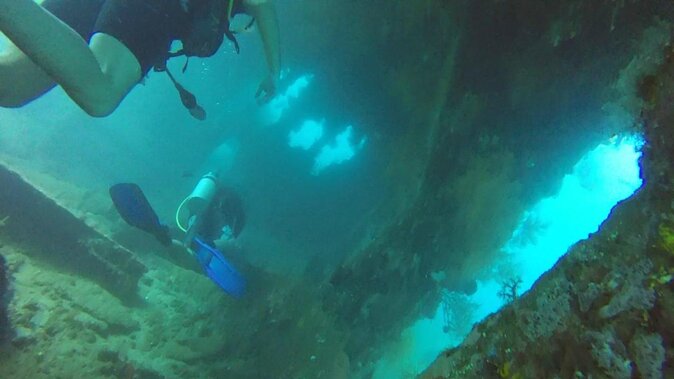
Tulamben is one of Bali’s easiest places to build scuba skills quickly. This package is designed for people who already know they want more than a beginner taste—aiming you at the Advanced Open Water certification level. The big promise is speed plus structure: you can go from first certification steps to a course outcome that takes you to 100 feet (30 meters).
The value starts with what’s included. You get instructor time, dive-center facilities like toilets, showers, lockers, and a change room, plus WiFi for downtime between sessions. On top of that, you’re covered with essential equipment: mask, snorkel, fins, buoyancy control jacket, a regulator, and other instruments, plus a wetsuit and weight belt.
You’re also not doing this solo. The format is a private activity, meaning only your group joins. That matters for learning, because it keeps instructor attention focused on your exact needs—especially when skills get more complex during the Advanced course.
You can also read our reviews of more tours and experiences in Tulamben.
How the Two Courses Fit Together Over 4 Days
The core setup is simple: you take the Open Water Course first, then start your Advanced Open Water just after you finish earning the Open Water certification. That “right after” timing is the point. Instead of forgetting skills between days, you practice them, get feedback, and then add new ones while the fundamentals are fresh.
In the Open Water portion, you’ll learn the basics and earn your first scuba certification. This course is known for being the most popular entry-level credential worldwide, which usually means the teaching follows a proven pattern: learn the why, practice the how, then get comfortable doing it calmly in the water.
Then comes the Advanced Open Water course, built to make you more confident and to teach more professional techniques. You’ll also plan a learning path with your instructor by selecting from specialty options. Some people gravitate toward buoyancy control or photography. Others want fish identification or exploring wreck sites. The key is that you’re not locked into one narrow track.
One practical note: this isn’t described as a strict “2 dives a day forever” schedule, but the course is designed as a 4-day block. Real life in Bali means water conditions can shift, so expect the exact flow of sessions to depend on weather and safety decisions.
Instructor Quality: Yogi, Rifky, Budi, and the Safety-First Style
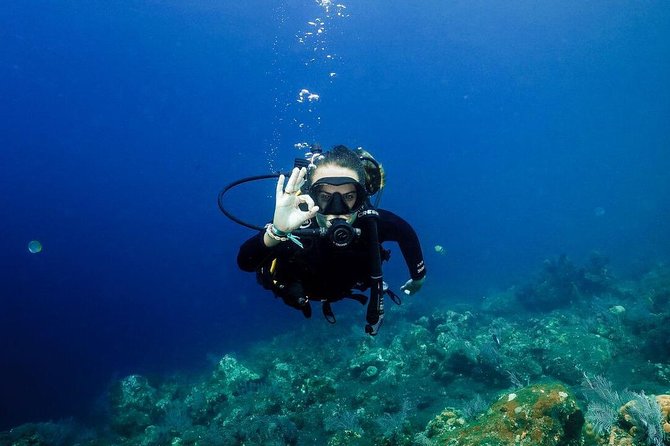
A lot of scuba training lives or dies on the instructor. Here, the feedback is consistently strong about teaching style and safety awareness. Names come up again and again in the experience details: Yogi, Rifky, Budi, Nico, and Niko.
I love how the best comments describe instructors who are friendly but also serious underwater. One person highlighted a teacher who was patient yet firm on safety. That’s exactly what you want in training: calm communication above water, plus clear boundaries and strong supervision once you’re in the water.
Instructors also get praised for clarity. Multiple people mention that skills were explained in a way that made questions feel easy to ask. That’s not a small detail—when you’re learning buoyancy, breathing control, and movement underwater, being able to ask simple questions without feeling rushed can make everything click.
Language also shows up. One comment thanks Marlene for a course in French, which suggests the center can sometimes match instruction language to the group. If you need French (or another language), ask early so they can confirm availability before you arrive.
Finally, the center itself gets credit for being clean and organized, with a safe, well-run feel. You’re handling gear and practicing skills, so a tidy setup and consistent supervision aren’t fluff—they reduce stress.
The Specialties That Matter: Deep, Underwater Navigation, and Your Extra Options
The Advanced Open Water certification isn’t just “more fun.” It’s structured around specific skill components. In this package, the required parts you should expect are Deep and Underwater Navigation. Those two pieces are the backbone of the certification outcome, and they explain why this training package feels more complete than a simple upgrade.
- Deep is there to help you handle deeper profiles with better control. The goal is up to 30 meters / 100 feet, so you should expect your training to prepare you for that environment, not just talk about it.
- Underwater Navigation is included because confident scuba includes knowing how to move and manage your route underwater.
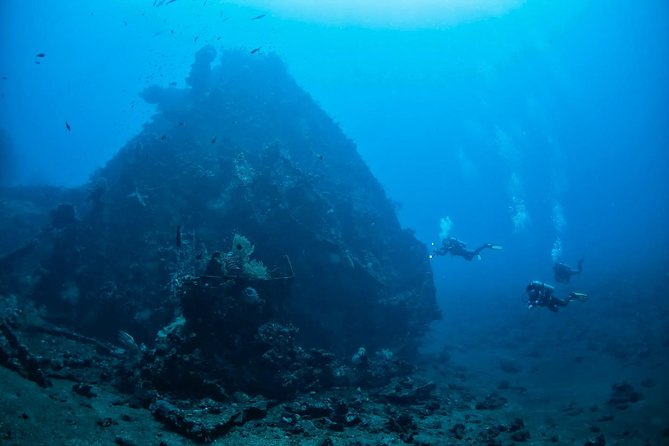
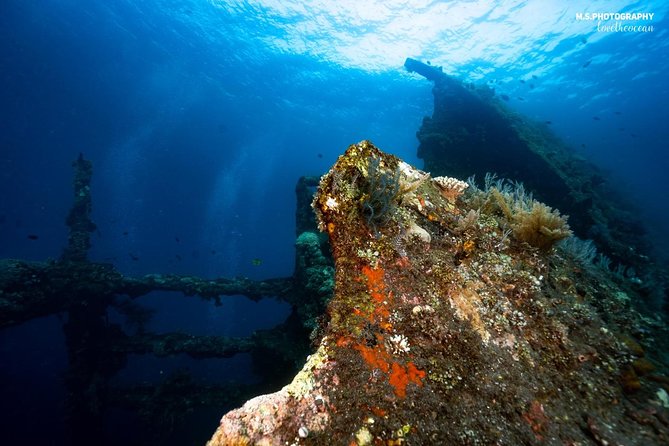
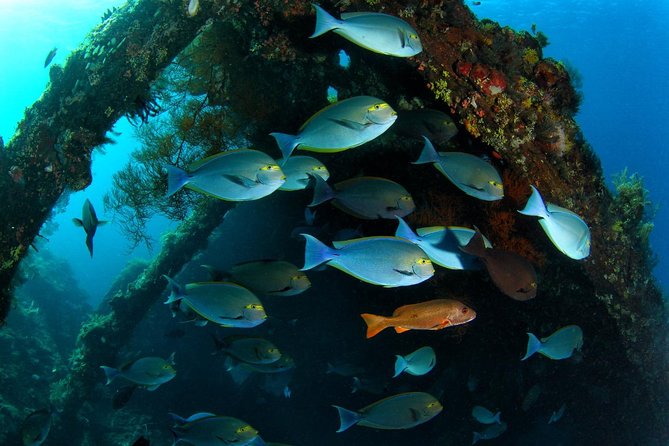
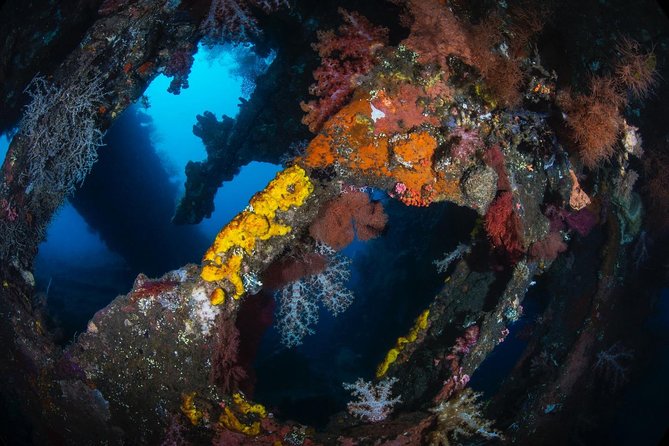
Then you choose three additional skill areas based on what you want to improve. The info provided includes examples like photography, buoyancy control, fish identification, and exploring wrecks. That last one matters in Tulamben, because wreck-site scenery is a big part of what makes the area popular for training and for later repeat dives.
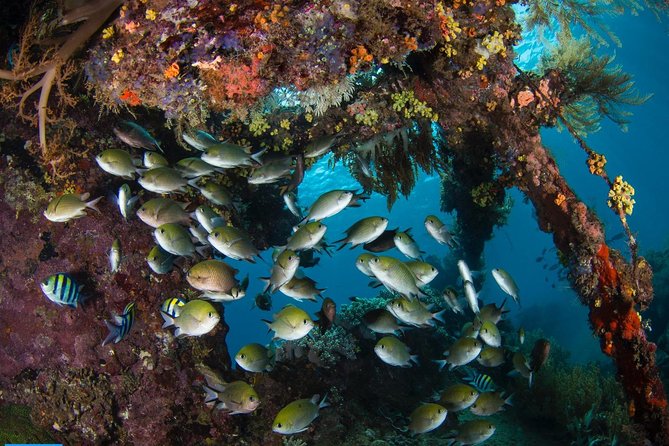
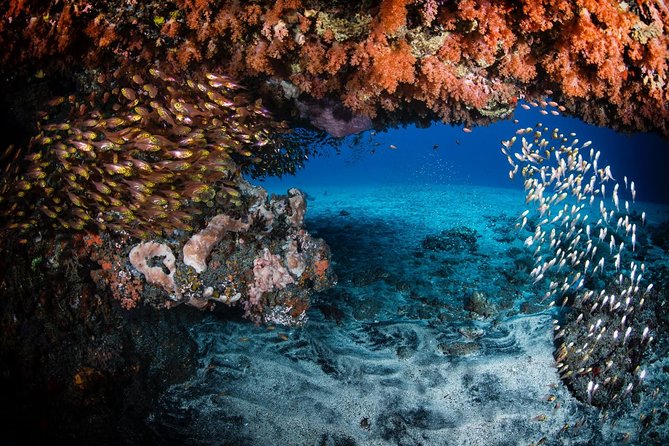
You might also see the marine life people commonly associate with this region. One course-goer called out moray eels, stingrays, octopuses, and turtles as part of their wreck and reef experience. Of course, marine life is never guaranteed, but the odds are generally good when you’re training around reef and wreck structures.
The best part of having specialty choices is that your certification becomes personal. You finish a course with skills you actually care about, not just the minimum checklist.
Gear, Facilities, and the Comfort Stuff You’ll Actually Notice
This package includes equipment, which is a big deal for value in Bali. You don’t have to rent everything separately or waste time shopping for gear that fits. Included items are listed clearly: mask, snorkel, fins, buoyancy control jacket, regulator, and other instruments. You also get a wetsuit and a weight belt.
What that means for you: you can focus on technique. When gear doesn’t fit right, learning slows down and nerves go up. Having a consistent kit from the start helps you settle faster.
The center also has practical facilities that reduce friction between sessions: toilet, shower, locker, and a change room. They even note WiFi, which sounds minor until you’re waiting between water sessions and you still want to check messages or plan the rest of your day.
There’s also a restaurant/warung at the center. Food and drinks cost extra, but it’s convenient because you don’t have to leave the property during a long training day.
If you want to stay nearby, accommodation like dormitory rooms and bungalows is available at the dive center, but it’s not included in the package price. So you’ll choose between paying for your own lodging in Amed/Tulamben, or staying on-site for maximum convenience.
Transfers from Amed and Tulamben: Small Logistics, Big Stress Reduction
Amed and Tulamben are spread out enough that getting to training can be annoying if you’re relying on ad-hoc transport every day. This package includes pickup and drop-off for Amed/Tulamben surroundings, which is one less moving part for your 4-day schedule.
That matters because the course is time-sensitive. You need to start sessions on schedule to keep training flowing from Open Water into Advanced. A transfer included by the operator reduces the risk of delays from traffic or driver confusion.
The meeting point is at the Tulamben center on Jl. Raya Singaraja (Dive Concepts Tulamben address is listed). The activity runs daily during opening hours noted as 7:00 AM to 8:00 PM, and the tour is stated as starting/ending back at the meeting point.
Since it’s private, your schedule is also more likely to be coordinated around your group’s pace. That’s a good match for people who learn faster with consistent support.
Price and Value: What $660.39 Covers (and Why It’s Not Just a Cheap Deal)
At $660.39 per person for about 4 days, this package sits in the mid-range for Bali scuba certifications, but the value comes from what’s bundled. You’re not only paying for course credentials. You’re paying for:
- Certified instructor support across Open Water and Advanced
- Equipment including wetsuit and weight belt
- Local pickup and drop-off in the Amed/Tulamben area
- Use of center facilities (locker, shower, and change room)
When you compare that to piecemeal booking—course + gear rental + separate transfers—the package structure often makes more sense. The included gear is the simplest win. Paying for multiple rentals while trying to fit them into a tight schedule is where “cheap” options can turn expensive fast.
You’ll still want to budget for what’s not included: digital photo/video souvenirs (available to purchase) and food at the center. Also, accommodation isn’t included in the package price, even though dorms/bungalows are available on-site.
If you’re the type who wants the training done in a clean, controlled way with minimal admin work, this package feels priced for that convenience.
Who This Package Is Best For (and When to Prep Extra)
This package is a strong fit if you:
- Are serious about getting certified and want the jump from Open Water to Advanced without dragging it out
- Prefer an instructor-led experience where safety and technique are emphasized
- Want to customize your improvement areas through specialty choices like photography, buoyancy control, fish ID, or wreck-site skills
It’s also a good match for travelers who care about group comfort and clear instruction. The strongest feedback notes patient, supportive teaching and a safe feel in the water.
There are a few considerations. Minimum age is 12 years. You also need moderate physical fitness. If you have mobility limitations or medical conditions that affect swimming or gear handling, you’ll want to plan carefully.
Also, keep in mind that this requires good weather. If conditions aren’t safe, the experience can be shifted or refunded according to the local weather-dependent policy. That’s not unique to this operator—it’s standard for open water training, especially when you’re pushing depth goals.
My Bottom-Line Advice: Should You Book It?
If your goal is to leave Bali with more than a souvenir and a vague interest, this package is a practical way to get there. The best reason to book is the structure: Open Water first, then Advanced immediately, with required Deep and Underwater Navigation training plus specialty options that match what you want next.
I’d book it if you value safety, clear instruction, and getting gear and transfers handled for you. The center’s consistently strong instructor feedback—especially around calm teaching and safety expectations—makes it easier to trust the process.
I’d think twice if you want a slow, relaxed introduction with no skills focus. This training is active. You’ll learn, practice, and improve on purpose.
If you do book, here’s my simple prep checklist: arrive with a calm mindset, ask questions quickly when anything feels unclear, and treat the first day of Open Water as the foundation for everything that follows.
FAQ
What certification depth does the Advanced Open Water aim for?
The package states you will get certified to dive to 100 feet (30 meters) by a professional instructor.
What’s included in the package equipment?
The included equipment list covers your mask, snorkel, fins, buoyancy control jacket, regulator, and other instruments, plus a wetsuit and weight belt.
Do I need to arrange my own transportation from Amed or Tulamben?
Pickup and drop-off are included for Amed/Tulamben surroundings, and the activity starts and ends back at the meeting point at the Tulamben center.
Is this experience private?
Yes. It’s listed as a private tour/activity, with only your group participating.
How old do you need to be to take part?
A minimum age of 12 years is required.
Is accommodation included?
Accommodation is not included in the package price. Dormitory and bungalows are available at the dive center if you want to stay nearby.