REVIEW · MILAN
Milan: Pasta & Tiramisu Cooking Class with Premium Products
Book on GetYourGuide →Operated by Milan Food Experience · Bookable on GetYourGuide
Homemade pasta, made in a real home. In Rafael’s hands-on Milan cooking class, you’ll learn fresh pasta and tiramisu basics while tasting top olive oil and balsamic—then eat what you make. I love the tight, step-by-step coaching and the fact that you leave with techniques, not just recipes; the one thing to consider is the setting is a private loft (not a big restaurant kitchen), so it’s cozy and small.
This is a 3-hour class in English for a small group of up to 8, with a family-style meal and a bottle of Italian wine (white or red). You’ll start with ingredient tasting in a historic Milanese building vibe, then move into the loft kitchen to cook, taste, and talk food culture.
With pricing at $80 per person, it can feel high at first glance—until you realize it includes the chef, tastings, two pasta dishes, tiramisu, and wine. If you’re the kind of traveler who likes practical skills and good ingredients over sightseeing checklists, this one hits.
In This Review
- Key Things You’ll Remember
- A Chef’s Loft in Milan, Not a Show-Kitchen Performance
- Ingredient Tastings That Teach Your Palate
- Fresh Pasta Workshop: Knead, Shape, and Use the Pasta Machine
- Two Pasta Dishes, Two Sauce Lessons: Tomato and Parmesan
- Tiramisu Method: The Steps Behind Italy’s Favorite Dessert
- Family-Style Meal with Wine: Eating Like You Cooked
- Price and Value: What $80 Really Buys in 3 Hours
- Who Should Book This Class—and Who Might Skip It
- Should You Book This Milan Cooking Class?
- FAQ
- How long is the cooking class?
- What is the price per person?
- How many people are in the group?
- Is the class taught in English?
- What dishes will I learn to make?
- Does the class include tastings before cooking?
- Is wine included with the meal?
- Where is the class located?
- Where do I meet the chef?
- Can I cancel for a refund?
Key Things You’ll Remember
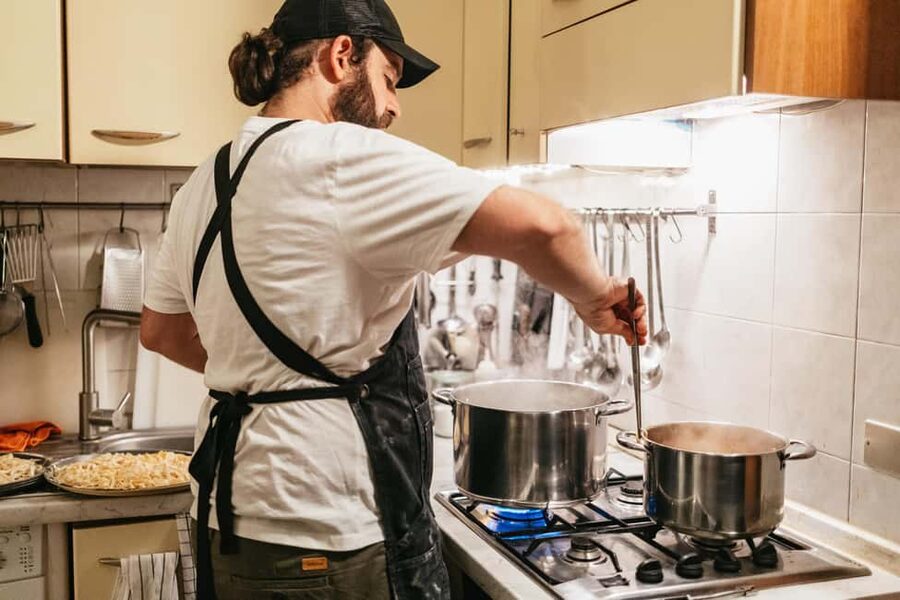
- Chef Rafael’s home setting: Cozy loft cooking, very personal and interactive.
- Two olive-oil and balsamic tastings: You learn what makes the flavors work before you even cook.
- Fresh pasta from scratch: Dough, shaping, and using a pasta machine.
- Two classic sauces: Tomato sauce plus Parmesan-based sauce for your pasta.
- Tiramisu technique, not just assembly: You learn the method and the why behind it.
- Family-style meal with wine: You finish by eating together, paired with a bottle.
A Chef’s Loft in Milan, Not a Show-Kitchen Performance
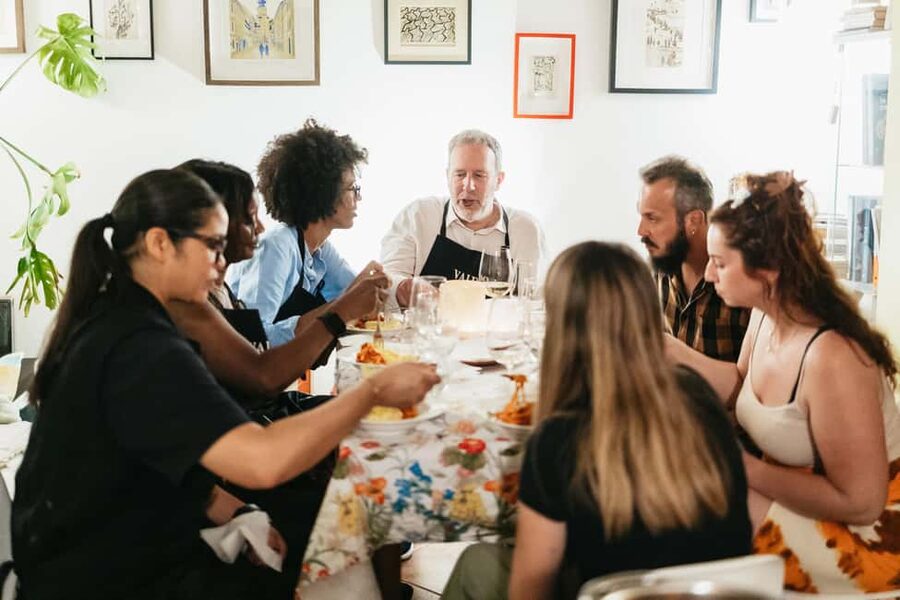
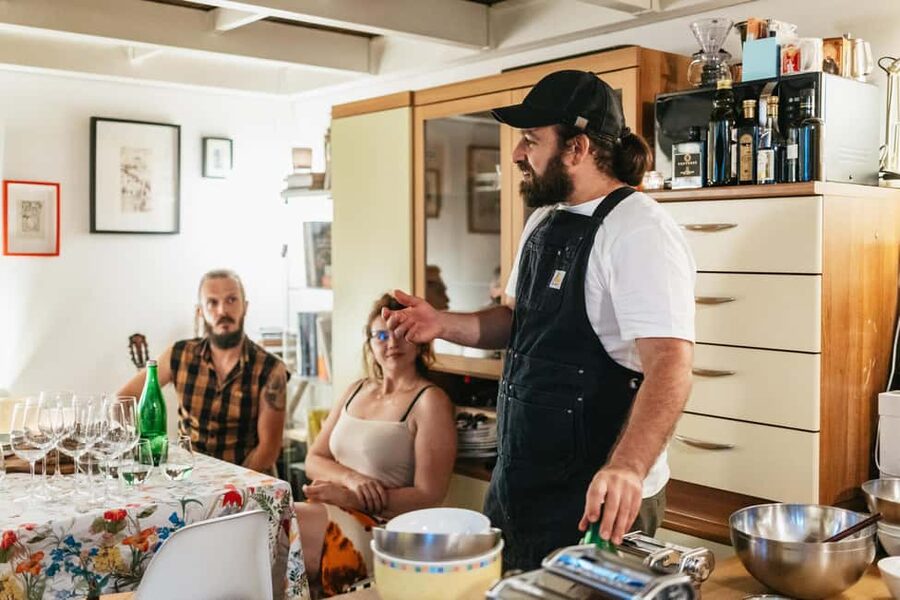
Milan can feel like a parade of big-name sights. This class is the opposite: you cook in a professional chef’s loft, in a private home. It’s intimate by design, and you’ll notice it right away in how the pace feels—less demo, more hands-on.
You meet in front of Brambilla Univeral Shoes Store, then head to the chef’s loft. The format matters: you’re not sharing space with dozens of strangers, and you get real time with the instructor, Rafael, while you knead dough and build sauces.
One practical note: because it’s in a home kitchen, you won’t have the size or workflow of a commercial cooking school. That’s not a downside if you like warmth and conversation, but it is a consideration if you prefer lots of room to spread out tools and ingredients.
You can also read our reviews of more tours and experiences in Milan.


Ingredient Tastings That Teach Your Palate
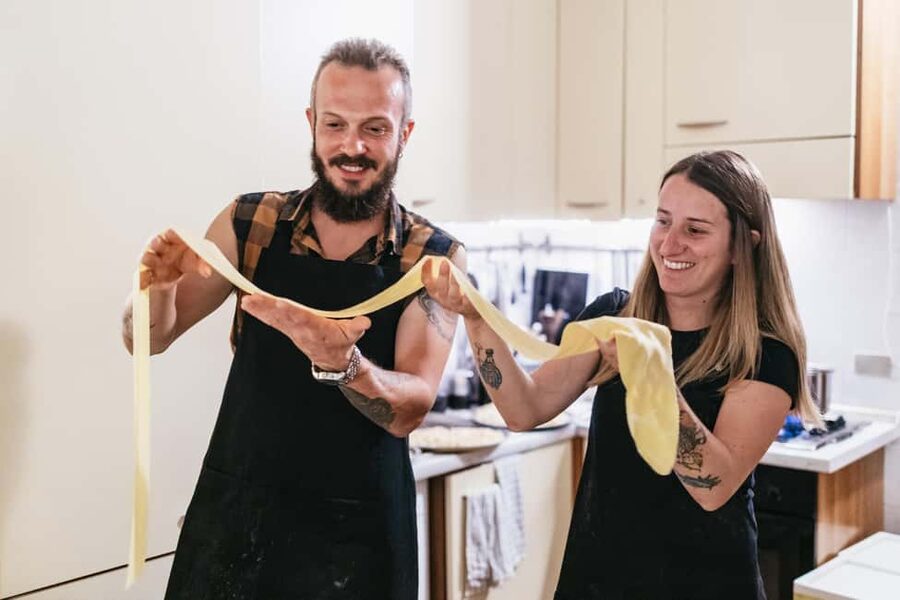
Before you start rolling dough, you’ll taste Italian products—specifically olive oil and balsamic vinegar—along with artisan bread. This is more than a snack stop. It’s a fast lesson in why Italian cooking works: quality ingredients don’t just taste better, they also guide how you season and balance flavors.
In classes that skip this step, you often cook by rules you can’t feel. Here, the tastings help you understand what you’re aiming for: olive oil should taste clean and fragrant, and balsamic should have depth rather than harsh sweetness. Rafael also explains how to choose quality products, and some guests mention he discusses what to look for on labels.
If you’re the type who wants to shop smarter after your trip, this is one of the best parts. You’ll start thinking differently about oils, vinegars, and even bread—like you’re learning the ingredients’ language.
Fresh Pasta Workshop: Knead, Shape, and Use the Pasta Machine
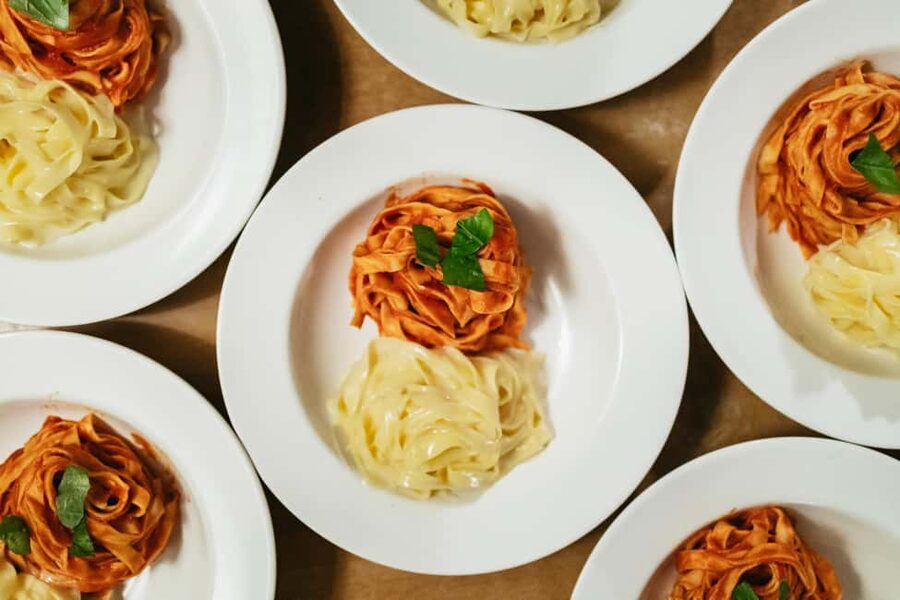
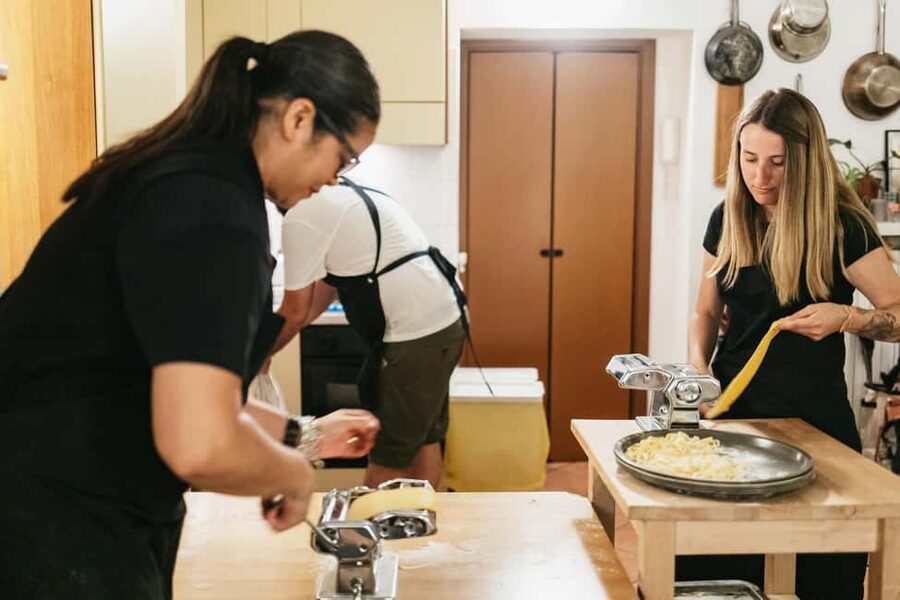
The center of the class is fresh pasta made from scratch using eggs and flour, plus a pasta machine. You don’t just watch. You work the dough, learn how it should feel, and practice shaping it so it cooks right.
This is where the small group size becomes a real advantage. With up to 8 participants, you can ask questions while you’re actually doing the step that confused you. Several guests highlight that Rafael explains clearly and keeps the pace efficient—fresh pasta doesn’t have to mean an all-day project.
What you’re really learning here is process:
- how the dough comes together,
- how to work it without overcomplicating things,
- and how the pasta machine changes the final texture.
Once you’ve felt it in your hands, you’ll understand why “fresh” matters. Dry pasta is consistent; homemade pasta has character. And that character shows up fast when you taste it later with the sauces you cooked.
Two Pasta Dishes, Two Sauce Lessons: Tomato and Parmesan
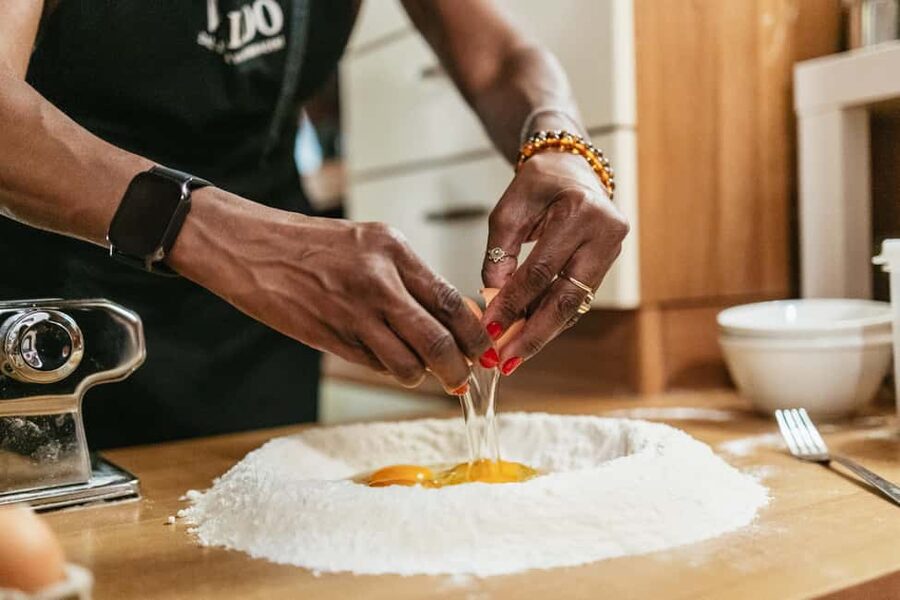
You’ll make two classic sauces to pair with your pasta: a rich tomato sauce and a savory Parmesan-based sauce. These aren’t random picks. They’re two of the easiest ways to understand Italian cooking logic: one sauce is about depth and balance from tomatoes, the other is about richness and comfort from cheese.
The tomato sauce gives you a lesson in warmth and acidity—how to make it taste rounded, not sharp. The Parmesan sauce teaches thickness and savoriness, the kind of flavor that clings to pasta instead of sliding off.
This “two sauces” structure is great for your kitchen confidence. If you learn one sauce only, it’s hard to know what technique transfers to other recipes. With both, you start building a mental toolkit: what to adjust, how to taste along the way, and how sauce texture affects the bite.
Tiramisu Method: The Steps Behind Italy’s Favorite Dessert
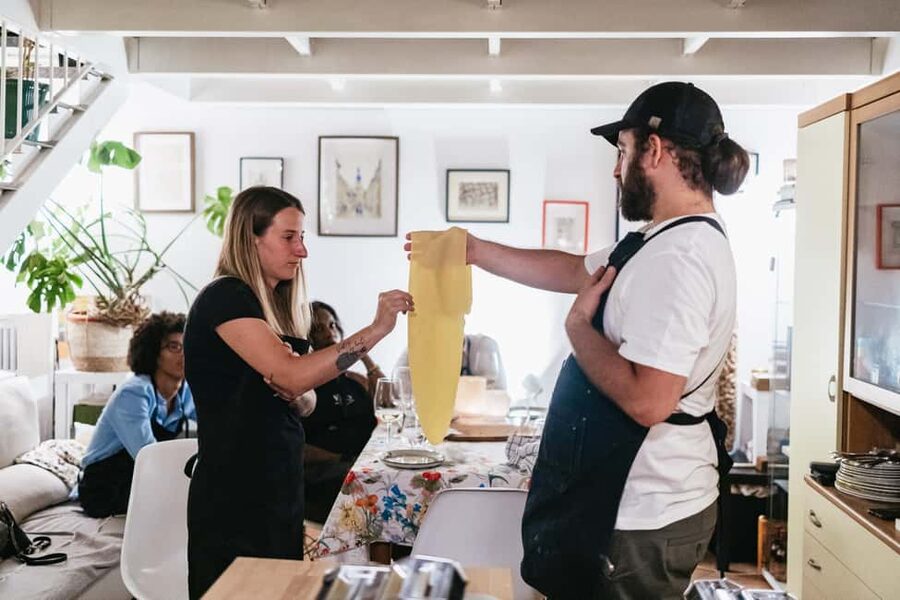
Tiramisu can look intimidating because it’s assembled. In this class, it’s taught as technique. You’ll learn the history and methods behind this iconic dessert, then prepare it to a finished standard you can actually replicate.
Guests consistently mention Rafael makes the tiramisu steps clear, and that matters because tiramisu fails in predictable places: the balance of sweetness, the texture of the components, and how everything comes together.
The way this class is structured helps. You’ll have a chef guiding you through the dessert method while you’re already in cooking mode from the pasta. By the time you reach tiramisu, the workflow feels natural: taste, adjust, and follow each step without panic.
And yes—you get to eat it at the end, which is the real test. One guest notes the sweetness balance in their tiramisu was on point, and that’s exactly what you should be aiming for.

Family-Style Meal with Wine: Eating Like You Cooked
At the end, you sit down family-style and savor what you made: pasta dishes plus tiramisu. You’ll also get a bottle of Italian wine (white or red) and water.
This part matters more than it sounds. Cooking classes can end with a quick tasting and a fast exit. Here, you linger, eat together, and (based on guests’ comments) talk with Rafael about food and culture while you’re still in the mood.
That’s a big reason the experience feels special: you’re not just learning technique—you’re enjoying the result in a real shared meal. If you’re traveling solo, it can also feel less awkward than a stiff group dinner because everyone’s already working toward the same food.
Price and Value: What $80 Really Buys in 3 Hours
$80 per person is not a bargain price, but it’s also not inflated for what’s included. In this class, you’re paying for:
- the chef’s time and instruction,
- tastings of olive oil and balsamic with artisan bread,
- two pasta dishes (made with fresh pasta and paired sauces),
- tiramisu,
- a family-style meal,
- and a bottle of Italian wine.
The value is strongest if you care about food technique and ingredient quality. If you only want a photo opportunity and a quick bite, you may not get your money’s worth. But if you want a skill you can repeat at home—fresh pasta, two sauces, and tiramisu—this price starts to make sense quickly.
Also, the small group size (max 8) acts like a multiplier. In a crowded class, you can end up watching more than cooking. Here, you’re far more likely to be actively shaping dough and making choices while the chef is there.
Who Should Book This Class—and Who Might Skip It
You’ll likely love it if you:
- want a hands-on cooking class with English instruction,
- enjoy ingredient education (olive oil and balsamic tastings),
- like cozy, personal settings over large touristy operations,
- and want to leave with a practical ability to cook pasta and tiramisu.
You might think twice if you:
- dislike small spaces or home-kitchen setups,
- prefer big-group social energy over a calm, intimate experience,
- or aren’t interested in cooking at all (tasting and eating alone won’t be enough).
One more sweet spot: Rafael’s teaching style seems built around conversation. Guests describe him as warm and engaging, sharing food stories and personal context while still keeping instruction clear. If you like learning with a human connection, this hits.
Should You Book This Milan Cooking Class?
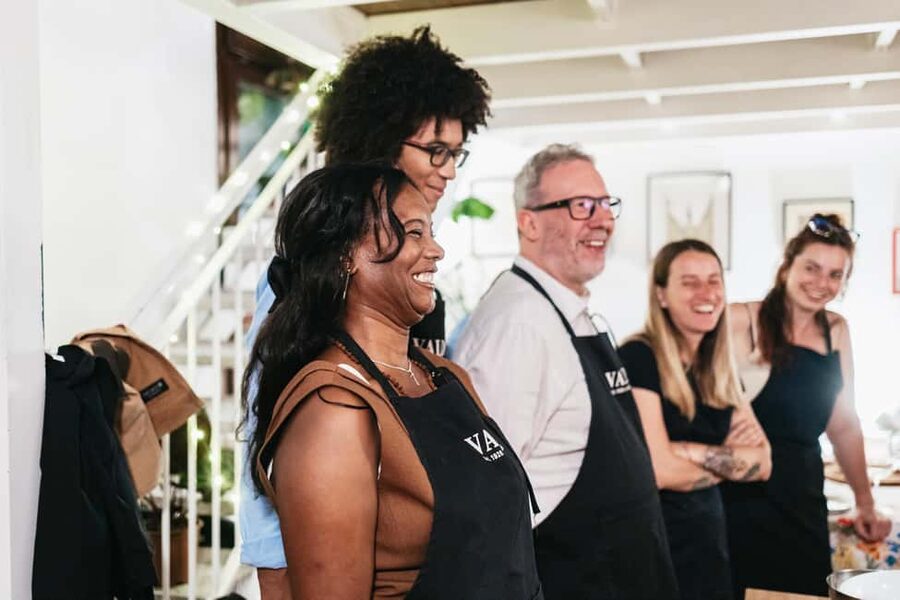
If you’re choosing between another food tasting tour and a real cooking skill session, I’d lean toward booking this. It’s structured so you learn the core Italian classics—fresh pasta, tomato and Parmesan sauces, and tiramisu—then eat them with wine in a home-style setting.
It’s also a smart use of time. Three hours is long enough to learn real technique, but short enough to still enjoy Milan afterward. And because the group stays small, you’re not lost in a crowd.
My advice: book it if you want authenticity you can taste and skills you can repeat. If that sounds like your kind of travel, this class is a confident yes.
FAQ
How long is the cooking class?
The experience lasts 3 hours.
What is the price per person?
It costs $80 per person.
How many people are in the group?
The class is a small group limited to 8 participants.
Is the class taught in English?
Yes. The instructor teaches in English.
What dishes will I learn to make?
You’ll make fresh pasta and two pasta dishes using two sauces: a rich tomato sauce and a Parmesan-based sauce. You’ll also learn to prepare tiramisu.
Does the class include tastings before cooking?
Yes. You’ll taste Italian products including olive oil and balsamic vinegar with artisan bread.
Is wine included with the meal?
Yes. You’ll receive a bottle of Italian wine (white or red) along with water.
Where is the class located?
It takes place in the chef’s loft inside a private home, not in a restaurant or a public school setting.
Where do I meet the chef?
The meeting point is in front of the Brambilla Univeral Shoes Store.
Can I cancel for a refund?
Free cancellation is available up to 24 hours in advance for a full refund.