REVIEW · LA PALMA
La Palma: Premium Stargazing Tour for 10
Book on GetYourGuide →Operated by RHBUGGY C.B · Bookable on GetYourGuide
La Palma’s night sky feels within reach. This guided stargazing tour takes you to Roque de Los Muchachos for a clear-sky setup with telescopes and a guide who makes the universe feel understandable, not intimidating.
I like the way the tour targets the best viewing zone—above the cloud layer—because that’s what actually improves what you can see. I also like that you’re not just handed a telescope; you get a quick, practical intro and then a guided route through constellations, nebulas, planets, and the Moon.
One consideration: in winter and at altitude, the cold can be real, and your comfort will depend on how well you dress.
In This Review
- Quick hits before you look up
- Roque de Los Muchachos: why this summit matters for stargazing
- Meeting at the Visitor Center and getting your telescope ready
- The 1.5-hour stargazing flow: what the tour does with your time
- What you’ll likely see: nebulas, planets, stars, and the Moon
- The telescope time: how to get more out of limited viewing
- Cold weather reality at 1,300 meters
- Food, comfort, and the simple packing list that actually works
- Language and vibe: astronomy in English or Spanish
- Price and value: is $88 reasonable for telescope time?
- Who should book this stargazing tour on La Palma
- Should you book this La Palma stargazing tour?
- FAQ
- Where is the meeting point for the tour?
- How long is the stargazing tour?
- How much does it cost?
- Do I get a telescope during the tour?
- Is hotel pickup included?
- Is the tour group small?
- What languages are the guides?
- What should I bring to stay comfortable?
- How should I handle transportation to the summit?
- Is there a cancellation option with a refund?
- Can I reserve without paying right away?
Quick hits before you look up
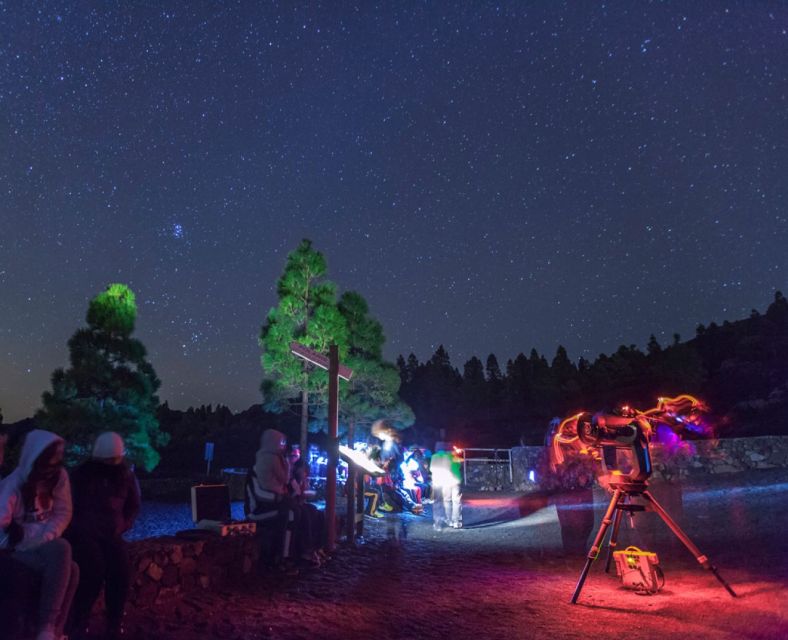
- Above-the-cloud vantage: the spot is chosen at about 1,300 meters to reduce cloud cover and atmospheric trouble.
- Telescopes included: you’ll be given equipment and taught the basics before you start looking.
- A guided sky storyline: you’ll move from star groups to planets and other night-only targets with simple explanations.
- Small group format: the plan is max 10, but you may have a bit of extra waiting if the group runs slightly over.
- Fixed meeting at Museo Roque de los Muchachos: start right by the Visitor Center parking area for easy navigation.
Roque de Los Muchachos: why this summit matters for stargazing
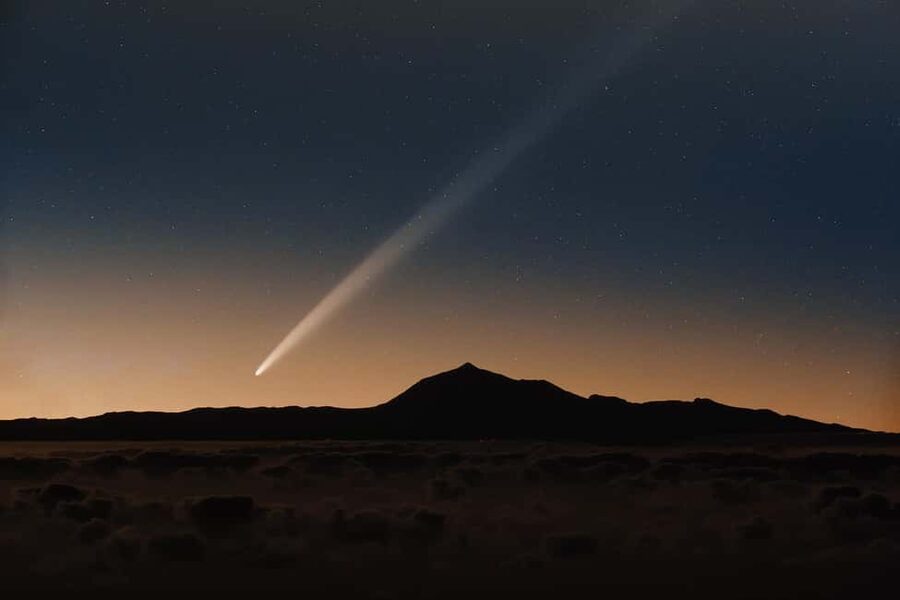
The big reason La Palma is famous for astronomy isn’t just romance. It’s physics. This tour operates from the summit zone around Roque de Los Muchachos, at about 1,300 meters, where you’re positioned to be above the sea of clouds that can sit over lower areas.
Cleaner air helps too. At higher altitude, you generally get less haze and less atmospheric interference, which can mean steadier views through the telescope. If you’ve ever watched stars through a window of heat, you already know what the tour is trying to avoid.
The key practical takeaway for you: don’t treat this as a casual stroll. You’re going up into a high, exposed weather world where conditions matter, and the operator is explicitly choosing this zone to improve visibility.
Meeting at the Visitor Center and getting your telescope ready
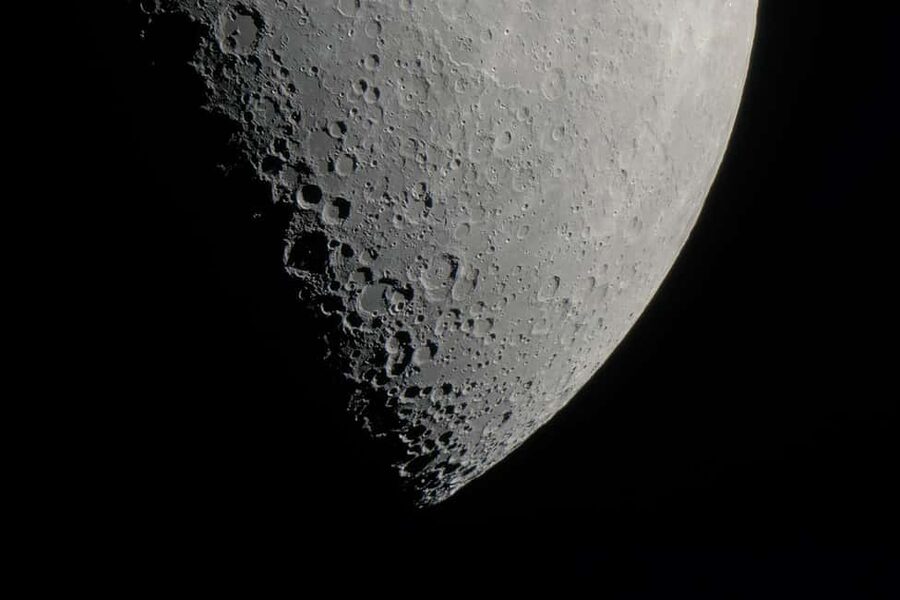
Your meeting point is fixed: Museo Roque de los Muchachos (Visitor Center), right by the parking area. There’s no hotel pickup, so you’ll need your own transport to get up to the summit on your schedule.
Once you arrive, the flow is straightforward. You’ll head to the stargazing spot in that high summit area, get a telescope in hand, and receive a short intro on how to use it. Then you practice briefly—enough to get your bearings fast—before the guided looking begins.
One small logistics heads-up: at the meeting area, it’s possible to see more than one group gather at first. To avoid confusion, arrive a few minutes early and watch for your guide group to assemble with the correct timing. If your guide introduces themselves by name, take note—past sessions have had guides such as Angelo and Antonio leading the show.
The 1.5-hour stargazing flow: what the tour does with your time
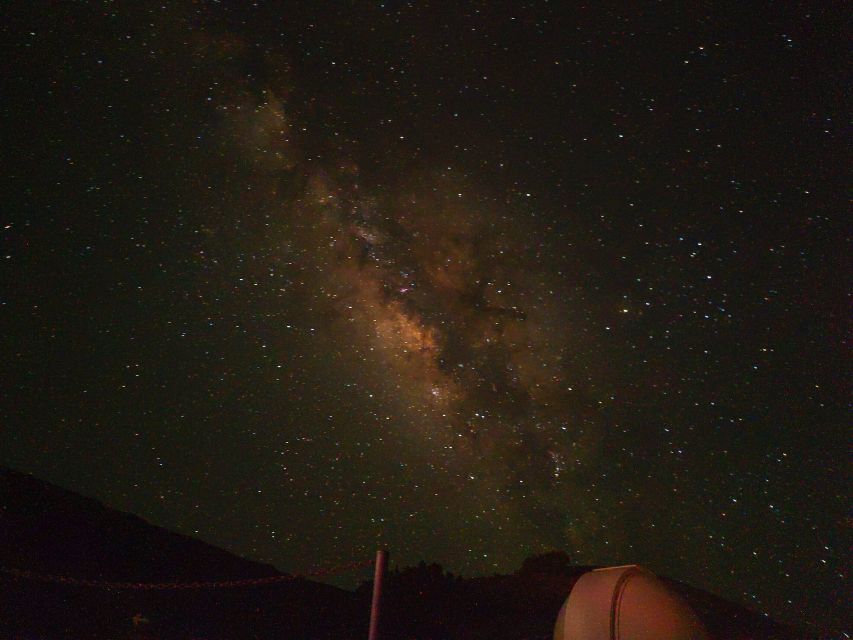
This is a tight, focused 1.5-hour experience. That short duration is a feature, not a flaw, because it keeps you at the cold summit for less time while still getting telescope time and a real explanation.
Here’s how the tour experience typically unfolds:
- Telescope basics first: you learn the basics and set up your equipment.
- Practice moment: you try the telescope before the real targets begin.
- Guided sky journey: the guide leads you through what you’re seeing—star groups, storytelling, planets, and more.
- Observing through the scope: you rotate through the highlights the guide wants you to catch.
What I like about this structure is that it avoids the classic problem of stargazing tours where you end up waiting for equipment or looking at random brightness with no map. Here, the guide builds understanding step by step.
What you’ll likely see: nebulas, planets, stars, and the Moon
The tour promises a guided route through the objects that are best seen at night: nebulas, star groups (constellations), planets, and the Moon. You won’t just hear astronomy facts; you’ll have a chance to connect those facts to what’s actually in the eyepiece.
You’ll also get the human side of astronomy. Expect discussion about how people have interpreted and used stars over tens of thousands of years—stories that explain why certain patterns earned names and meaning in different cultures. That historical framing matters because it changes the feeling from data collection to discovery.
A practical note on expectations: telescope views depend on sky conditions and focus, but the tour is designed for the best possible environment by operating above cloud and pollution interference. If you show up bundled and ready to wait for your turn, you’ll get far more out of the experience than if you’re under-dressed or rushing.
The telescope time: how to get more out of limited viewing
With a small group, you can actually learn the sky instead of just passively watching. The format is intended for up to 10 participants, and you’ll likely take turns looking through the telescope while the guide keeps you oriented.
In an ideal world, turns are quick. In the real world, if the group runs a little above the intended number, telescope rotation can slow down. That doesn’t ruin the tour, but it does mean patience helps. Bring it.
My advice: when it’s not your turn, don’t zone out. Watch what the guide does. Notice how they find an object, then how they adjust for clarity. That’s the fastest way to make the next view click.
Cold weather reality at 1,300 meters
This is where people either have a great time or a miserable one. The tour is at altitude, and it gets colder quickly once the sun drops. Even if you think you’re prepared, you may still feel the bite after sunset.
Plan for serious warmth:
- Warm layers you can add or remove
- A jacket that blocks wind
- Something for your hands and neck (if you already own it, use it)
One smart strategy is to do your acclimatization and timing play: go up the same day so you can enjoy the sunset from Roque de Los Muchachos before the stargazing starts. Then you’re not arriving cold, rushed, and frozen.
Food, comfort, and the simple packing list that actually works
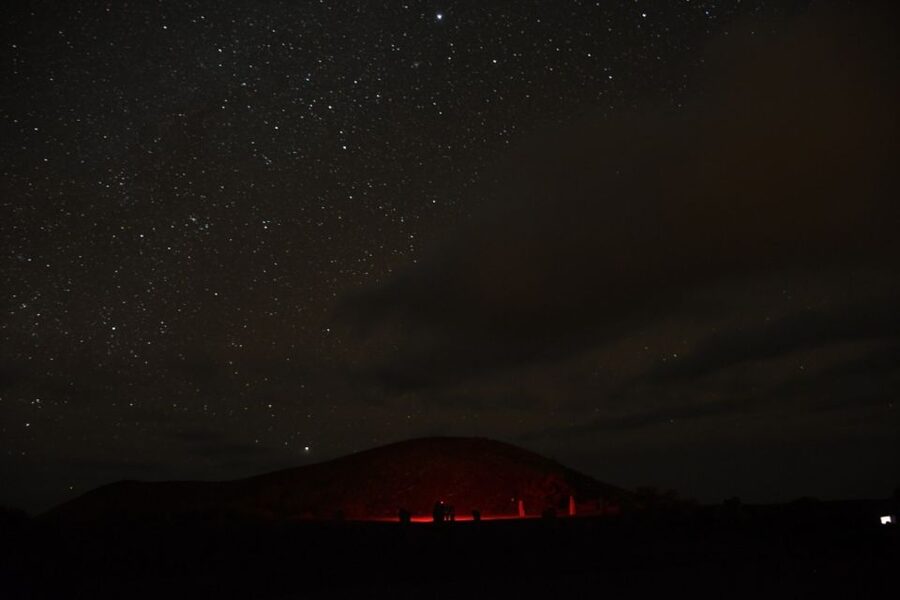
Because there’s no hotel pickup or drop-off, you’ll be responsible for a smooth day plan. The tour encourages you to bring food and drinks—something like a picnic—so you’re not shivering on an empty stomach.
Also, bring enough to stay comfortable while you wait between telescope views. The tour is only 1.5 hours long, but on a cold summit you’ll feel every minute.
If you want one rule that keeps things easy: dress like you’re going to be outside longer than planned. The sky part is the reward, but your body needs to be comfortable enough to enjoy it.
Language and vibe: astronomy in English or Spanish
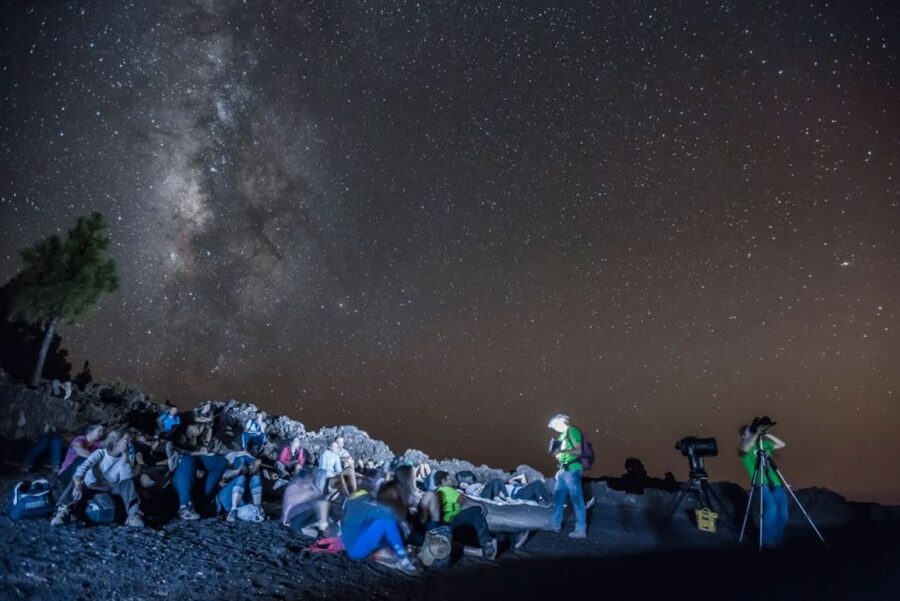
The guide offers English and Spanish. The promise here is important: the guide uses clear, accessible language instead of throwing technical terms at you. That’s what makes a stargazing tour worth it for beginners.
You’ll likely get explanations that link what’s in the sky to the way humans have understood and named the patterns. That combination—practical observing plus story-driven context—is a strong match for first-timers.
Price and value: is $88 reasonable for telescope time?
At $88 per person, this isn’t a bargain tour. It’s a premium, telescope-included experience with a small group and guided instruction, and that’s where the value should come from.
So ask yourself what you’re really buying:
- Your telescope use is included, which is the biggest cost driver for astronomy experiences.
- You’re paying for a guide to help you find and understand what you’re seeing.
- The location choice (above clouds, cleaner air) is part of the product.
Where the price can feel steep is on colder nights—especially in winter—because you may spend more effort staying warm than enjoying leisurely looking. If you’re paying premium dollars, you’ll want to arrive prepared and treat it like a short expedition, not a quick evening activity.
One more value check for you: the meeting is at the Visitor Center area. If you’re planning to browse that on your own, it’s worth confirming whether any optional entry is separate, so you’re not surprised.
Who should book this stargazing tour on La Palma
This tour is a strong fit if:
- You want a guided telescope experience rather than DIY.
- You’re a beginner who wants star stories and basic astronomy explained plainly.
- You have your own transport and can reach Roque de Los Muchachos on time.
It may be less ideal if:
- You hate cold evenings and don’t want to dress for it.
- You’re expecting a long, relaxed sit-down nature walk. This is mostly telescope time plus guiding, designed to be efficient.
- You want unlimited telescope viewing. Group rotation means your time at the eyepiece will be shared.
Should you book this La Palma stargazing tour?
I’d book it if your goal is simple: get into the sky in a structured way, with telescopes and explanations, in one compact 1.5-hour session. The altitude plan and the guide-led setup are the big reasons this works.
Pass for now if you’re traveling with very limited clothing options or you’re visiting in a season where the cold would ruin your mood. In that case, you might still enjoy a stargazing moment, but you’d want to manage your expectations about comfort and viewing time.
If you do book, your best move is practical: dress for winter on a windy summit, arrive with enough layers to stay outside comfortably, and be ready to wait your turn with calm confidence.
FAQ
Where is the meeting point for the tour?
The meeting point is always at Roque de los Muchachos, next to the Visitor Center Parking Lot at Museo Roque de los Muchachos.
How long is the stargazing tour?
The tour lasts 1.5 hours.
How much does it cost?
The price is $88 per person.
Do I get a telescope during the tour?
Yes. Telescope use is included as part of the guided tour.
Is hotel pickup included?
No. Hotel pickup and drop-off are not included.
Is the tour group small?
Yes. It’s a small group, limited to 10 participants.
What languages are the guides?
The tour is usually conducted in English and Spanish.
What should I bring to stay comfortable?
Bring warm clothing and a jacket. It also helps to bring food and drinks since the tour encourages bringing something like a picnic.
How should I handle transportation to the summit?
You need to use a personal vehicle. Transport is not provided.
Is there a cancellation option with a refund?
Yes. There is free cancellation up to 24 hours in advance for a full refund.
Can I reserve without paying right away?
Yes. There’s a reserve now & pay later option, so you can book your spot and pay later.