REVIEW · CUSCO
Inca Jungle Premium to Machu Picchu 4-Day and 3-Nights
Book on Viator →Operated by Conde Travel · Bookable on Viator
Four days and one big, active build-up to Machu Picchu. This Inca Jungle Premium route turns the journey itself into the main event, stacking biking, high-forest walking, and hot springs before you ever reach the famous stone citadel. You’ll travel with a private bilingual guide in a group capped at 15, so the pace feels personal and questions actually get answered.
I especially like that the trip handles the logistics end to end, including equipment, transport, and meals across the days, plus entrance to Machu Picchu. You also get structured downtime at Cocalmayo hot springs, which matters when you’re mixing altitude and daily activity. The one drawback to plan for: this is physically demanding with early mornings and multiple treks, so if moderate fitness is a stretch, you’ll feel it.
In This Review
- Key highlights you should care about
- The Inca Jungle Premium formula: adventure first, Machu Picchu second
- Day 1: Conde Travel pickup, Málaga Pass biking, and Bella Victoria dinner
- Day 2: High-forest Inca route walk and the Cocalmayo Hot Springs reset
- Day 3: Hydroelectric to Aguas Calientes, Machu Picchu Hot Springs focus, and zip line option
- Day 4: Early Machu Picchu sunrise timing, guided sanctuary time, then train back to Cusco
- Price and value: what $550 covers (and what to budget separately)
- Fitness level, altitude reality, and how to pack smart
- Group size and guide style: why small matters on this route
- Who this tour suits best
- Should you book Inca Jungle Premium to Machu Picchu?
- FAQ
- What time does the tour start?
- What is included for Machu Picchu?
- Where do I stay during the trip?
- Are the rafting and zip line activities required?
- What meals are included?
- Do I need a passport?
Key highlights you should care about
- Up to 15 people for more attention and quicker group coordination
- Málaga Pass biking after a high-altitude climb, with big altitude swings (4350 to 1890 masl)
- Cocalmayo Hot Springs as a real recovery moment after a forest hike
- Guided Machu Picchu visit for about two hours, then time to explore on your own
- Meals and gear covered, so you can focus on moving rather than managing details
The Inca Jungle Premium formula: adventure first, Machu Picchu second
This tour is designed for people who don’t want a passive ride to Machu Picchu. You start in Cusco and work your way toward Aguas Calientes and the sanctuary through a string of active stops. It’s part outdoors camp, part cultural route, part classic Machu Picchu day. The “premium” part is mostly about how many experiences you get while the core logistics are still controlled for you.
The group size cap of 15 is a real practical advantage. On a trip like this, where timings matter and trails can get narrow, smaller groups mean fewer bottlenecks. It also makes it easier to connect fast and stay on pace without feeling like you’re stuck waiting on a long line.
Your guide is bilingual and specialized in the Inca jungle route. Names don’t matter until you’re actually trying to understand what you’re seeing, and in this case you might meet Stif, who’s described as consistently happy to help and ready with explanations about Peru and local culture. That kind of guidance turns “we hiked today” into “I get what I’m looking at.”
You can also read our reviews of more tours and experiences in Cusco.
Day 1: Conde Travel pickup, Málaga Pass biking, and Bella Victoria dinner
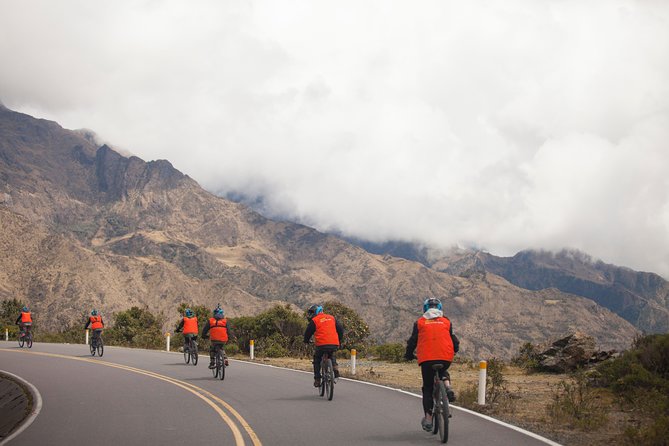
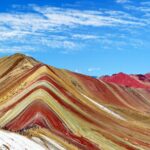
Day 1 starts early. Your meeting time is 5:30am, with pickup from your Cusco accommodation. After heading toward Ollantaytambo, you’ll eat breakfast there, then board transport up to the highest point of the day: Málaga Pass at 4350 masl, near the Verónica snowy.
That altitude detail matters. Even if you’re not an athlete, a sudden change up high forces slower breathing and smarter effort. The payoff is that the descent comes right after, and it’s not a gentle walk. You bike down from the pass to Huaman Marca – Santa Maria at around 1890 masl. That’s the core thrill of the route: you get a big “from high to down” experience without needing technical mountain-bike training.
Once you finish biking, you get lunch and then a fun option appears: rafting on the Urubamba River. It’s described as not too dangerous, not too boring, which tells you the operators are aiming for excitement while keeping it within a manageable range for most people. If you’re the type who freezes at the word rafting, you can treat this as optional rather than mandatory energy expenditure.
Then comes a more local-feeling finish: a short walk to Bella Victoria, where you’ll have dinner with a native family. You’ll also get coffee and achiote as part of the experience. This is the kind of stop that’s easy to skip on paper but memorable in real life, because it’s not about checking a box. It’s about how people actually live and what food and flavors mean day to day.
Practical note: your first day includes a lot of movement, even if you like adventure. Plan to go slow with food and water early, and keep your jacket handy because high-altitude mornings can feel sharp.
Day 2: High-forest Inca route walk and the Cocalmayo Hot Springs reset
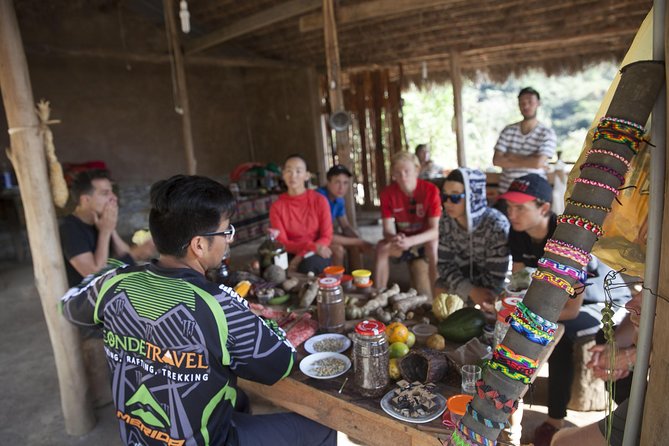
If Day 1 is about altitude and adrenaline, Day 2 is about legs and oxygen. After breakfast, you start the Inca route walk for about 4 hours through high forest. This isn’t described as a sterile trail through trees. It’s framed as a biodiversity zone, with good odds of seeing orchids, birds, and other wildlife.
You’ll continue along the Inca Trail after lunch, and the lunch itself is part of the cultural angle. It’s prepared by a local community and includes native fruits and tubers of the area. That means you’re eating what’s grown locally rather than the standard tourist plate. Even if you’re picky, this kind of meal tends to be simple and filling, built for people who work outdoors.
Then you reach the trophy moment: Cocalmayo Hot Springs. Hot springs aren’t just “relax time” on a schedule like this. After two days of hiking or biking in changing elevations, warm water helps you feel human again. The hot springs portion gives your muscles a reset so you can still enjoy Day 3 instead of surviving it.
Day 2 also tells you something about the tour’s overall pacing. It’s not a one-day sprint. It alternates effort and recovery in a way that feels designed, not accidental.
Day 3: Hydroelectric to Aguas Calientes, Machu Picchu Hot Springs focus, and zip line option
Day 3 is the approach day, and it’s a smart one. You’ll start after breakfast with a trek from Hydroelectric to Aguas Calientes. The route is described as flat and takes about 3 hours. You’ll pass waterfalls and see wildlife near the Urubamba River, then stop for lunch at a restaurant.
This is a good day to manage expectations. It’s still walking, but the physical strain is more controlled than the earlier climb-and-descent day. If you like views and don’t mind being on your feet, this is one of the more comfortable days.
After arriving in Aguas Calientes, you’ll have dinner and a briefing for your next excursion to the citadel of Machu Picchu. Then you get the night free to explore the town at your own pace. This matters because Aguas Calientes is where you’ll be mentally and logistically prepared for the sunrise-style Machu Picchu morning.
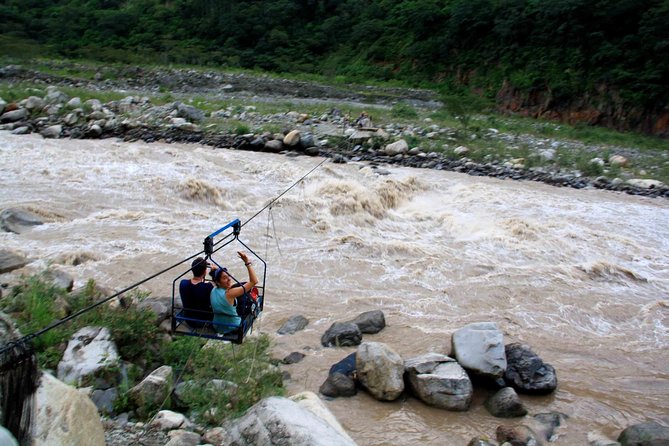
There’s also an optional extra activity described for Santa Teresa: a zip line service with six cables about 800 meters long each and a maximum speed of 80 km/h. You also cross a suspension bridge and finish with a light rock climb. If you’re afraid of heights, this is the kind of moment where you should choose wisely. If you love speed and movement, it’s a high-energy add-on that fits the tour’s overall spirit.
One more practical detail: the itinerary mentions lunch at Hydroelectric after the zip line segment, then continuing the trek back to Aguas Calientes. So if you choose it, you’re committing to a longer day with more transitions.
Day 4: Early Machu Picchu sunrise timing, guided sanctuary time, then train back to Cusco
Day 4 begins early because you’re going to Machu Picchu with an ascending route through high forest, with an opportunity to see sunrise. Even if sunrise itself is cloudy, the timing usually gives you cooler temperatures and fewer crowds in the moment you enter the area.
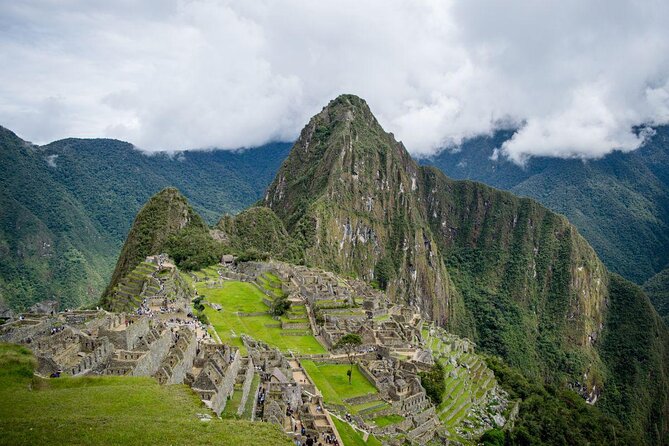
Your guide shows you the Machu Picchu sanctuary for about two hours, then you’re free to enjoy Machu Picchu on your own. That blend is ideal. The guide time helps you understand what you’re seeing and what to focus on. The self-guided time lets you slow down, wander, and decide what you care about without feeling rushed.
Once you finish, you take the train and bus back to Cusco. The tour includes the round trip bus to Machu Picchu, plus the train back to Ollantaytambo and transfer to Cusco. That’s a big value point because Machu Picchu logistics are the part that most independent travelers stress about. Here, you don’t have to stitch it together.
Entrance to Machu Picchu is included, which is exactly what you want for planning. You’re not trying to coordinate tickets and day-of entry on your own.
Price and value: what $550 covers (and what to budget separately)
At $550 per person, this is priced like a full packaged adventure rather than a basic transport-only transfer. The included list is broad: private guide, equipment, transportation from Cusco to Cusco, accommodations (1 night in an ecolodge and 2 nights in hotels), a first aid box, and entrance to Machu Picchu. It also includes multiple meals: 3 breakfasts, 3 lunches, and 3 dinners.
The activities included are biking and rafting, plus Cocalmayo Hot Springs. That’s a lot of paid components rolled into one price.
What’s not included is also clear. Snacks and water are not included, and you can purchase them along the way. The notes also say the first day breakfast is not included, and lunch and dinner on the last day are not included. So if you’re counting meals strictly, treat your covered meals as the baseline and expect a little flexibility on the edges.
Also budget for gratuities. The tour notes that gratuities for the guide are not included, and that’s normal on this kind of experience.
Finally, this trip is non-refundable and cannot be changed for any reason. That matters. If your travel dates are uncertain, you’ll want to think hard before committing.
Fitness level, altitude reality, and how to pack smart
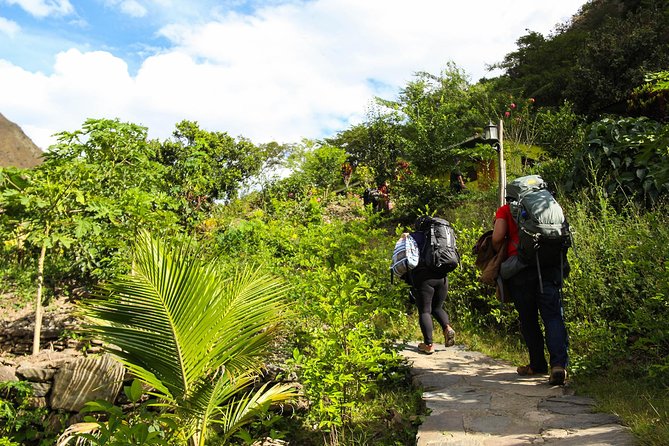
The tour is labeled for people with moderate physical fitness. That’s a useful phrase because you’re not just walking on flat sidewalks. You’re doing:
- a high-altitude climb to Málaga Pass,
- biking down as a major effort segment,
- long-ish forest walking (about 4 hours on Day 2),
- a 3-hour trek on Day 3,
- and early uphill timing on Day 4.
You don’t need to be a mountain runner. But you do need to be comfortable moving daily and not treating each day as optional.
Packing guidance is detailed, which is a gift. Bring:
- strong walking shoes or tennis shoes,
- a sweater and a thick jacket,
- hat or cap,
- long and short pants,
- a good rain coat,
- insect repellent and sunscreen (UV factor at least 40),
- long sleeve shirts,
- a lightweight backpack,
- toilet paper, a lantern, sunglasses,
- plastic bags, camera and charger,
- some cash in change.
Also, you’re advised to bring only one bottle of water. The tour also says snacks and water can be purchased along the way, so you’ll want to refill as you go rather than carrying a huge load the whole time.
One more item: you’ll need a valid passport for travel day, and you provide passport details at booking. That’s part of the entry and train process.
Group size and guide style: why small matters on this route
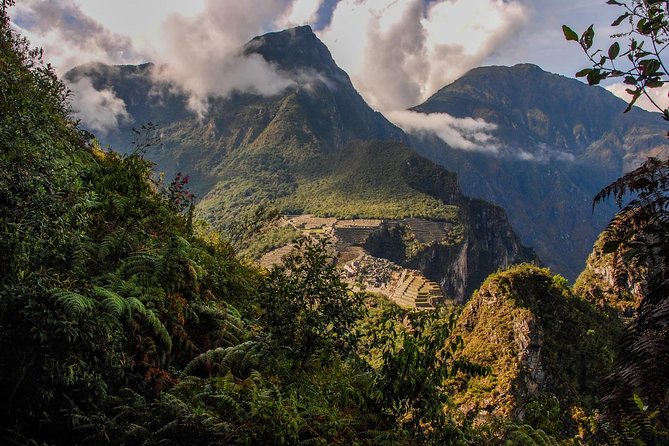
On a small-group tour, you get less confusion and faster pacing adjustments. With a max of 15 people, your guide can explain what to look for without repeating the same instructions for dozens of people. That’s especially helpful during activity switches, like going from biking to rafting options or moving into the Machu Picchu day.
You also get a more personal feel when someone like Stif is actively describing Peru and culture, not just reading logistics. The guide’s job isn’t just to lead you from point A to point B. It’s to help you understand why the route matters, including the Inca Trail walking segments and what biodiversity looks like in the high forest.
Who this tour suits best
This is a great fit if you want:
- a hands-on route with adventure activities, not only sightseeing,
- guided Machu Picchu time without planning headaches,
- a paced plan with hot springs recovery,
- and a small group experience that feels manageable.
You might want to look at a different style of tour if you:
- struggle with early wakeups and daily walking,
- hate heights (especially if you plan to skip the zip line option),
- or have uncertain travel dates due to the non-refundable rule.
Should you book Inca Jungle Premium to Machu Picchu?
Book this tour if you’re excited by the idea that Machu Picchu is the finish line, not the only event. The combination of Cocalmayo Hot Springs, biking from Málaga Pass, Inca Trail-style forest walking, and a guided Machu Picchu visit is exactly the kind of high-value package that keeps your days full while still organized.
Don’t book it if your biggest priority is resting. This route is active, with early mornings and multiple trekking segments. It’s built for people who like movement and who want the journey to earn its place as much as the destination.
If that sounds like you, this is a strong choice, especially given the small group size and the fact that so much is included in one price.
FAQ
What time does the tour start?
The start time is 5:30am, with pickup from your Cusco accommodation. The meeting point is near public transportation.
What is included for Machu Picchu?
The tour includes Machu Picchu entrance, plus round trip bus service to Machu Picchu. You also get a guided visit of about two hours, followed by free time.
Where do I stay during the trip?
You get 1 night in an ecolodge and 2 nights hotel accommodation, for a total of three nights.
Are the rafting and zip line activities required?
Rafting on the Urubamba River is listed as an optional activity. The zip line in Santa Teresa is presented as an available activity during Day 3, along with the suspension bridge and a light rock climb.
What meals are included?
The tour includes meals across the days: 3 breakfasts, 3 lunches, and 3 dinners. The notes specify that breakfast on the first day and lunch and dinner on the last day are not included.
Do I need a passport?
Yes. A current valid passport is required on the day of travel, and your passport name, number, expiry, and country are needed at the time of booking.