REVIEW · SEA WORLD GOLD COAST
Gold Coast: Premium Whale Watching Cruise
Book on GetYourGuide →Operated by Sea World Cruises, Whales in Paradise · Bookable on GetYourGuide
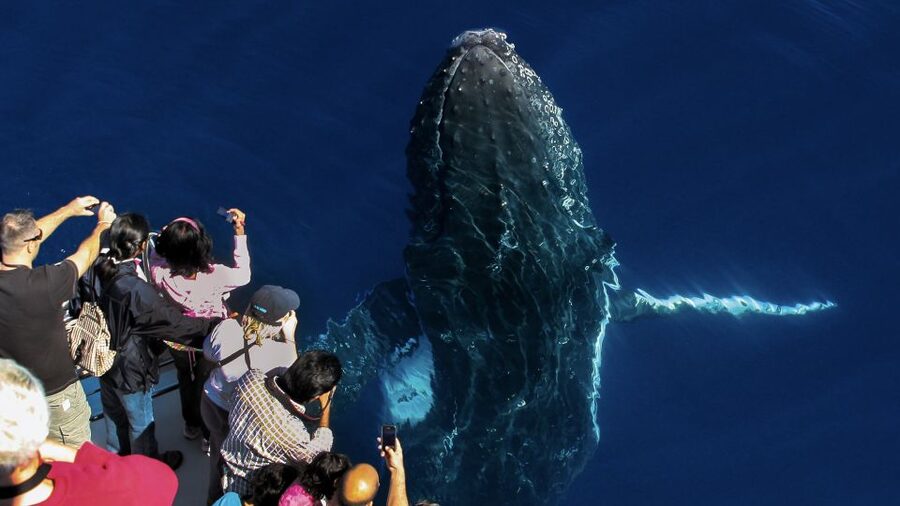
One of the best ways to see humpbacks is from close range. This Premium Whale Watching Cruise runs from Sea World Cruise Terminal on the Gold Coast, heading for the Humpback Highway where humpback whales migrate past in huge numbers, with commentary from marine guides and captain-led searching. I especially love the 100% whale sighting guarantee and the focus on real behavior—breaches, tail slaps, and dives—rather than staged tricks; it feels built for people who actually want to learn. The main thing to consider is that wildlife is wild, so on a quieter day you might get fewer whales (though you still should see other marine life).
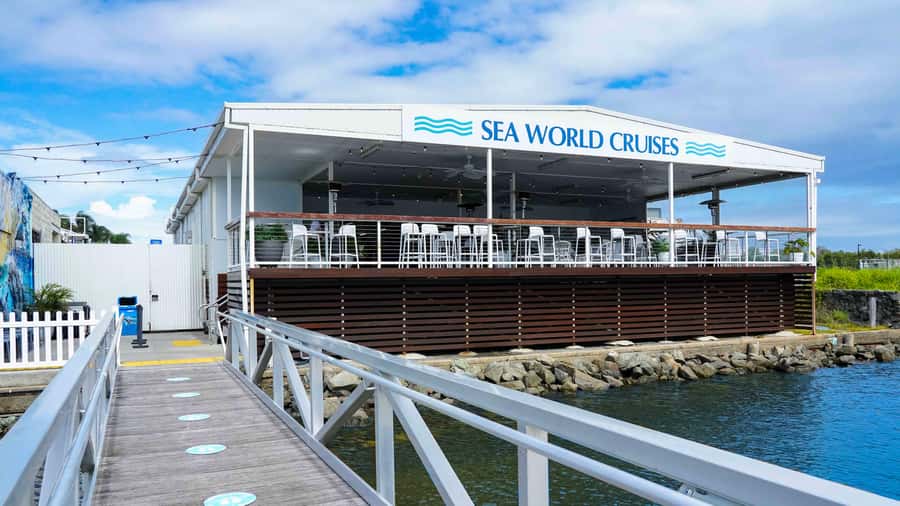
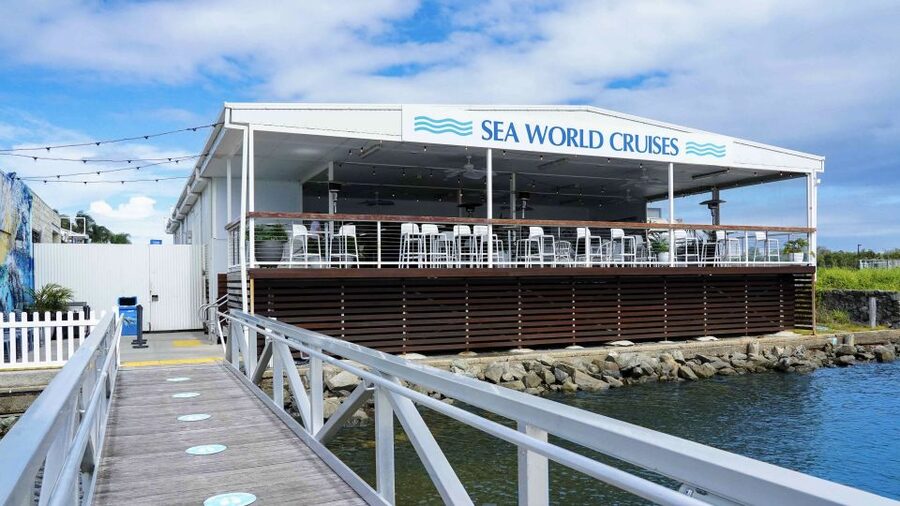
Before you even board, you’re not just buying a ticket to a boat. There’s a waterfront deck cafe, exhibits, and a gift shop at the terminal, so the day doesn’t start the moment you step onto the water. Also, if you’re the type who hates missing things, this operator’s approach includes real-time searching and clear announcements when animals are spotted. The drawback: you’ll be out on open water, and seasickness can hit—plan for it.
In This Review
- Key highlights you’ll feel fast
- Hitting the Humpback Highway from Main Beach
- What the 2.5-hour cruise looks like once you’re at sea
- Underwater microphones and live viewing that makes the wait worth it
- Wildlife beyond humpbacks: dolphins, turtles, and sea birds
- Captain and guide style: how the commentary improves your sightings
- Comfort tips that will save your cruise day
- Value check: $63 and what you’re really paying for
- Who should book this cruise, and who should skip it
- Should you book the Gold Coast Premium Whale Watching Cruise?
Key highlights you’ll feel fast
- Humpback Highway access: the closest operator to the migration route from Main Beach, so less time in transit
- 100% whale sighting guarantee: if no whales are spotted, you get a free return cruise
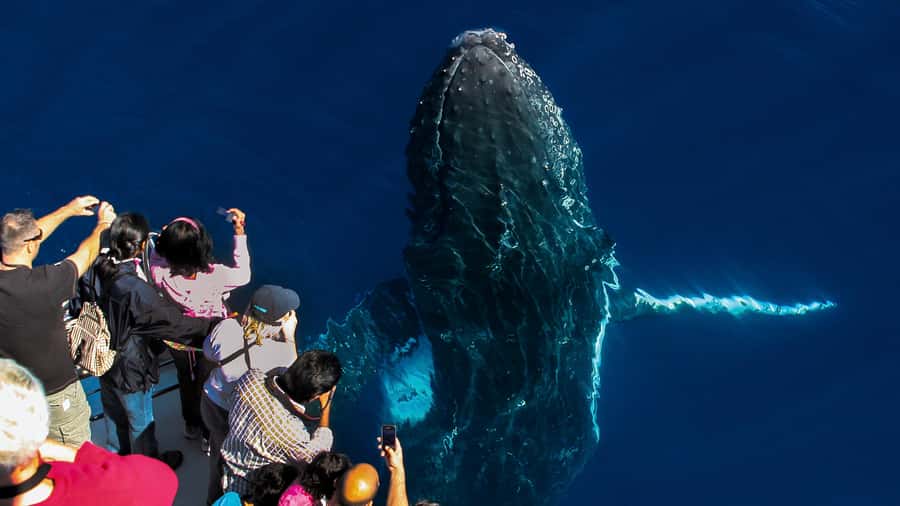
- Underwater microphones: you may even hear whale song through onboard audio
- Onboard live underwater video (phone feed listed as coming soon): built around showing what’s happening below
- Big variety of wildlife: humpbacks plus dolphins, turtles, sea birds, and more
- Optional captain’s lounge upgrade: priority boarding and a better viewing setup for extra comfort
Hitting the Humpback Highway from Main Beach
The big selling point here is distance to the action. Sea World Whale Watch is positioned to be the closest operator to the Humpback Highway from the Gold Coast, which means you lose less time to cruising just to get into whale territory. You depart from the Sea World Cruise Terminal in Main Beach, and you do not need entry to Sea World Marine Park to join this trip.
That matters for two reasons. First, your time on the water is limited—this cruise is about 2.25 hours to 2.5 hours—so shaving transit time is the difference between “nice boat ride” and “real whale time.” Second, calmer water and better viewing windows tend to happen earlier in trips like these, so being closer can boost your odds of seeing multiple behaviors in one outing.
From late May until early November, the schedule runs up to six times daily, which also gives you flexibility. You can pick a departure that fits your day, then focus on being ready for the conditions. Even if you’re only in Australia for a few days, this is one of those activities that feels doable without turning your trip into a logistics puzzle.
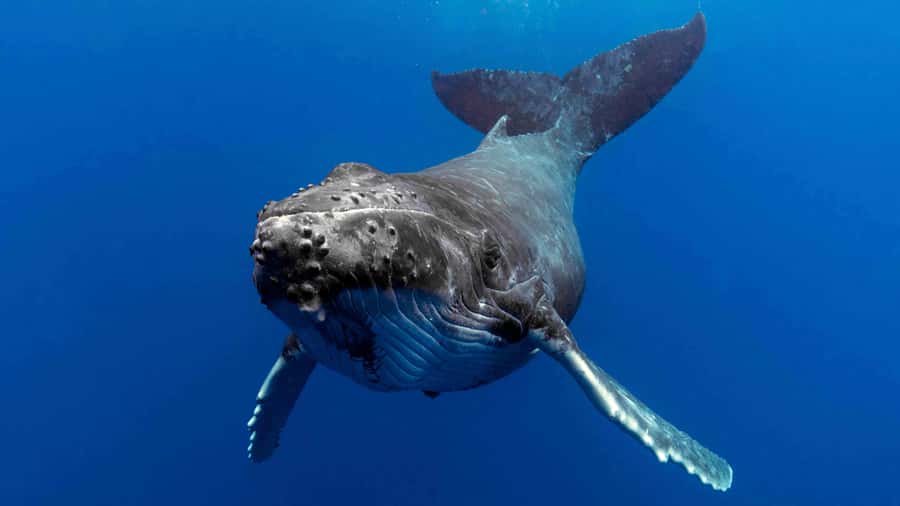
And about what you’ll actually see out there: humpbacks migrate between Antarctica and the Great Barrier Reef. The operator frames it as tens of thousands of whales moving along a known corridor close to the coast, which is why sightings are so common during season. You’re not going to a random “maybe we’ll find them” area—you’re heading to a route where whales pass close enough that your boat can track their surfacing patterns.
What the 2.5-hour cruise looks like once you’re at sea
This is a straightforward run, which is good. You start at Sea World Whale Watch, then the day becomes a mix of searching, spotting, and staying with the action.
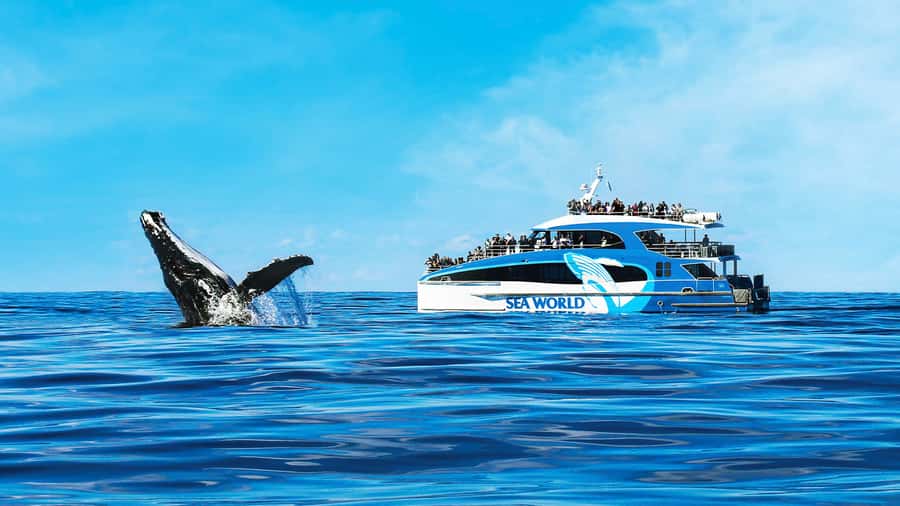
Once you’re underway, you’ll spend the bulk of your time doing exactly what the name promises: whale watching, with time for dolphin watching and general marine life viewing too. The crew looks out for whales launching into the air, tail slaps, and deep dives. Those moments aren’t just dramatic—they’re how humpbacks communicate, feed, and move through the water column. When you see repeated breaches or repeated blows, it often means the whales are actively coming up in a predictable rhythm, which is when viewing gets easiest.
You’ll also likely spot dolphins and other wildlife. The cruise is set up to find more than one target species, not just humpbacks. On several outings, passengers reported pod sightings right alongside the whale moments, including turtles and sea birds. That’s a nice hedge on a “quiet” whale day.
One practical detail: the boat is purpose-built, and the vessel is called Spirit of Migaloo II. A purpose-built whale watching craft usually means better spotting from higher viewing areas and better stability than older, multipurpose vessels. Still, it’s the ocean, and the ocean doesn’t care about your bucket list.
At the end, you return to the Sea World Cruise Terminal in Main Beach. That quick return matters because you can keep your day going afterward—no late-night transfer needed, and you aren’t stuck planning your entire evening around a long ride home.
Underwater microphones and live viewing that makes the wait worth it
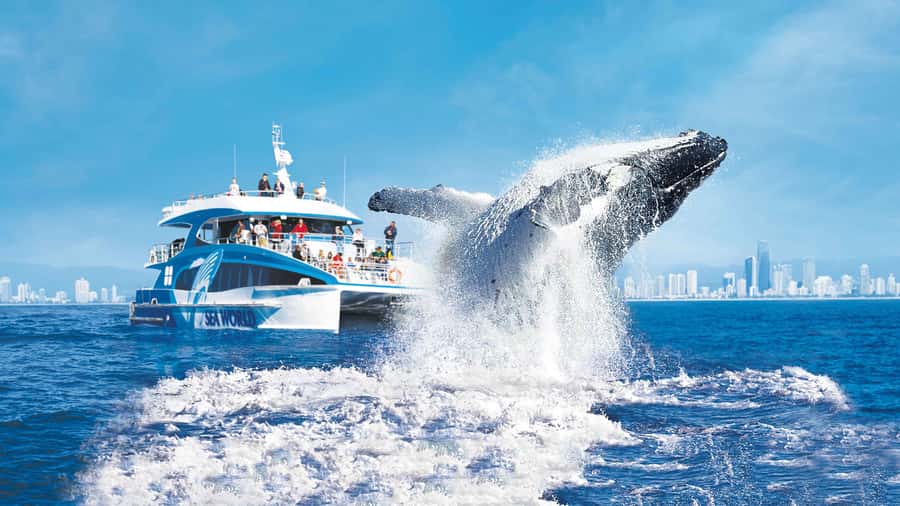
Whale watching can be frustrating if you’re just staring at a horizon. Here, the cruise leans into making the time on the water feel active.
The standout idea is the use of underwater microphones to help you hear whale song during the trip. Humpback vocalizations travel differently than normal sound on the surface, and hearing them changes the whole experience. Instead of only watching for a breach, you can feel like you’re tracking the whales through their underwater world.
There’s also a plan for live underwater video streamed to your phone (listed as coming soon). Even if you never see the video feed, knowing the operator is working toward showing underwater activity tells you the cruise isn’t just “eyes up, hope for the best.” It’s geared toward helping you understand what’s going on below the surface while you’re waiting for a whale to rise.
On top of that, there are audio-visual presentations onboard and guided commentary during the cruise. That combination matters because whales don’t surface on your schedule. When your guides can interpret what you’re seeing—breathing patterns, movement style, and what counts as interesting behavior—it makes the waiting feel productive instead of empty.
I also like that the experience is built around real science-minded interpretation. Some passengers specifically highlighted that researchers can join the trip, including a Griffith University researcher who delivered commentary that stood out. That’s the kind of voice you want when you’re trying to connect what you see with how humpbacks actually behave.
Wildlife beyond humpbacks: dolphins, turtles, and sea birds
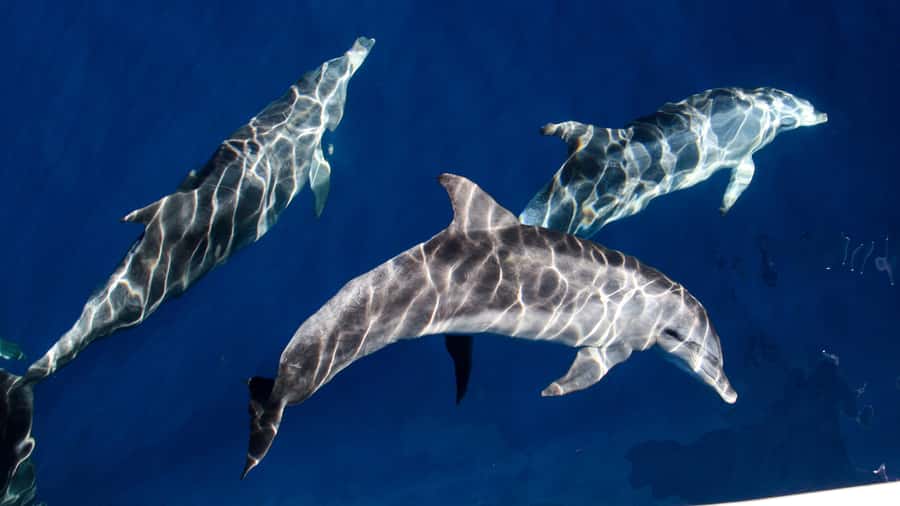
Humpbacks are the headline, but the cruise is designed to give you more than one kind of wildlife moment. The operator’s materials point to seeing three species of dolphins, plus sea turtles and sea birds.
In practice, that means if you’re unlucky with whale behavior on a particular outing, you can still get a satisfying marine-life day. Several passengers described dolphin pods nearby during whale searches. Others mentioned seeing turtles and mixed bird activity around the same general ocean area. Even when the whales are quieter, dolphins often stay more visible and energetic, which can keep your camera busy.
One passenger even shared an outing where a school of whales showed up close together over a short period—about 20 whales appearing within roughly half an hour. That’s exactly the kind of “wildlife timing” moment you hope for: a brief window where many whales share the same area and your boat can track them.
The honest truth: humpbacks are not props, so the exact count and behavior varies. Some departures come with energetic mother-and-calf pairs and repeated breeches close by; others are calmer, with whales staying farther out or only showing occasional tail slaps. If you can accept that variability up front, you’ll enjoy the cruise more.
Captain and guide style: how the commentary improves your sightings
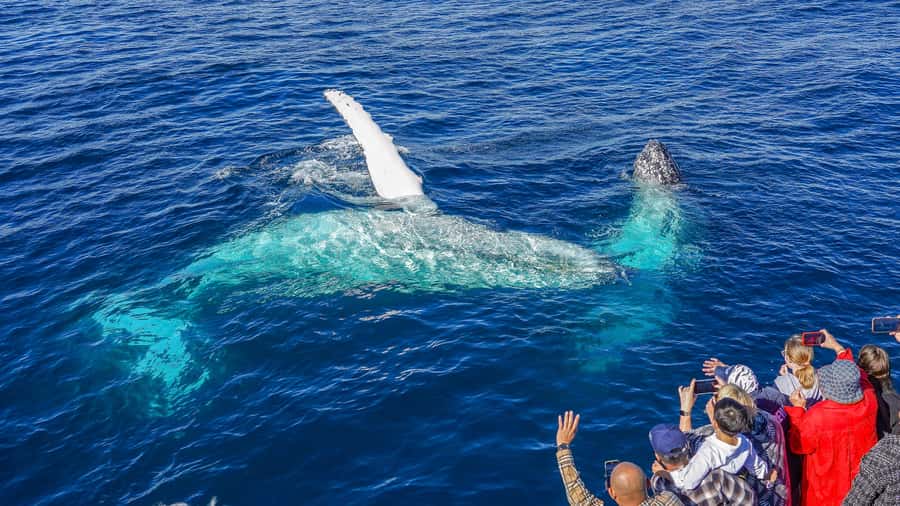
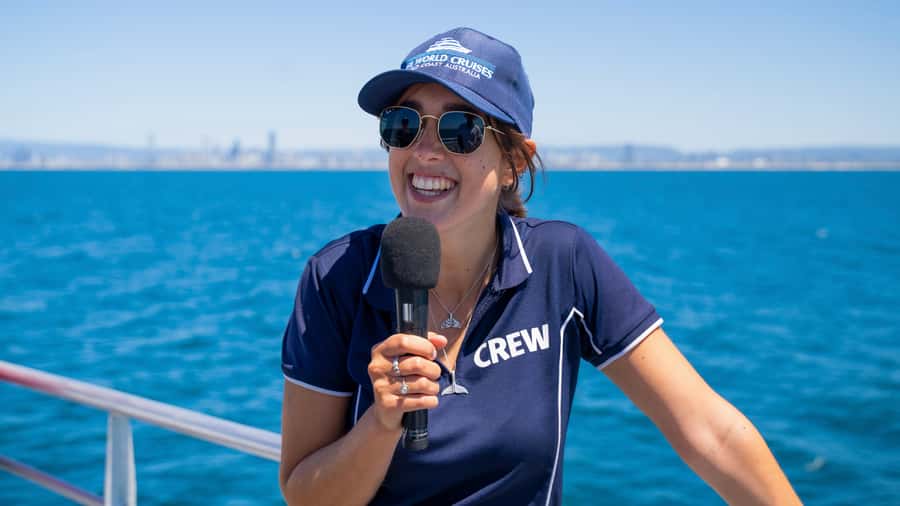
A whale watch lives or dies on the people running it. This operator leans hard on captains and marine naturalist guides who explain what you’re looking at while you’re looking at it.
Passengers repeatedly praised how crew members announced when whales were spotted and where to look. That sounds simple, but it’s a big deal on a busy deck. When you know exactly what direction to scan and what behavior to watch for, you don’t miss the best moments.
The captain name that comes up in multiple reports is Wayno, with one passenger thanking Captain Wayno and crew. Another named Tiana appeared in a thank-you note from a passenger describing a hopo ride before the whale watch. If those names mean nothing to you, that’s fine—what matters is the pattern: people felt supported, informed, and well run.
This is one of those tours where commentary makes the difference between seeing whales and understanding why you’re seeing them. You’re not just catching random blows; you’re learning how humpbacks move through their migration, what other species signal nearby activity, and how “active” versus “quiet” whale behavior can look from the surface.
Comfort tips that will save your cruise day
Let’s talk about the part that can spoil a good whale watch: your body.
First, dress for wind. Even in Queensland, open-water breezes can make you chilly, especially if you’re sitting still looking outward. The standard “what to bring” list includes warm clothing, sunglasses, and a hat, so do that. Comfortable shoes also help, because you’ll likely stand and move around as the crew finds animals.
Second, plan for seasickness. Multiple passengers noted that sea conditions can feel rough once you get out farther, and more than half of the people on one outing got sick and needed sick bags. The practical takeaway is simple: bring anti-nausea pills and take them ahead of time if you’re prone to motion sickness. It’s not dramatic; it’s just smart.
Third, seating can be a mixed bag. One passenger specifically mentioned that seat cushions were uncomfortable. That’s not a universal complaint, but it’s enough that I’d treat it as a suggestion: wear a comfortable layer and consider how you’ll sit for about a couple of hours.
If you want an upgrade that targets comfort, there’s a captain’s lounge option. People described it as adding priority boarding, access to a best viewing spot, and included food or soft drinks/snacks depending on how the upgrade was framed. One passenger encouraged it strongly, especially for mobility needs. Even if you don’t have mobility concerns, it can be a way to reduce deck crowding and get settled quickly once the whales are found.
Value check: $63 and what you’re really paying for
At $63 per person, this whale watch sits in the “serious experience but not crazy money” category for the Gold Coast. The value isn’t only the price tag; it’s the combination of short travel time, experienced crews, and whale-first planning.
The biggest value booster is the 100% whale sighting guarantee. If no whales are spotted, you get a free return cruise. That’s a meaningful safety net for a wildlife activity where you can’t control animal behavior. In other words, the operator isn’t pretending every trip is guaranteed to be a fireworks show—you’re protected against total miss.
You’re also getting more than just the boat ride. The included extras list includes guided commentary, live underwater audio via microphones, audio-visual presentations, informative exhibits and displays at the terminal, and a fully stocked onboard bar. There’s also a professional photographer onboard, which can reduce your hassle if you want whale photos without constantly shooting one-handed.
One passenger raised a valid environmental concern about the photography process. They said hundreds of photos were printed out during the trip, and they suggested asking passengers whether they want them before printing, so unwanted prints don’t end up wasted. That’s not a dealbreaker, but it is a good reminder: if the photo package is a big part of your decision, ask questions early and make your preferences clear.
Who should book this cruise, and who should skip it
This is a great match for anyone who wants a classic humpback encounter without turning the day into a long trip. It’s also a solid choice if you like guidance—because the captain and crew keep you oriented, and announcements help you spot whales faster.
It’s also family-friendly in practice. One passenger said their kids loved it, and multiple reports highlighted an organized, professional crew. That said, it is not suitable for children under 3 years, so plan around the age range.
If you’re mobility-limited, this is at least worth considering because the cruise is wheelchair accessible. Also, the captain’s lounge upgrade has been described as especially helpful for someone with mobility issues due to better viewing and easier boarding.
If you’re sensitive to motion sickness, don’t ignore that. This doesn’t mean you must skip it, but you should treat seasickness prep as part of the day, not an afterthought.
Finally, if you’re the type who needs guaranteed “perfect photos” or guaranteed breaches, adjust your expectations. Wildlife varies by day, and at least one passenger reported only distant tail slaps and fewer whales during the later migration portion. Your goal here is to see humpbacks in their real habitat, not to force the ocean to perform.
Should you book the Gold Coast Premium Whale Watching Cruise?
I’d book it if you’re traveling in whale season and you want a short, well-run outing focused on real humpback behavior. The 100% whale sighting guarantee is the deciding factor for me, because it turns “maybe we’ll see whales” into “you’re covered if we don’t.”
I’d think twice if you hate uncertainty and you need guaranteed close-up breeching every time. Also, if you know you get seasick, go in with a plan: warm layers, motion meds, and a seat strategy (and consider the captain’s lounge if comfort matters most).
Bottom line: at $63, this is strong value for a professionally run whale watch from Main Beach—especially when you’re prepared for the ocean and open to how wild animals actually behave.