REVIEW · PALERMO
Agrigento: Valley of the Temples Premium Guided Tour
Book on GetYourGuide →Operated by Towns of Italy · Bookable on GetYourGuide
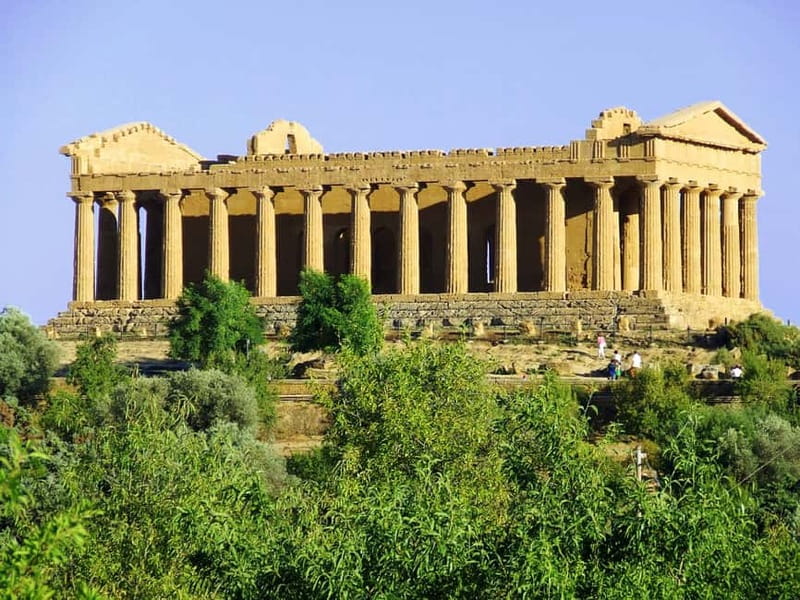
The Temple of Concordia hits you fast. This guided stroll through Agrigento’s UNESCO park brings the ruins to life with a licensed local guide in English or Spanish, plus photo stops that help you see what matters. Expect myths, daily life, and how this “Greek” world took root in Sicily.
I especially love that you’re not just wandering. You get clear storytelling tied to specific spots—like how the Temple of Hera Lacinia (Juno) looks over the valley and once hosted sacred rituals. You’ll also come away with a better sense of why Agrigento mattered in Magna Graecia.
One thing to consider: this walk isn’t set up for wheelchair users or guests with impaired mobility, and the paths are uneven. If your legs or balance are an issue, it’s worth checking alternatives.
In This Review
- Key highlights you’ll feel right away
- Why a guided walk at Valley of the Temples matters
- Starting at Porta di Giunone: where the tour actually begins
- Temple of Hera Lacinia (Juno): the view-first opening
- Temple of Concordia: the best-preserved wow moment
- Temple of Olympian Zeus: the giant-ruins feeling
- How the tour handles myths, daily life, and real Sicilian context
- Timing: getting that golden light people talk about
- Pace, comfort, and what to bring for a 2-hour walk
- Price and value: what $53 buys you
- Who this tour suits best (and who might prefer something else)
- Should you book the Agrigento Valley of the Temples Premium tour?
- FAQ
- Where does the tour start?
- What temples are covered on the tour?
- How long is the guided visit?
- Is the guide available in English and Spanish?
- Does the tour include admission tickets?
- Is transportation to the meeting point included?
- Can I skip the ticket line?
- Is the tour refundable if plans change?
- Is this tour wheelchair-accessible?
- Is there a way to keep payment flexible?
Key highlights you’ll feel right away
- Licensed English or Spanish guide that turns ruins into real stories
- Temple of Concordia as the signature stop for scale and preservation
- Skip-the-ticket-line entry so you spend time walking, not queueing
- Seven Doric temples in view across the park, with the biggest hits explained
- Golden light planning for those classic Sicilian sun-and-shadow temple moments
- Small details beyond stones, like how the site functions as a working area
Why a guided walk at Valley of the Temples matters
The Valley of the Temples is big, and it’s easy to feel like you’re looking at “a bunch of rocks.” With a guide, you start matching each temple to a purpose—worship, politics, trade, and the myths people carried around in their heads. In other words, you don’t just see ruins; you understand why they were built where they were.
I also like that the tour is designed for focus. You get a structured 2-hour circuit with guided segments and photo stops, which is exactly what you want when the site covers more ground than it looks on a map. Guides also tend to answer follow-up questions on history, building methods, and how the park fits into Sicily today.
And yes, the views are the real reward. When the light hits the stone and shadows stretch between columns, the place turns theatrical. A good guide helps you time your photos and notice the details you’d miss on your own.
You can also read our reviews of more tours and experiences in Palermo.

Starting at Porta di Giunone: where the tour actually begins
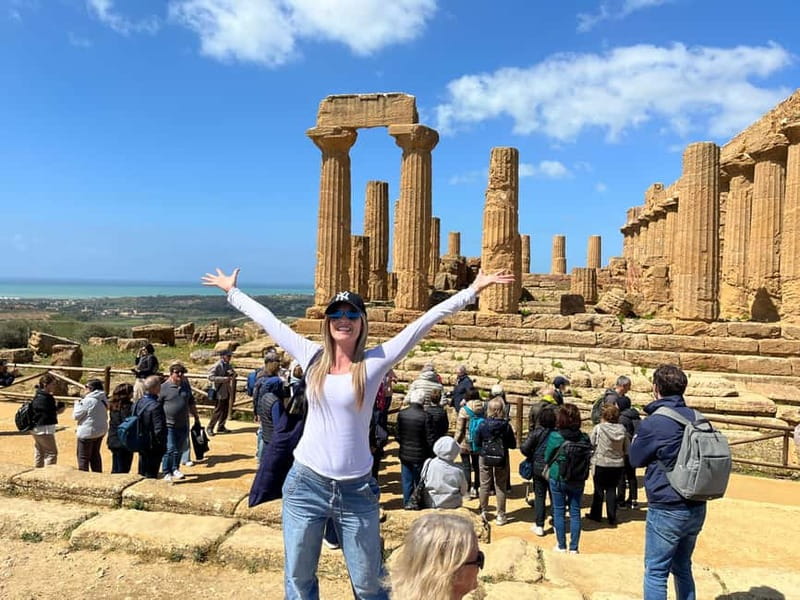
Most tours kick off at the ticket area at Porta di Giunone in the Valle dei Templi area. You’re looking for the guide in front of Porta di Giunone—simple, but do arrive a few minutes early so you don’t start sprinting in Sicilian heat.
This starting point matters because the park can feel confusing if you’re arriving on your own. One review noted there are two entrances and if you end up at the wrong one, you may need a shuttle ride to correct locations. That’s a waste of time and energy, so I’d rather you be the one to pick the correct gate from the start.
Also keep in mind that this is a walking experience. Even though the tour is only 2 hours, you’ll be on temple-site paths that aren’t smooth. Good shoes are not optional here.
Temple of Hera Lacinia (Juno): the view-first opening
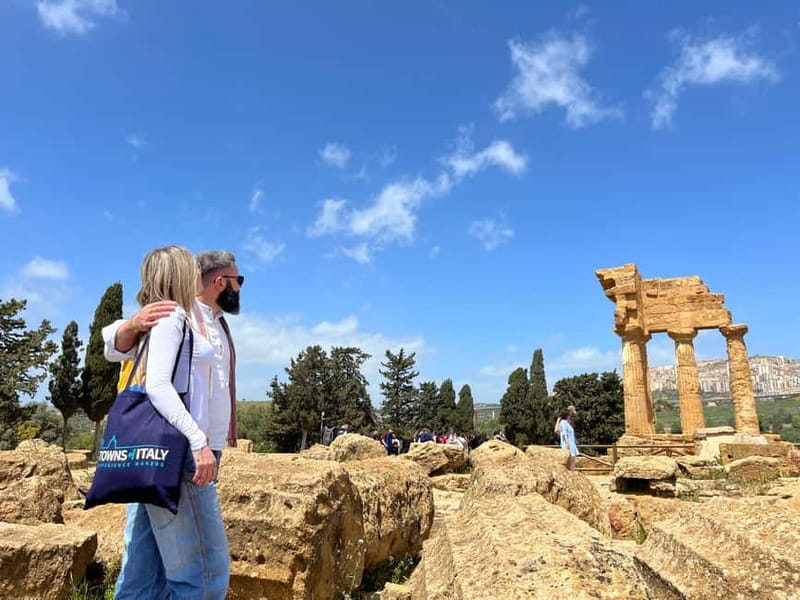
Your first major stop is the Temple of Hera Lacinia. The big draw is the way this site overlooks the valley, which helps you picture how ancient worshippers would have experienced the space—religion in front of a wide, dramatic panorama.
The guide’s role at this stop is to connect the location to meaning. Expect myths and legends tied to the temple’s role, plus context for what made this area important to ancient Agrigento. If you’re curious about how the Greek world blended with Sicily, this is a solid first anchor.
There’s also a practical side: arriving here early (or when the light is still cooperative) helps you get your bearings. I like using the first stop to orient your brain. Then later temples make more sense because you’ve already learned what to look for.
Temple of Concordia: the best-preserved wow moment
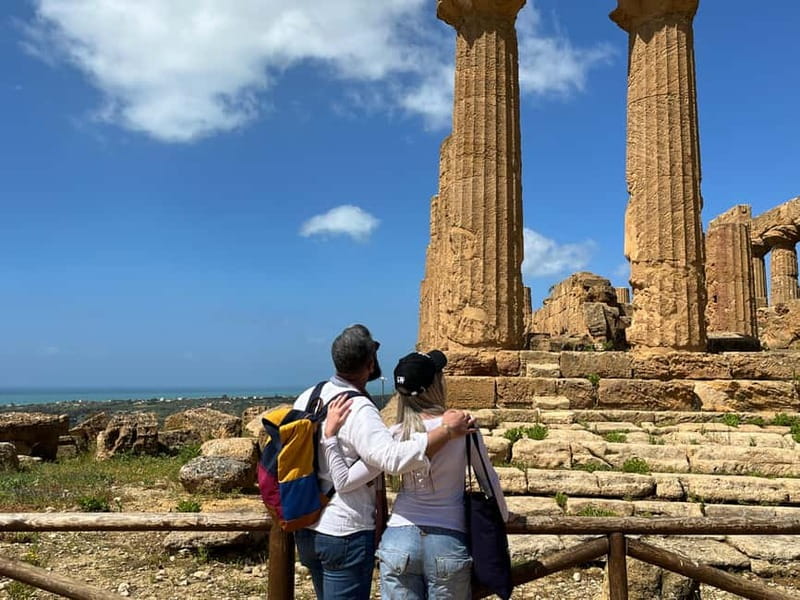
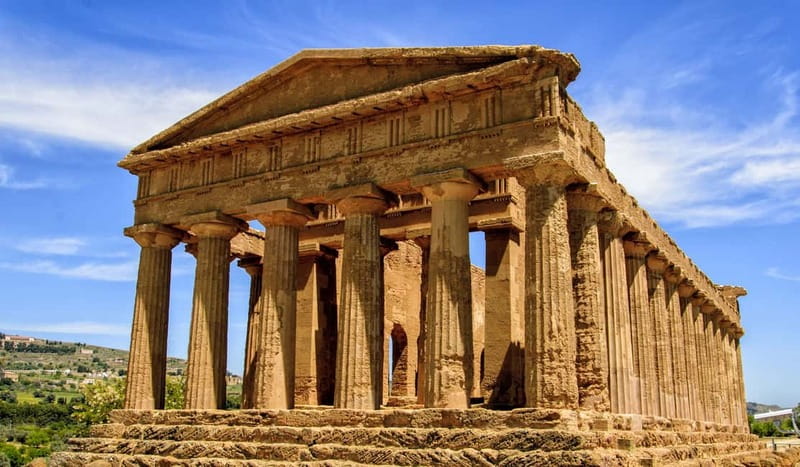
If you only care about one temple, make it this one. The Temple of Concordia is among the best-preserved Greek temples anywhere, and it’s easy to see why. The columns and proportions give you a sense of scale without you needing to imagine everything from scratch.
What makes the guided stop worth it is the explanation of structure and story. A strong guide will point out details you might otherwise gloss over—how the design communicates stability and power, and how the temple fit into daily religious life. Some guides also tie these buildings to the broader life of Agrigento, not just the myth side.
This is also where the photo stops become useful. Guides tend to know the angles that show the most impressive lines, and they’ll help you avoid getting stuck in a bad spot while everyone else lines up. It’s one of those moments where timing can make the difference between a flat picture and a striking one.
Temple of Olympian Zeus: the giant-ruins feeling
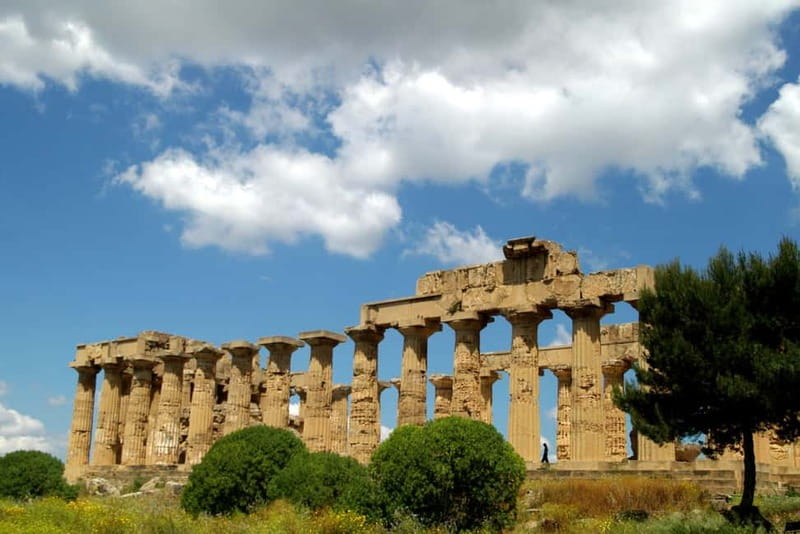
Next up is the monumental ruins of the Temple of Olympian Zeus. Even in partial remains, this temple carries the sense of ambition. It’s the kind of site where you can stand and feel the scale of what once was, then look at what survived and wonder how it all held together for so long.
I like that the guide frames it as more than “big rocks.” You’ll hear why this temple mattered to the people who built it, and how it connects to the larger story of Agrigento as a powerful colony of Magna Graecia. That broader context helps you understand why so much effort went into sacred architecture here, rather than someplace else.
And because the site is open-air, this stop often feels like the best “walk and think” moment. When you’re under the Sicilian sun, there’s something physical about the experience: gravel crunching underfoot, heat on your shoulders, and the way distant shapes of columns shift as you move.
How the tour handles myths, daily life, and real Sicilian context
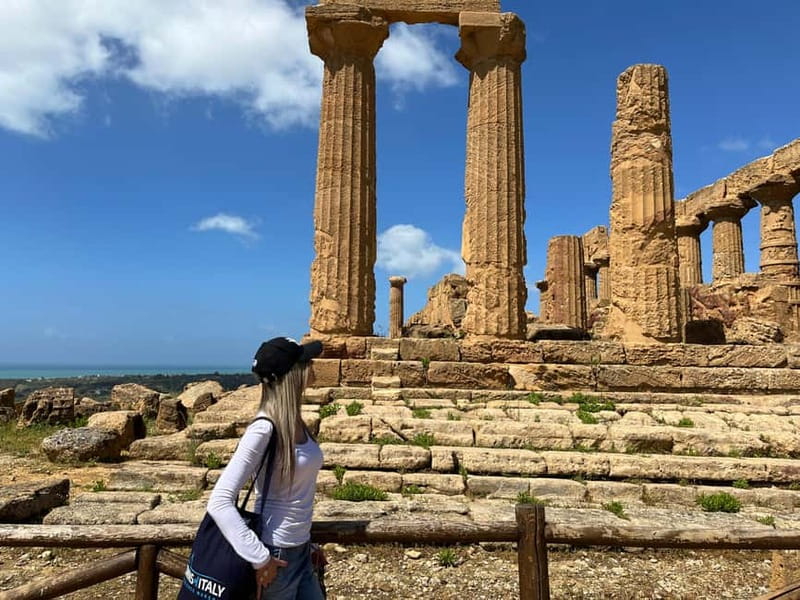
One of the most praised parts of this experience is the storytelling style. Guides often keep it energetic and human—sharing myths and legends while also talking about daily life around the temples. You’re not just hearing dates; you’re building an image of what people here believed and how they lived.
Some guides also connect the past to present details—things like agriculture and how the site operates over time. One review mentioned learning how the park functions like a working place, not a museum island. That matters because it makes the ruins feel located in real life, not floating outside it.
If you’re the type who likes asking questions, this is a good bet. Several guides were praised for answering curveball questions and keeping answers clear. That’s especially helpful if your group includes different interests—architecture, mythology, Roman-era connections, or just how Greeks ended up in Sicily in the first place.
Also, a few participants noted audio support during the tour. I can’t promise every departure uses it the same way, but it’s worth expecting some kind of supplemental explanation that helps you follow along between stops.
Timing: getting that golden light people talk about
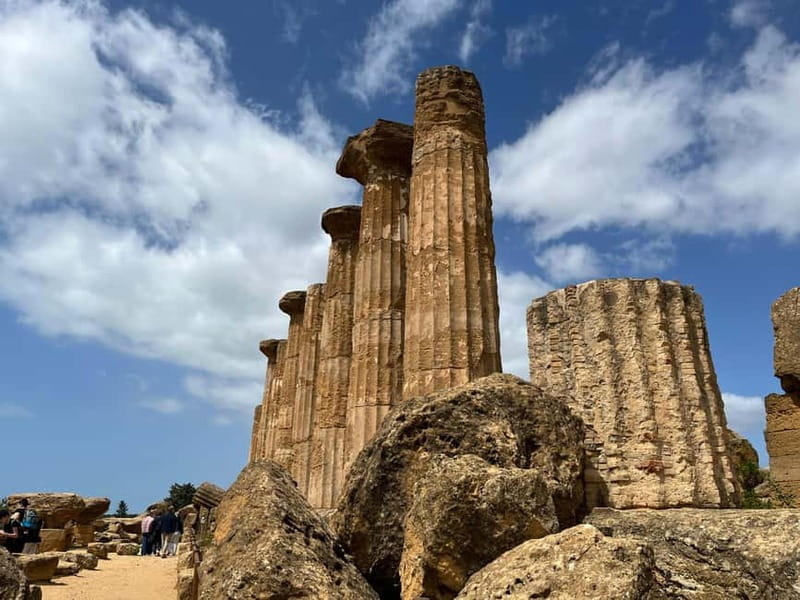
This tour is built around the idea that light changes everything in the Valley of the Temples. Even within a 2-hour window, you’ll see how the stone looks under the Sicilian sun and how shadows can make columns appear sharper or softer.
The “golden glow” isn’t just a marketing line here. The valley is wide and open, so sunlight bounces and shifts as you walk. If you’re traveling in a season with strong afternoon sun, try to schedule your visit so you’re not baking the entire time—your guide will often work with the day’s light so you can enjoy the best views without rushing.
In warmer months, I’d also watch for shade management. One review mentioned a guide finding shaded spots while walking in June heat. That’s another reason a guide helps: they know where pauses and better angles tend to be.
And yes, keep your eyes open beyond temples. One traveler even spotted sheep on the grounds—rare, but it’s a nice reminder that you’re in a lived-in site, not just a set of ancient backdrops.
Pace, comfort, and what to bring for a 2-hour walk
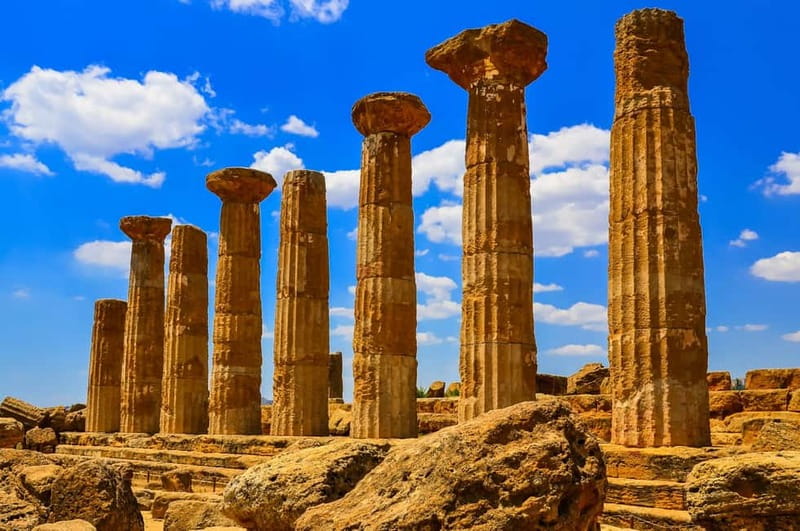
The tour duration is 2 hours, which is a sweet spot. Long enough to cover the key temples with real explanation, short enough that you’re not exhausted before you’ve taken in the big sights.
That said, it’s still a walking tour on uneven ground. Wear shoes with grip. Bring water, especially if you’re visiting during a hot stretch. And if you’re sensitive to sun, add a hat or sunglasses.
If your group includes people who move slowly, don’t count on long rests. The tour includes photo stops and guided segments, so people can catch their breath briefly—but you’re still moving between viewpoints. The structure is part of the value: you get a complete arc of temple highlights in a tight time frame.
Price and value: what $53 buys you
At $53 per person, this is not a budget “see-it-from-the-bus” activity. But it has real value baked in.
First, the price includes entrance tickets and a guided visit of the Agrigento Archeological Park. That matters because park entry alone can add up, and you’re also saving time with skip-the-ticket-line access. Second, you’re paying for interpretation—someone to turn architecture and myth into a clear story you can actually remember.
What you don’t get is transfer to and from the meeting point. So factor in how you’ll reach Porta di Giunone. If you’re already based near the valley, you’re likely to feel this tour’s value more. If you’d have to organize complicated transport, the “cheap at checkout” effect can disappear.
For me, the best argument for the price is the payoff: the guided focus on Temple of Concordia, Temple of Hera Lacinia, and the Olympian Zeus ruins gives you an efficient way to cover the heart of the UNESCO site without turning the day into a self-guided guessing game.
Who this tour suits best (and who might prefer something else)
This guided tour is a great fit if you want the temple experience with context. It’s perfect for first-timers to Agrigento who don’t want to spend their brainpower decoding what they’re looking at. It’s also ideal if you like a little structure—starting at Porta di Giunone, walking a set route, and leaving with a clear sense of what mattered most.
I’d also recommend it if you enjoy question time and conversational answers. Multiple guides were praised for dealing with questions well while keeping a natural pace. Names that came up included guides like Mario, Sergio, Rino, Alessio, Enza, Rossana, Nicole, Benedetto, and Anna—each described as passionate and engaged, which tells you something about how the experience is meant to run.
The main reason to skip it: accessibility limits. It isn’t suitable for wheelchairs or impaired mobility, and the terrain makes that understandable. If mobility is a concern, you may need a different format.
Should you book the Agrigento Valley of the Temples Premium tour?
If you want the Valley of the Temples to make sense—fast—book it. The combination of licensed English/Spanish guidance, skip-the-line entry, and a tight 2-hour route through the park’s most important temple remnants is strong value. It’s one of those few experiences where “guided” isn’t a luxury; it’s the difference between seeing stones and understanding a world.
I’d especially book if you’re short on time in Sicily or if you’re traveling with people who like clear explanations. The tour’s structure helps you cover the key stops (Hera Lacinia, Concordia, Olympian Zeus) without wandering.
Skip it if you’re determined to go fully independent and you don’t want to pay for interpretation. Also skip if uneven paths are an issue for you or your group. In those cases, you’ll be happier with a different plan that matches your comfort level.
If you’re on the fence, here’s the simple rule I use: if you want the ruins to feel alive in your head afterward, this guided walk is the right choice.
FAQ
Where does the tour start?
The meeting point is Porta di Giunone, Valle dei Templi. Look for the tour guide in front of Porta di Giunone.
What temples are covered on the tour?
The tour includes stops at Temple of Hera Lacinia, Temple of Concordia, and the Temple of Olympian Zeus. The tour also follows the remains of multiple Doric temples within the park.
How long is the guided visit?
The duration is 2 hours.
Is the guide available in English and Spanish?
Yes. The guide speaks either English or Spanish.
Does the tour include admission tickets?
Yes. Entrance tickets and a guided visit of the Agrigento Archeological Park are included.
Is transportation to the meeting point included?
No. Transfer to and from the meeting point is not included.
Can I skip the ticket line?
Yes, skip-the-ticket-line entry is included.
Is the tour refundable if plans change?
Yes, there is free cancellation up to 24 hours in advance for a full refund.
Is this tour wheelchair-accessible?
No. It is not suitable for wheelchair users or guests with impaired mobility.
Is there a way to keep payment flexible?
Yes. The activity offers reserve now & pay later, so you can book and pay nothing today.